
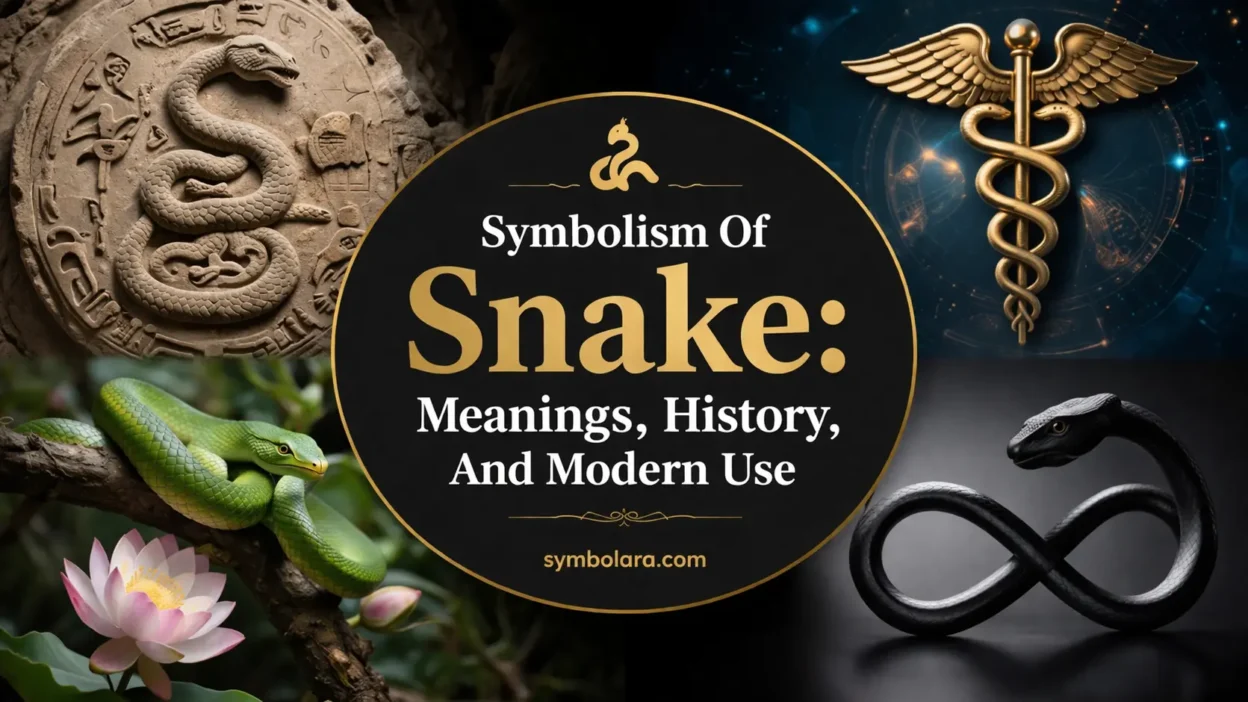
The Symbolism Of Snake represents one of the most complex and widely recognized animal symbols in human culture. In modern American life, snakes are often associated with transformation, healing, danger, wisdom, and renewal. Their meaning depends heavily on context, because the same creature can represent protection and medicine in one setting while representing fear or betrayal in another.
Snakes appear in mythology, religious traditions, artwork, tattoos, fashion, and popular culture. Their ability to shed their skin, move between hidden and visible spaces, and survive in different environments has shaped many interpretations over time.
For Americans today, snake symbolism often reflects personal change, resilience, independence, or curiosity about nature. At the same time, many people still connect snakes with caution and uncertainty because of their association with venom, secrecy, and survival instincts.
Understanding snake symbolism requires looking beyond a single meaning. The symbol carries layers built from biology, cultural traditions, personal experiences, and changing social attitudes.
Quick Answer
Snake symbolism commonly represents transformation, healing, and renewal in modern American culture, especially through ideas like personal growth and change. Historically, snakes have also symbolized wisdom, protection, fertility, danger, and spiritual power across different cultures.
TL;DR
- Snakes symbolize transformation through skin shedding.
- Ancient cultures connected snakes with healing and wisdom.
- Americans often view snakes as change symbols.
- Snake tattoos represent identity and personal growth.
- Religious traditions give snakes different meanings.
- Snake symbols can represent danger or protection.
What the Snake Symbol Looks Like and Why It Matters
A snake is a long-bodied reptile with no legs, covered in scales, and known for its flexible movement. Many species use camouflage, venom, or defensive behaviors to survive, which has influenced how humans interpret them.
Unlike many animals, snakes often create mixed reactions. Some people admire their elegance and adaptability, while others fear them because certain species can be dangerous. This emotional contrast explains why snakes became symbols of both positive and negative ideas.
The snake’s unique physical traits have played a major role in shaping its symbolism across cultures. Its ability to shed old skin became a powerful symbol of transformation, renewal, and rebirth. Moving silently through grass, soil, and water, the snake developed associations with mystery, hidden knowledge, and the unseen forces of nature. Its defensive behavior and survival abilities further connected it with ideas of protection, strength, and personal power.
Because snakes exist in many parts of the world, they became important symbols in societies that had direct experiences with these animals. Their meanings developed from observation rather than from one universal interpretation.
What Snake Symbolism Commonly Means in the United States
In the United States, snakes carry several common symbolic meanings. The interpretation usually depends on where the symbol appears and what message the creator wants to express.
| Context | Meaning in the USA | Common Associations | Notes |
| Personal growth | Change and renewal | New beginnings, transformation | Often linked to shedding skin |
| Medicine | Healing and knowledge | Healthcare, science | Connected to the Rod of Asclepius tradition |
| Tattoos | Identity and strength | Resilience, independence | Meaning varies by individual |
| Religion | Moral lessons or temptation | Faith, choices | Depends on tradition |
| Nature imagery | Survival and adaptation | Balance, wilderness | Highlights animal behavior |
Many Americans encounter snake imagery through medical symbols, especially the serpent-related symbols used in healthcare. The snake can represent healing because ancient traditions connected it with medicine and restoration.
In personal expression, snakes frequently appear in tattoos and artwork. People may choose snake designs to represent overcoming hardship, personal evolution, confidence, or a connection with nature.
However, snakes also maintain a strong association with danger. Expressions like “snake in the grass” show how American language often uses snakes as symbols of deception or hidden threats.
Transformation and Renewal: The Meaning of Shedding Skin
One of the strongest symbolic connections of the snake comes from its ability to shed its outer layer of skin. This natural process made snakes a common symbol of renewal and transformation.
Although shedding does not make a snake a completely new creature, humans historically interpreted the process as a visual example of leaving behind an old state and moving into a new one.
Today, many people use snake imagery to represent:
- recovering after difficult experiences
- changing personal identity
- starting a new chapter
- letting go of past struggles
- adapting to life changes
This meaning appears frequently in tattoo culture. Someone who chooses a snake design may be expressing survival, growth, or the idea that personal change is part of life.
The transformation meaning is especially common in modern American design because it connects with broader ideas of self-improvement and personal reinvention.
Ancient Roots and Early Snake Symbolism
Snake symbolism developed thousands of years ago in different regions, and its meanings were not always negative. Many ancient societies viewed snakes as powerful creatures connected with life, protection, fertility, and knowledge.
In ancient Egypt, snakes appeared in royal and religious imagery. The cobra symbol was connected with protection and authority, especially when shown on royal crowns.
In ancient Greek traditions, snakes were associated with healing and medicine. The serpent connected with Asclepius became a lasting medical symbol because of its connection to healing practices.
In other cultures, snakes represented fertility because of their connection with the earth and cycles of nature. Their movement between underground spaces and the surface contributed to associations with hidden knowledge and the mysteries of life.
These early meanings show that snakes were not viewed in one simple way. They represented both danger and protection depending on the society and situation.
Snake Symbolism in Native American Traditions
Native American views of snakes vary widely because Indigenous nations have distinct histories, beliefs, and cultural systems. There is no single Native American interpretation of the snake.
In some traditions, snakes are connected with natural forces, fertility, renewal, or spiritual relationships with the environment. Certain ceremonial practices have included snake imagery because of its connection with rain, earth, and cycles of nature.
At the same time, meanings differ between communities. A respectful understanding requires avoiding the assumption that all Indigenous cultures share identical beliefs about snakes.
Modern discussions of snake symbolism often recognize these traditions as examples of how animals can represent relationships between humans, nature, and the unseen aspects of existence.
Religious Meanings of the Snake Symbol
Snake symbolism plays an important role in several religious traditions, but its meaning changes depending on the belief system.
In Christianity, the snake is often associated with temptation because of the story of the serpent in the Book of Genesis. This connection influenced many Western interpretations of snakes as symbols of deception or moral challenges.
However, Christian symbolism is not limited to negative interpretations. The serpent also appears in discussions of healing and wisdom, showing that meanings can shift depending on the specific passage or tradition.
In Hindu traditions, snakes can represent spiritual energy, protection, and divine connection. The serpent figure appears in various religious stories and artistic representations.
These different interpretations demonstrate that the snake is a symbol shaped by cultural context rather than a fixed message.
Snake Symbolism in Mythology and Folklore
Beyond formal religious traditions, snakes have played major roles in myths and folklore around the world. Their unusual movement, hidden habitats, and ability to survive in harsh environments made them natural subjects for stories about creation, danger, wisdom, and transformation.
In many myths, snakes appear as guardians of knowledge or protectors of important places. Some stories present them as creatures connected with the earth because they move close to the ground and often live in underground spaces.
Greek mythology includes several snake-related figures and stories. The creature Medusa, whose hair was made of snakes, became associated with fear, protection, and the power to turn enemies away. In other Greek traditions, snakes appeared as symbols connected with healing and renewal.
Norse mythology also included serpent imagery. The Midgard Serpent, known as Jörmungandr, represented a powerful force connected with the natural order and the boundaries of the world.
These examples show that folklore rarely treats snakes as simply good or evil. Instead, snakes often represent forces that humans both respect and fear.
Snake Symbolism in Different Cultures Around the World
Snake symbolism appears in cultures around the world, and different societies have developed unique interpretations based on their environment, beliefs, and experiences with these animals.
In Chinese culture, snakes are often connected with intelligence, mystery, and transformation. The snake is also one of the animals represented in the Chinese zodiac, where it is associated with qualities such as wisdom, intuition, and strategic thinking.
In African traditions, snakes have appeared in many stories and spiritual beliefs. Some cultures connect serpents with ancestors, fertility, water, and the relationship between humans and natural forces.
In Mesoamerican civilizations, serpent imagery held important religious and cultural meanings. The feathered serpent figure, known as Quetzalcoatl in Aztec tradition, was associated with knowledge, creation, wind, and civilization.
In Australian Aboriginal cultures, the Rainbow Serpent is one of the most significant symbolic figures in many traditions. It is often connected with creation stories, water, fertility, and the power of nature.
These examples show that snake symbolism is not limited to fear or danger. Across the world, snakes have represented life, wisdom, protection, transformation, and the powerful forces of nature.
The Psychological Meaning Behind Snake Imagery
Snake symbolism often connects with basic human emotions because snakes naturally create strong reactions. Some people feel curiosity and admiration when seeing snakes, while others experience fear because certain species can threaten human safety.
Psychologically, snake imagery can represent hidden fears, personal challenges, or parts of life that require attention. A snake appearing in art, dreams, or personal symbols may reflect themes of change, caution, or adaptation depending on the individual’s experience.
The snake’s ability to move quietly and remain unnoticed has also contributed to associations with the unknown. This does not mean snakes always represent something negative. Instead, they often symbolize situations where awareness, patience, and careful observation are important.
In modern American culture, people frequently use snake imagery to communicate strength during difficult transitions. A person may choose a snake symbol after overcoming hardship because the animal represents survival and adjustment.
Snake Symbolism in Dreams: Meaning and Interpretations
Dreams about snakes are among the most common animal-related dreams, and their meaning can vary depending on the dreamer’s emotions, experiences, and cultural background. A snake in a dream does not have one universal interpretation, but it often connects with themes of change, hidden emotions, personal challenges, and awareness.
A snake appearing peacefully in a dream may represent personal growth, healing, or a period of transformation. Because snakes shed their skin, many people interpret snake dreams as symbols of leaving behind an old situation and entering a new stage of life.
A threatening or aggressive snake dream may reflect feelings of fear, stress, uncertainty, or a situation that requires caution. The snake may symbolize something the dreamer feels they need to confront rather than an actual warning.
Common snake dream interpretations include:
- Seeing a snake shed its skin: A symbol of renewal, personal change, or emotional growth.
- Being chased by a snake: May represent avoiding a difficult situation or unresolved fear.
- A snake biting you: Often interpreted as a sign of conflict, sudden change, or the need for awareness.
- A calm snake: Can represent wisdom, patience, protection, or inner strength.
- Many snakes appearing: May symbolize overwhelming emotions, multiple challenges, or major life transitions.
Modern psychological interpretations often focus less on predicting the future and more on understanding personal emotions. The meaning of a snake dream depends on the dreamer’s life situation, feelings during the dream, and personal relationship with snakes.
Snake Tattoos and Personal Identity
Snake tattoos are among the most recognizable forms of animal symbolism in modern body art. Their meaning varies from person to person, but many designs connect with themes of transformation, independence, and resilience.
Common interpretations of snake tattoos include:
- personal growth after a major life change
- protection against challenges
- confidence and independence
- connection with nature
- acceptance of personal evolution
Different styles can change the message. A snake wrapped around a flower may combine ideas of beauty, balance, and transformation. A snake paired with a skull may emphasize mortality, survival, or overcoming fear. A coiled snake may suggest protection or readiness.
In American tattoo culture, snakes are popular because they are visually adaptable. Their curved shape works well with many body placements and artistic styles, allowing people to create designs with personal meaning.
However, a snake tattoo does not automatically represent a specific belief or personality trait. Its meaning depends on the wearer’s intention, background, and design choices.
Snake Symbolism in Medicine and Healing
One of the most positive uses of snake imagery appears in medicine. The connection between snakes and healing comes from ancient traditions where serpents were linked with restoration and medical knowledge.
The medical symbol featuring a serpent and staff is still recognized in many parts of the world. In the United States, serpent imagery appears in healthcare settings because of this historical connection.
The association between snakes and healing may seem surprising because some snakes are dangerous. However, ancient observers often saw the snake’s ability to shed skin as a sign of renewal and its connection with the earth as a symbol of life cycles.
Today, snake-related medical symbolism represents ideas such as:
- healthcare
- recovery
- knowledge
- scientific practice
- restoration
This is one example of how the same symbol can hold different meanings. A snake may represent danger in one context and healing in another.
Positive and Negative Interpretations of Snake Symbolism
Snake symbolism is unusual because it contains both positive and negative meanings. Few symbols have such a strong contrast between protection and threat.
Positive interpretations often include:
- transformation
- wisdom
- healing
- protection
- adaptability
- survival
Negative interpretations may include:
- deception
- betrayal
- hidden danger
- fear
- temptation
In American language, negative snake references remain common. Calling someone a “snake” usually suggests dishonesty or betrayal. The phrase “snake in the grass” describes a hidden threat or an untrustworthy person.
At the same time, many modern uses focus on positive meanings. Artists, designers, and individuals often choose snake imagery to represent growth rather than danger.
The meaning depends on the surrounding message. A snake in a medical logo communicates healing, while a snake in a warning sign communicates caution.
Snake Symbolism in Fashion, Art, and Home Design
Snake imagery has remained popular in fashion and visual design because of its distinctive appearance. The shape, texture, and movement of snakes create strong artistic possibilities.
In fashion, snake patterns and jewelry designs are often associated with elegance, confidence, and individuality. Snake-inspired accessories may symbolize bold style or a connection with natural forms.
In home decor, snake imagery appears less commonly than floral or bird symbols, but it is sometimes used in artistic spaces to represent transformation, curiosity, or connection with nature.
Artists often use snakes because the symbol allows multiple interpretations. A painting of a snake may explore themes of danger, beauty, change, or the relationship between humans and the natural world.
Modern digital culture has also expanded snake imagery through emojis, illustrations, games, and online communities. The symbol continues to change as new generations give it fresh meanings.
Snake Symbolism in Jewelry and Accessories
Snake designs have been a timeless choice in jewelry and fashion, valued for their striking appearance and rich symbolism. From snake rings and necklaces to bracelets and charms, these pieces often represent transformation, renewal, protection, wisdom, eternity, and personal power. Across different cultures, snake jewelry has been worn as a meaningful expression of change, resilience, and connection to life’s cycles, while also serving as a bold symbol of mystery and elegance.
The snake became especially popular in jewelry design during different historical periods because its curved shape allowed artists to create detailed and flexible designs. A snake wrapped around a piece of jewelry may symbolize continuity, cycles of life, or lasting connection.
In modern American fashion, snake jewelry is often chosen for both aesthetic and symbolic reasons. Some people wear snake designs to express confidence, independence, and personal growth, while others simply appreciate the animal’s unique appearance.
Common meanings associated with snake jewelry include:
- transformation after major life changes
- protection and personal power
- wisdom and intuition
- connection with nature
- rebirth and renewal
Like other forms of symbolism, the meaning depends on the person wearing it and the intention behind the design.
Colors and Their Influence on Snake Meanings
The color of a snake image can affect how people interpret its symbolism. Color associations are not universal, but certain patterns appear frequently in American design and popular culture.
| Snake Color | Common Interpretation | Emotional Association |
| Green snake | Nature, growth, renewal | Balance and life |
| Black snake | Mystery, protection, danger | Strength and caution |
| White snake | Purity, transformation | Change and clarity |
| Red snake | Passion, intensity, warning | Energy and emotion |
| Gold snake | Wealth, wisdom, status | Achievement and value |
These meanings come from broader color symbolism rather than from snakes alone. A green snake may suggest nature because green is commonly associated with plants and growth.
Designers often combine snake colors with other symbols to create a specific message. For example, a white snake with flowers may suggest renewal, while a dark snake with sharp imagery may create a more threatening appearance.
Common Misunderstandings About Snake Symbolism
Many people assume snakes have one universal meaning, but this is inaccurate. Snake symbolism changes across cultures, religions, and personal experiences.
A common misunderstanding is that snakes are always negative because of their connection with fear and danger. While some traditions view snakes as symbols of temptation or deception, many others associate them with healing, wisdom, and protection.
Another misconception is that every snake symbol has a spiritual meaning. Sometimes people use snake imagery simply because they appreciate the animal’s appearance, behavior, or artistic value.
It is also important to avoid judging people based only on snake imagery. A snake tattoo, logo, or design does not automatically reveal someone’s beliefs or character.
Understanding context is the key to interpreting the symbol accurately.
How Snake Symbolism Continues to Change Today
Snake symbolism continues to evolve because societies constantly create new meanings around familiar images. Modern Americans often combine traditional interpretations with personal experiences.
Today, snakes appear in:
- tattoo designs
- jewelry
- movies and television
- video games
- fashion collections
- wildlife education
- personal artwork
Environmental awareness has also influenced how some people view snakes. Instead of focusing only on fear, many wildlife organizations highlight snakes as important parts of ecosystems.
The modern view of snakes is becoming more balanced. While caution remains important around dangerous species, many people now appreciate snakes as fascinating animals connected with adaptation and natural balance.
This changing perspective shows that symbols are not fixed. Their meanings develop as people’s relationships with the natural world change.
Snake Symbolism in Environmental Awareness and Nature
Modern views of snakes are increasingly influenced by wildlife education and environmental awareness. While snakes have traditionally been associated with fear, many conservation efforts highlight their important role in maintaining healthy ecosystems.
Snakes help control populations of rodents and other animals, making them valuable parts of many natural environments. Their role in nature has encouraged a more balanced understanding of these reptiles.
For many people today, snake symbolism represents adaptation, survival, and ecological balance. Instead of viewing snakes only as dangerous creatures, modern perspectives often recognize them as important examples of resilience and connection within the natural world.
This shift reflects a broader cultural change: symbols evolve as people gain new knowledge and develop different relationships with nature.
FAQs
Snake symbolism commonly represents transformation, healing, wisdom, and renewal. In modern American culture, many people associate snakes with personal growth because the animal sheds its skin and adapts to changing environments. However, snakes can also represent caution, danger, or deception depending on the cultural or personal context.
A snake tattoo can symbolize personal transformation, resilience, independence, protection, or overcoming challenges. The meaning often depends on the design, such as whether the snake appears with flowers, skulls, geometric patterns, or other symbols. For many people, a snake tattoo represents a personal experience rather than a universal meaning.
Snakes can represent both positive and negative ideas. Positive meanings include healing, wisdom, renewal, and protection, while negative interpretations include betrayal, temptation, and hidden danger. The meaning depends on the culture, religion, artwork, and situation where the snake appears.
In Christianity, snakes are often connected with temptation because of the serpent in the story of Adam and Eve. However, snake imagery also appears in discussions of healing and wisdom, showing that Christian interpretations are not limited to one meaning. The symbol can represent moral choices, caution, or spiritual lessons depending on the context.
Snakes became connected with medicine because ancient traditions linked serpent imagery with healing and restoration. The association continues today through medical symbols featuring serpents, which represent healthcare, knowledge, and the practice of medicine.
Spiritual interpretations of snakes vary widely. Some traditions view snakes as symbols of transformation, spiritual growth, protection, or life cycles, while others associate them with temptation or challenges. The meaning depends on the specific belief system and cultural background.
Conclusion
Snake symbolism reflects a wide range of human ideas, from transformation and healing to danger and caution. The animal’s ability to shed its skin, survive in different environments, and inspire strong emotions has shaped how people understand it across cultures.
In the United States, Symbolism Of Snake is often connected with personal growth, resilience, medicine, and identity, especially in tattoos, artwork, and modern design. At the same time, traditional associations with fear and deception remain part of the symbol’s cultural history.
A snake does not carry one fixed meaning. Its interpretation depends on the setting, the culture, and the message a person wants to communicate. That flexibility is what allows snake imagery to remain meaningful in both traditional and modern life.