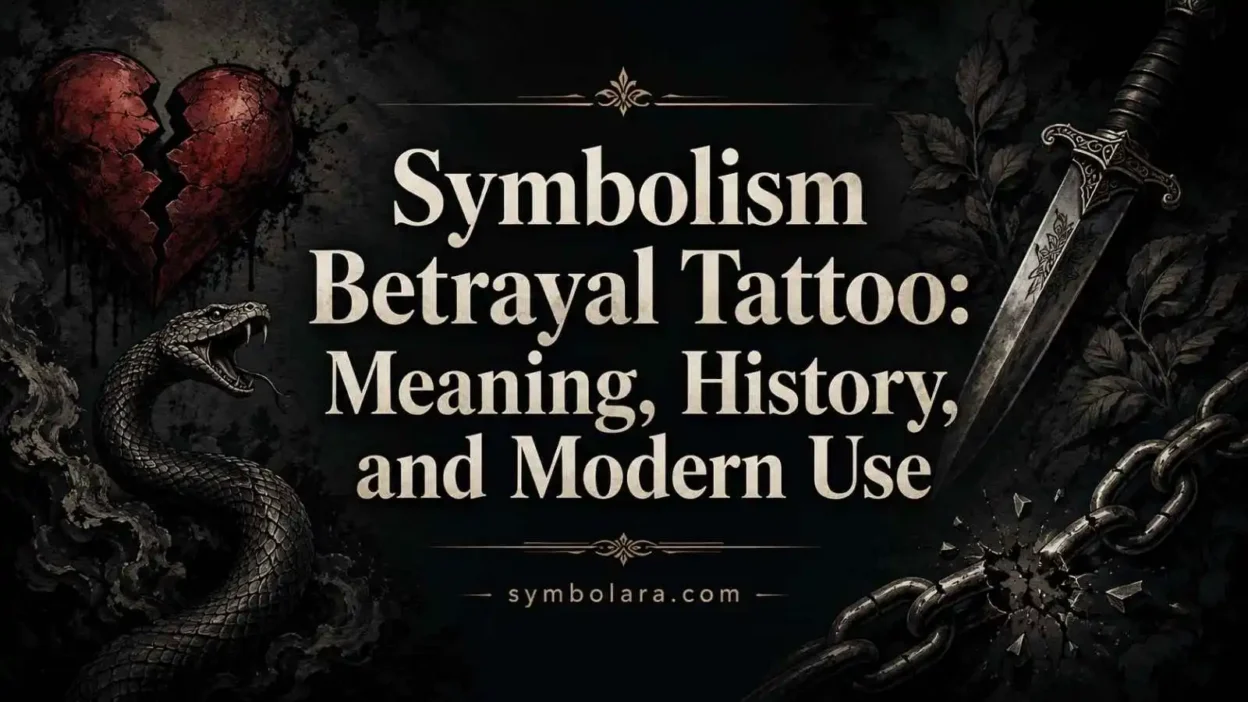
A Symbolism Betrayal Tattoo is not one fixed design. It usually refers to body art that represents broken trust, emotional pain, disloyalty, heartbreak, or survival after being hurt by someone close.
People care about betrayal tattoos because betrayal is rarely a simple emotion. It can involve grief, anger, shock, shame, and the difficult work of rebuilding trust in oneself. A tattoo can turn that private experience into a chosen image instead of an invisible wound.
In modern American culture, betrayal tattoos are often personal rather than public declarations. Some people choose bold images that show pain openly, while others prefer subtle symbols that only they fully understand.
Quick Answer
In modern American tattoo culture, Symbolism Betrayal Tattoo commonly symbolizes broken trust, emotional injury, and the decision to remember a wound without letting it define the wearer. Historically, betrayal imagery draws from older stories of treachery, including Judas’s kiss, Caesar and Brutus, snakes, blades, and pierced hearts.
TL;DR
- Betrayal tattoos usually represent broken trust.
- Daggers and hearts often signal emotional wounds.
- Snakes can suggest deception or hidden danger.
- Many designs also show survival after betrayal.
- In the U.S., meanings are highly personal.
- Religious and historical references need care.
What a Betrayal Tattoo Usually Looks Like
A betrayal tattoo can be dramatic, minimal, realistic, symbolic, or text-based. The most common designs include a dagger through a heart, a broken heart, a snake, a crying eye, a cracked mask, a black rose, a thorned vine, or a short phrase about trust.
Some designs show the moment of harm. A blade piercing a heart, for example, makes the emotional injury visible. Other designs focus on what comes after the harm. A healed scar, a phoenix, or a closed eye may suggest recovery, boundaries, or refusal to be fooled again.
People often place betrayal tattoos on the forearm, chest, ribs, back, shoulder, or wrist. Visible placements can suggest openness about the experience. Hidden placements may make the tattoo feel more private, like a reminder carried only for the wearer.
Betrayal Tattoo Ideas Based on Different Life Experiences
A betrayal tattoo often becomes more meaningful when it connects to the specific experience behind it. The same symbol can tell different stories depending on whether the pain came from romance, friendship, family, or personal disappointment.
Common interpretations include:
- Relationship betrayal tattoos: Broken hearts, wilted roses, or daggers may represent lost love, heartbreak, or the end of a relationship that once felt secure.
- Friendship betrayal tattoos: Masks, two-faced designs, or cracked symbols often represent discovering hidden intentions or false loyalty.
- Family betrayal tattoos: These designs are usually more personal and may focus on boundaries, emotional survival, or rebuilding identity.
- Self-growth betrayal tattoos: Phoenixes, healed scars, or flowers growing through cracks often represent recovery after a painful experience.
Many people avoid making their tattoo only about the person who hurt them. Instead, they choose symbols that represent what they learned, how they changed, and the strength they developed afterward.
What It Commonly Means in the United States
In the United States, betrayal tattoos most often symbolize broken trust in a relationship, friendship, family bond, or close alliance. The focus is usually emotional rather than literal. A person may not be accusing someone publicly; they may be marking a lesson they never want to forget.
The meaning often depends on tone. A dagger through a heart can show heartbreak. A snake wrapped around flowers can suggest beauty mixed with danger. A cracked crown may represent betrayal by someone once respected. A mask can point to deception, false friendship, or hidden motives.
For many Americans, the tattoo is less about revenge and more about self-definition. It says, “This happened, it changed me, and I choose what it means now.”
Why Betrayal Becomes a Tattoo Symbol
Betrayal is difficult to express because it involves both memory and disbelief. People often replay what happened, searching for signs they missed. A tattoo gives that confusion a shape.
The permanence of tattooing matters here. A betrayal tattoo can become a boundary marker: a reminder to trust carefully, listen to instincts, and not ignore patterns. It can also become a symbol of emotional survival, especially when the wearer chooses an image that shows endurance rather than only injury.
This is why betrayal tattoos are often chosen after a major life change. They may follow a breakup, divorce, friendship loss, family conflict, business betrayal, or a period of emotional manipulation.
Historical Roots of Betrayal Imagery
Betrayal has long been shown through images of kisses, blades, serpents, masks, coins, and wounded hearts. These symbols appear because betrayal usually involves closeness first. The person who betrays is often someone trusted.
In Western religious art, Judas’s kiss became one of the clearest images of betrayal because it turns an affectionate gesture into an act of exposure. In Roman and literary tradition, Caesar’s assassination became linked with political betrayal, especially because Brutus was remembered as someone close enough to make the act feel personal.
Tattoo culture did not invent these images. It borrowed from older visual languages and adapted them to the body. A modern betrayal tattoo may not directly reference Judas or Caesar, but it often uses the same symbolic structure: trust, closeness, injury, and recognition.
Betrayal Tattoo Symbolism in Literature, Movies, and Popular Culture
Betrayal symbolism appears throughout literature, movies, and popular culture because betrayal creates powerful stories about trust, loyalty, and human choices.
Common examples include:
- The serpent: Often used in stories to represent temptation, deception, or hidden motives.
- The false friend: A recurring theme where someone close becomes the source of conflict.
- The broken promise: A symbol of trust that was damaged by someone’s actions.
- The hidden face or mask: A visual way to show the difference between appearance and reality.
Modern tattoo designs often borrow from these storytelling traditions. A person may choose a symbol because it connects to a character, story, song, or personal moment that helped them understand their own experience.
The Dagger and Pierced Heart
The dagger through the heart is one of the clearest betrayal tattoo designs. The heart represents love, trust, loyalty, or emotional openness. The dagger represents harm that comes sharply and deliberately.
This design is often used for romantic betrayal, but it can also apply to friendship or family wounds. The image works because it shows two ideas at once: the heart was open, and something entered that should not have.
In American tattoo style, this design can appear in traditional bold-line work, fine-line black ink, neo-traditional color, or realistic shading. A red heart with a silver blade feels direct and classic. A black anatomical heart with a dagger may feel darker and more private.
Snakes, Deception, and Hidden Danger
Snakes are often used in betrayal tattoos because they can represent deception, temptation, hidden danger, or someone who moves quietly before striking. In many Western interpretations, the snake is linked with false promises and moral testing.
Still, the snake is not only negative. Across cultures, snakes can also suggest healing, renewal, wisdom, transformation, and rebirth. This makes the snake useful for betrayal tattoos because the wearer can show both the harm and the growth that followed.
A snake wrapped around a rose may suggest betrayal disguised as affection. When the snake is shown shedding its skin, the meaning can shift toward recovery, growth, and starting over. Placing a snake near a dagger makes the design feel more confrontational, while a small snake behind the ear or on the wrist creates a subtler, more private message.
Masks, Faces, and False Friendship
Masks are another strong betrayal symbol because they point to hidden identity. A mask tattoo can represent someone pretending to be loyal, kind, loving, or honest while hiding another motive.
In modern American designs, masks often appear as cracked theater masks, split faces, smiling masks with sad eyes, or two-faced portraits. These images work well for betrayal because they show the difference between appearance and reality.
A cracked mask can also symbolize the moment the truth came out. The person who wears it may not be focused on the betrayer alone. The tattoo can represent the end of illusion, the loss of innocence, and the painful clarity that follows deception.
Broken Hearts, Black Roses, and Thorns
Not every betrayal tattoo uses violent imagery. Some people choose broken hearts, black roses, dead flowers, thorned vines, or wilted petals. These designs usually show grief more than anger.
A broken heart is direct and easy to understand. A black rose often suggests mourning, emotional endings, or love that has changed into loss. Thorns add a sharper message: beauty can hurt, and trust can come with pain.
These designs are especially common when the wearer wants something emotional but not aggressive. A small black rose on the arm, a cracked heart behind the shoulder, or a thorned vine along the ribs can express betrayal without making the design look hostile.
Judas, Brutus, and Betrayal Stories
Some betrayal tattoos use direct historical or religious references. Judas imagery may include a kiss, silver coins, a rope, or a shadowed figure. Brutus or Caesar-inspired designs may include Roman daggers, laurel wreaths, Latin phrases, or the Ides of March.
These references carry heavier cultural weight than a simple heart or snake. Judas is closely tied to Christian betrayal imagery, so designs connected to him can feel religious, moral, or dramatic. Brutus references often suggest betrayal by a trusted friend or ally rather than romantic heartbreak.
Anyone choosing these symbols should understand how others may read them. A Judas tattoo can be interpreted as grief over betrayal, but it can also be misread as identifying with the betrayer. Clear design choices help guide the meaning.
Common Betrayal Tattoo Symbols and Their Meanings
| Tattoo Symbol | Meaning in the USA | Common Associations | Notes |
| Dagger through heart | Emotional betrayal | Heartbreak, shock, pain | Often used after romantic or personal betrayal |
| Snake | Deception or hidden danger | Lies, temptation, survival | Can also mean healing or transformation |
| Broken heart | Trust that was damaged | Grief, breakup, loss | Simple and widely understood |
| Mask or two faces | False loyalty | Hidden motives, manipulation | Strong for friendship or family betrayal |
| Black rose with thorns | Mourning and guarded love | Endings, protection, sorrow | Softer than blade imagery |
| Silver coins | Treachery for gain | Judas, greed, moral failure | Best used with cultural awareness |
Emotional and Psychological Meaning
A betrayal tattoo often communicates that the wearer has moved from confusion to recognition. Betrayal can make people doubt their judgment. A tattoo can become a way to reclaim the story: “I saw what happened, and I will not erase it.”
The emotional meaning can include grief, anger, caution, self-respect, or independence. For some, the tattoo is a warning. For others, it is a memorial to a former version of themselves.
The strongest betrayal tattoos usually avoid simple blame. They show a more layered truth: love existed, trust was damaged, and the person who survived is no longer the same.
Betrayal Tattoos in Modern American Tattoo Culture
In the U.S., tattoos have become more accepted across age groups, workplaces, and social settings. That shift has made emotionally personal tattoos more common. People no longer choose tattoos only as rebellion or decoration; many use them to mark identity, memory, belief, and life changes.
Betrayal tattoos fit this modern pattern. They are personal storytelling on the skin. Some are designed after therapy, recovery, divorce, or a major friendship breakup. Others come from a specific lyric, quote, movie, poem, or family event.
Social media has also shaped the style. Fine-line daggers, small snakes, minimalist broken hearts, and delicate thorn designs are popular because they photograph well and feel emotionally precise without being oversized.
Placement and Design Choices
Placement changes how a betrayal tattoo is read. A chest tattoo near the heart can make the design feel intimate and literal. A forearm tattoo may feel more public and declarative. A rib tattoo often feels private because it is painful, close to the body, and easy to conceal.
Color also changes tone. Red can point to love, anger, or fresh pain. Black can suggest mourning, distance, or finality. Gray shading can make the design feel quieter and more reflective.
Words should be chosen carefully. Phrases about betrayal can feel meaningful at the time but may seem too tied to one person later. Many people choose symbols instead of names because symbols allow the meaning to evolve.
Popular Small Betrayal Tattoo Ideas and Their Meanings
Small betrayal tattoos can carry strong personal meaning without creating a large visual statement. Many people choose simple symbols because they want the message to remain private or flexible over time.
Popular small designs include:
- Tiny dagger: A reminder of emotional pain, broken trust, or a difficult lesson.
- Small snake: Can represent deception, awareness, or personal transformation.
- Cracked heart: A simple symbol of damaged trust and emotional recovery.
- Single thorn: Represents pain, protection, and learning from difficult experiences.
- Broken mask: Symbolizes discovering the truth behind someone’s actions.
- Black rose: Often represents endings, grief, or a relationship that changed.
The best small betrayal tattoos usually focus on symbolism rather than obvious messages. A simple image can continue to hold meaning even as the person’s life and perspective change.
Positive and Negative Interpretations
A betrayal tattoo can look negative at first because betrayal itself is painful. But the tattoo does not have to mean bitterness. Many designs carry a second message: survival, clarity, self-protection, and emotional growth.
The negative side usually appears in images of wounds, blades, snakes, and broken hearts. The positive side appears in details like healed scars, blooming flowers, protective hands, new skin, rising birds, or light breaking through cracks.
The best designs often hold both meanings. They do not pretend the betrayal did not hurt, but they also do not trap the wearer inside the hurt.
Betrayal Tattoo vs Revenge Tattoo: Understanding the Difference
A betrayal tattoo does not always represent revenge. While some designs may come from anger or disappointment, many people choose these tattoos as reminders of growth rather than attempts to hurt someone else.
A revenge-focused tattoo often centers on another person, a specific event, or a desire to send a message. A betrayal tattoo usually focuses more on the wearer’s experience and personal transformation.
For example, a dagger may represent the pain someone caused, but adding flowers, healing imagery, or renewal symbols can shift the meaning toward recovery. A snake may represent deception, but it can also symbolize shedding an old identity and beginning again.
The meaning depends on the story behind the tattoo. The same image can represent bitterness for one person and resilience for another.
Cross-Cultural and Religious Considerations
Betrayal symbols can mean different things depending on culture, religion, and family background. In Christian contexts, Judas imagery is especially charged because it is tied to the Passion story and moral betrayal. In Roman history and Shakespearean tradition, Brutus can suggest political idealism, divided loyalty, or friendship turned fatal.
Snakes also vary widely. In some traditions they are feared; in others they represent renewal, medicine, guardianship, or spiritual knowledge. A snake tattoo that means deception to one viewer may mean transformation to another.
Because tattoos are worn in public, cultural awareness matters. A design borrowed from a religious or Indigenous tradition should not be treated as a random aesthetic. If a symbol belongs to a specific living culture, it deserves research and respect.
Common Misunderstandings About Betrayal Tattoos
One misunderstanding is that a betrayal tattoo always means the wearer is angry or unable to move on. In reality, many people choose these tattoos after they have already begun healing.
Another misunderstanding is that every snake, dagger, or black rose means betrayal. These images have multiple meanings. A dagger can represent courage. A snake can represent rebirth. A black rose can represent mourning, elegance, or an ending.
There is also a risk of making the tattoo too literal. Names, dates, or direct accusations can feel satisfying briefly but may become emotionally limiting. Symbolic designs usually age better because they leave room for personal change.
How the Meaning Has Changed Over Time
Older betrayal imagery often came from religion, literature, politics, and folklore. The betrayer was shown as a moral warning: Judas, the false friend, the serpent, the conspirator, the person who used closeness as a weapon.
Modern betrayal tattoos are usually less about condemning another person and more about the wearer’s inner life. The focus has shifted from public shame to personal meaning. The tattoo may still show pain, but it also shows agency.
That change reflects modern tattoo culture as a whole. Tattoos are now widely used to record identity, grief, recovery, memory, and transformation. Betrayal designs are part of that larger movement toward personal storytelling.
Should You Get a Betrayal Tattoo?
A betrayal tattoo can be meaningful if the design represents your growth, not only your pain. Before choosing one, ask whether the image will still matter after the strongest emotion fades.
It may help to avoid names, insults, or designs made only to hurt someone back. A tattoo lasts longer than the moment that inspires it. Symbols like daggers, snakes, broken hearts, masks, roses, and thorns can express betrayal while still leaving space for healing.
A good betrayal tattoo should feel honest, not impulsive. It should mark what you learned, what you survived, and what you now protect.
FAQs
A betrayal tattoo usually means broken trust, emotional pain, or a lesson learned after someone acted disloyally. It can also represent survival, stronger boundaries, and the decision to move forward with clearer judgment.
The dagger through the heart is one of the most recognizable betrayal symbols because it shows emotional injury directly. Snakes, masks, broken hearts, black roses, and silver coins are also common depending on the story behind the tattoo.
No. A snake can symbolize deception, but it can also represent healing, rebirth, wisdom, or transformation. The meaning depends on the design, placement, surrounding symbols, and personal intention.
A Judas tattoo usually refers to betrayal by someone close, especially when trust or affection was used deceptively. Because Judas is a major religious figure, this design can carry moral and spiritual weight.
They can look negative if they focus only on pain, revenge, or anger. Many people use betrayal tattoos in a more balanced way, showing both the wound and the strength that came after it.
A small cracked heart, fine-line dagger, hidden snake, thorned vine, or broken mask can express betrayal without looking too dramatic. Subtle designs work well when the meaning is private.
Common placements include the forearm, ribs, chest, shoulder, wrist, and back. A visible placement can make the message public, while a hidden placement keeps the meaning more personal.
Subtle betrayal tattoo ideas include a small thorn, hidden snake, cracked heart, broken mask, or fine-line dagger. These designs allow personal meaning without making the message immediately clear to everyone.
Conclusion
Betrayal tattoos speak to one of the hardest parts of human relationships: realizing that trust was given to someone who damaged it. Their symbols often show wounds, deception, masks, blades, or broken love, but they can also show recovery and self-respect.
A Symbolism Betrayal Tattoo is ultimately about more than the person who caused the pain. It is about the wearer choosing a mark that turns memory into meaning.
The strongest design is not the one that looks the harshest. It is the one that still feels true after anger softens and the lesson remains.