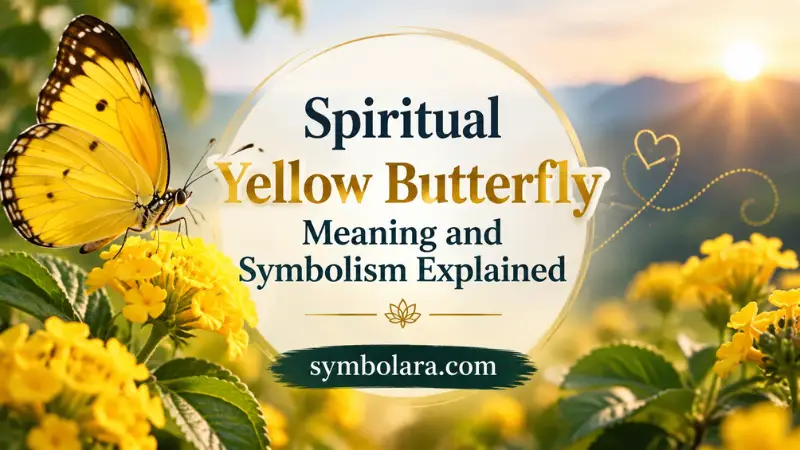
A yellow butterfly is easy to recognize because of its bright wings, delicate movement, and frequent appearance in gardens, fields, and parks. Species such as the clouded yellow, common sulphur, and orange sulphur butterflies are often seen across parts of North America, where their yellow coloring has inspired many personal and cultural interpretations.
People often search for the Spiritual Yellow Butterfly Meaning when they notice one during an important moment, after a life change, or while remembering someone they have lost. In modern American culture, yellow butterflies are commonly connected with hope, happiness, renewal, and personal growth. These ideas come from a mixture of butterfly biology, older symbolic traditions, art, and personal beliefs.
The meaning of a yellow butterfly is not fixed. Some people view it through a spiritual lens, while others see it simply as a beautiful part of nature. Understanding where these associations developed helps separate traditional symbolism from newer personal interpretations.
Quick Answer
A yellow butterfly is commonly interpreted in the United States as a symbol of happiness, renewal, optimism, and positive change. The meaning developed from the butterfly’s natural transformation from caterpillar to adult insect, along with cultural associations between the color yellow and sunlight, joy, and hope.
TL;DR
- Yellow butterflies often represent joy and fresh beginnings.
- Butterfly symbolism comes from natural transformation.
- Yellow is linked with sunlight and optimism.
- Americans use yellow butterflies in art and memorials.
- Meanings vary by personal belief and culture.
- Scientific evidence does not prove spiritual messages.
What Does a Yellow Butterfly Look Like in Nature?
Yellow butterflies belong to several butterfly groups rather than one single species. Many have wings ranging from pale cream-yellow to bright golden shades, often with dark markings along the edges or spots on the wings.
In the United States, yellow butterflies commonly appear in open spaces such as meadows, gardens, roadsides, and parks. The clouded yellow and sulphur butterfly groups are among the better-known examples. Their yellow color comes from pigments in their wings that help create their recognizable appearance.
Butterflies spend much of their lives in different stages. They begin as eggs, become caterpillars, form a chrysalis, and eventually emerge as adults. This natural process strongly influenced the way people think about butterflies as symbols of change.
A yellow butterfly’s appearance also affects its symbolic meaning. The bright color often reminds people of sunlight, spring flowers, warmth, and outdoor renewal. These visual connections helped create many modern interpretations.
Why Do People Associate Yellow Butterflies With Happiness?
The most common modern interpretation of a yellow butterfly involves happiness and positive emotions. This association comes partly from the color yellow itself. In many Western cultures, yellow is connected with sunlight, flowers, warmth, and cheerful moods.
A person may associate seeing a yellow butterfly with a pleasant memory, a hopeful moment, or a reminder to appreciate small experiences. For example, someone visiting a garden during spring may view a yellow butterfly as a sign of a peaceful day rather than a message with a fixed meaning.
Psychologists who study color associations note that people often connect colors with emotions through personal experiences and cultural learning. Yellow objects can create feelings of brightness or energy because of their connection to familiar things like sunlight and flowers.
The butterfly adds another layer because of its life cycle. The movement from caterpillar to winged adult has long been used as a metaphor for personal change. Together, the butterfly shape and yellow color create an image many people connect with optimism.
How Did Butterfly Transformation Become a Symbol of Change?
Butterflies became symbols of transformation because their life cycle is one of the most visible examples of change in the natural world. A caterpillar and a butterfly look completely different, yet they are stages of the same creature.
Ancient cultures noticed this dramatic change and used butterflies in art, stories, and beliefs. The exact meaning differed from place to place. Some traditions connected butterflies with the soul or life after death, while others focused on beauty, freedom, or seasonal change.
In European art during the Renaissance and later periods, butterflies sometimes appeared in religious paintings and still-life works. Artists used them to represent ideas connected with life, the human spirit, and temporary beauty.
Over time, the butterfly became a widely recognized image of personal growth. Today, many people use butterfly designs during major life transitions, such as recovery, moving to a new place, starting a career, or entering a new stage of life.
The yellow butterfly adds the idea of brightness and hope to this broader butterfly symbolism.
Where Did Yellow Butterfly Symbolism Come From Historically?
The exact origin of yellow butterfly symbolism is not fully settled because meanings developed across different cultures rather than from one single source. Early symbolic uses of butterflies often focused on the insect’s transformation rather than its color.
In ancient Greek culture, the word “psyche” was connected with both the soul and butterfly imagery. Ancient artwork sometimes showed butterflies in connection with human life and spiritual ideas. However, not every historical butterfly image had the same meaning.
Yellow’s associations also developed separately. In many societies, yellow was connected with sunlight, gold, crops, and seasonal cycles. These associations helped shape later interpretations of yellow animals and flowers.
During the 19th and 20th centuries, nature illustrations, poetry, and decorative arts increased public interest in butterflies. Yellow butterflies appeared in artwork because their bright color made them visually appealing and easy to associate with cheerful themes.
Modern spiritual interpretations combine these older ideas with personal reflection. Many current meanings are individual rather than inherited from a specific historical tradition.
Yellow Butterfly Symbolism in American Culture
In the United States, yellow butterflies appear in many forms of personal expression, including gardens, artwork, jewelry, tattoos, and memorial designs. Their meaning usually depends on the person using the symbol.
Some people place butterfly decorations in gardens because butterflies represent a connection with nature and seasonal renewal. A yellow butterfly visiting a backyard may simply be enjoyed as a sign of a healthy environment and the presence of pollinators.
Yellow butterfly artwork is also common in home decoration. People often choose it for spaces where they want a bright, welcoming atmosphere. The image fits well with themes such as spring, outdoor living, and family memories.
In memorial settings, butterflies are sometimes used to represent remembrance, transition, or a loved one’s memory. A yellow butterfly may appear on cards, decorations, or artwork because its color can suggest warmth and comfort.
The meaning is usually personal rather than an established American tradition. Two people may use the same butterfly image while attaching completely different meanings to it.
Why Do Yellow Butterflies Appear in Personal Spiritual Beliefs?
Many people interpret encounters with yellow butterflies through their own spiritual or personal beliefs. Someone may view seeing one at a certain moment as a reminder of hope, a meaningful coincidence, or a connection to a personal memory.
These interpretations often come from symbolic thinking, where people use objects in nature to reflect on emotions and experiences. A butterfly landing nearby during a difficult period may feel meaningful because the person connects it with change or encouragement.
However, there is no scientific evidence that butterflies carry messages from outside sources or predict future events. The meaning usually comes from the observer’s beliefs, memories, and cultural background.
For many Americans, spiritual symbolism is a personal practice. Some follow specific religious traditions, while others create their own meanings from nature, art, and life experiences.
The value of the symbol often comes from what it represents to the individual rather than from a universal rule.
Yellow Butterfly Meanings in Different Cultures
Yellow butterflies do not have one universal meaning across cultures. Their interpretations depend on local traditions, stories, religion, and the way people relate to nature.
In some parts of Latin America, butterflies are connected with ideas of transformation and remembrance. The most famous example is the monarch butterfly, which has cultural importance in Mexico during Día de los Muertos celebrations. Although monarchs are usually orange and black rather than yellow, their symbolism has influenced wider butterfly associations with memory and change.
In Chinese culture, butterflies have often appeared in art and literature as symbols of love, freedom, and long life. The well-known Butterfly Lovers story uses butterflies as part of a romantic and spiritual theme. Yellow butterflies may share some of these general butterfly associations, but the specific color meaning can vary.
In some Native American traditions, butterflies appear in stories, artwork, and teachings connected with nature, change, and beauty. Meanings differ among individual nations and communities, so there is no single Native American interpretation of a yellow butterfly.
These examples show why it is useful to look at the specific culture and tradition behind a symbol rather than assuming every meaning applies everywhere.
Why Do People Feel Emotionally Connected to Yellow Butterflies?
People often connect emotionally with yellow butterflies because the image combines two familiar ideas: a butterfly’s transformation and yellow’s association with brightness.
A person going through a major change may relate to the butterfly’s life cycle. For example, someone starting a new career, recovering from a difficult experience, or moving to a new city may choose a butterfly image because it reflects a personal transition.
Yellow can also influence emotional associations. Many people connect the color with summer days, sunflowers, morning light, and cheerful memories. These everyday experiences help explain why yellow butterfly designs often feel comforting or encouraging.
The emotional meaning is also shaped by memory. A person who remembers seeing yellow butterflies with a family member may attach a special meaning to the image that others do not share.
Symbols work partly because people give them personal stories. A yellow butterfly tattoo, necklace, or artwork often represents an individual experience rather than a fixed definition.
How Americans Use Yellow Butterfly Designs Today
Yellow butterfly designs appear in many modern settings, including fashion, home decoration, tattoos, and personal gifts. Their bright appearance makes them popular for designs that represent optimism or change.
Tattoos
Yellow butterfly tattoos are often chosen to represent personal growth, freedom, recovery, or a new chapter of life. Some people add flowers, names, dates, or other symbols to make the design connected to a specific memory.
The placement can also affect the personal meaning. A small butterfly on the wrist may represent a private reminder, while a larger back or shoulder design may serve as a more visible expression.
Jewelry
Butterfly necklaces, rings, and earrings are common gift choices. A yellow butterfly pendant may be given to celebrate milestones such as birthdays, graduations, or personal achievements.
Jewelry also allows people to carry a symbol with them daily. For some, the design is simply attractive; for others, it carries a personal message.
Home Decor
Yellow butterfly artwork is often used in bedrooms, living rooms, and garden spaces. The design fits naturally with floral themes and outdoor decoration.
Many people choose butterfly decorations because they create a feeling of openness and connection with nature rather than because of a specific spiritual belief.
Social Media and Digital Art
Butterfly images are frequently used in profile pictures, digital artwork, and inspirational posts. Online, yellow butterflies are often paired with messages about hope, change, confidence, and new beginnings.
The meaning online is usually flexible. A person may share a yellow butterfly image because it matches their mood, celebrates a personal achievement, or represents a memory.
What Does a Yellow Butterfly Represent in Tattoos and Fashion?
In tattoos and fashion, a yellow butterfly usually communicates a personal message rather than a traditional rule. Common themes include freedom, confidence, growth, and happiness.
Fashion designers often use butterfly patterns because the shape naturally fits clothing, accessories, and decorative details. Yellow versions stand out because they create a bright visual effect.
Some people choose yellow butterfly designs after a difficult period in life. The image can represent moving forward, rebuilding confidence, or accepting change.
Others choose it simply because they enjoy butterflies or the color yellow. Not every symbolic design has a deeper meaning. Personal style is often the main reason behind the choice.
Common Misunderstandings About Yellow Butterfly Symbolism
One common misunderstanding is that every yellow butterfly sighting has the same spiritual meaning. In reality, interpretations vary widely. Some people see a yellow butterfly as a meaningful personal moment, while others simply see a beautiful insect.
Another misunderstanding is that all butterfly symbolism comes from ancient traditions. Some ideas are older, but many modern interpretations developed recently through art, social media, wellness culture, and personal storytelling.
People also sometimes claim that a yellow butterfly always represents a specific event, such as a message from someone who has died or a guaranteed sign of good luck. These claims are personal beliefs rather than facts supported by scientific research.
A balanced view allows people to appreciate the symbol while recognizing the difference between cultural tradition, personal interpretation, and evidence-based information.
How Yellow Butterfly Symbolism Has Changed Over Time
The meaning of yellow butterflies has changed as societies have changed. Earlier butterfly symbolism often focused on transformation, the soul, and the relationship between life stages.
During the Victorian era, flowers, insects, and natural objects became popular symbols in art and personal communication. Butterflies appeared in paintings, jewelry, and decorative objects because they represented beauty and temporary moments.
In the 20th century, butterfly imagery became common in fashion, advertising, and popular art. The butterfly became strongly connected with personal freedom and self-expression.
Today, yellow butterfly symbolism is shaped by many influences: environmental awareness, social media, personal storytelling, tattoos, and modern spiritual practices. Many Americans view the symbol less as a traditional message and more as a personal reminder.
Yellow Butterfly Meaning in Different Modern Contexts
| Context | Meaning in USA | Common Associations | Notes |
| Garden sightings | Appreciation of nature and seasonal beauty | Spring, flowers, pollinators | Often enjoyed without a spiritual meaning |
| Memorial artwork | Remembrance and comfort | Loved ones, memories, transition | Meaning usually depends on personal beliefs |
| Tattoos | Personal change and self-expression | Growth, freedom, recovery | Designs often include names or dates |
| Jewelry gifts | Encouragement or celebration | Milestones, friendship, happiness | Common for birthdays and achievements |
| Home decoration | Brightness and natural themes | Warmth, outdoor beauty | Often chosen for visual appeal |
FAQs
Many people consider yellow butterflies positive because they associate them with happiness, renewal, and optimism. However, the meaning depends on personal beliefs and cultural background rather than a universal rule.
A yellow butterfly does not have one specific religious meaning shared by all traditions. Some religious artwork uses butterflies to represent ideas such as life change or spiritual themes, but interpretations differ.
Yellow butterflies are not extremely rare in many parts of the United States. Species from the sulphur butterfly group can be commonly seen in gardens, fields, and open areas.
A yellow butterfly tattoo often represents change, freedom, happiness, or a personal life experience. The meaning usually comes from the person wearing the tattoo.
Some people associate yellow butterflies with good fortune because yellow is linked with positivity and celebration. This is a cultural or personal belief rather than a proven connection.
People may use yellow butterflies in memorials because butterflies can represent change, memories, and the continuation of life. The color yellow may add feelings of warmth and comfort.
The butterfly shape generally represents transformation, while the yellow color adds associations with brightness, joy, and sunlight. Other butterfly colors may carry different personal or cultural meanings.
Conclusion
The Spiritual Yellow Butterfly Meaning is commonly connected with happiness, renewal, personal change, and hope. These ideas come from the butterfly’s natural transformation, the cultural associations of yellow, and the ways people use symbols in everyday life.
A yellow butterfly can appear in many places: a garden, a piece of jewelry, a tattoo, or a memorial design. Its meaning depends on the person viewing it and the story they connect with the image.
Symbols like the yellow butterfly continue to matter because people use nature to express memories, emotions, and important moments. A small butterfly landing on a flower may simply be part of the natural world, but it can also become a meaningful reminder of a personal experience.