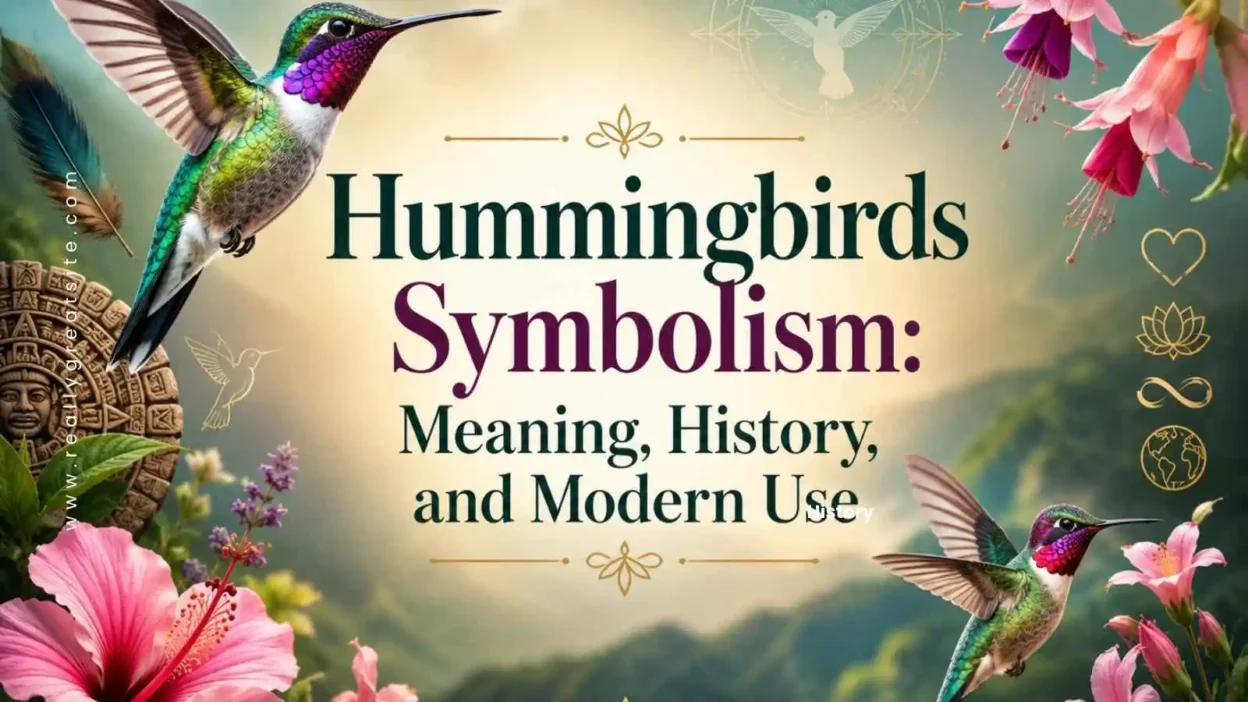
A hummingbird is one of the smallest birds in the world, yet its bright colors and rapid movements make it easy to notice. With wings that can beat dozens of times per second, hummingbirds appear lively, graceful, and full of motion. Many people search for Hummingbirds Symbolism because they want to understand why this bird appears so often in tattoos, artwork, jewelry, and personal keepsakes.
In the United States, hummingbirds are often connected with joy, resilience, love, and appreciation for small moments. They appear in gardens, memorial designs, home decorations, and creative artwork. The meanings attached to them come from a mix of Indigenous traditions, personal experiences, and modern cultural expressions.
Quick Answer
Hummingbirds Symbolism often represents joy, adaptability, resilience, love, and the ability to find beauty in everyday moments. Historically, many meanings come from Indigenous cultures of the Americas, where hummingbirds were associated with life, bravery, and spiritual beliefs.
TL;DR
- Hummingbirds often represent joy, resilience, and adaptability.
- Their meanings developed through Indigenous American traditions.
- Many people use hummingbirds in memorial artwork.
- Bright colors connect them with beauty and creativity.
- Tattoos often express personal growth or remembrance.
- Modern meanings vary by individual experience.
What Does a Hummingbird Look Like and Where Is It Found?
Hummingbirds are tiny birds known for their colorful feathers, narrow beaks, and unusual flying ability. Unlike most birds, they can hover in place and even fly backward because of their unique wing movement.
More than 300 hummingbird species exist worldwide, mostly across the Americas. In the United States, the ruby-throated hummingbird is one of the most recognized species, especially in eastern states. Western regions commonly see species such as Anna’s hummingbird and rufous hummingbirds.
Their appearance often influences their symbolic meanings. The quick movements suggest energy and flexibility, while their jewel-like feathers connect them with beauty and creativity.
People commonly notice hummingbirds around gardens, flowering plants, and backyard feeders. Because they often appear suddenly and disappear quickly, many people associate them with brief but meaningful experiences.
Why Hummingbirds Represent Joy and Everyday Beauty
One of the most common modern interpretations of the hummingbird is joy. Their small size, colorful feathers, and active behavior create an impression of happiness and curiosity.
Many people connect hummingbirds with enjoying simple experiences. A hummingbird visiting a garden may remind someone to appreciate a quiet morning, a favorite place, or a meaningful memory.
This association is not based on a single historical source. Instead, it developed through observation and personal interpretation. People often give symbols meaning based on how they feel when encountering them.
In American culture, this idea appears in garden decorations, paintings, greeting cards, and home designs. A hummingbird image may represent optimism, kindness, or a reminder to notice small moments.
Historical Roots of Hummingbird Meanings
The meanings linked with hummingbirds have roots in several Indigenous cultures of the Americas. These interpretations are not identical across all communities, and each tradition has its own stories and beliefs.
Among the Aztec people, hummingbirds held an important place in mythology. The deity Huitzilopochtli was connected with hummingbirds and was associated with war, the sun, and the founding stories of the Aztec civilization. Warriors and leaders sometimes connected hummingbirds with courage and strength.
Some Indigenous groups in North America also viewed hummingbirds as meaningful animals. Certain traditions associated them with healing, love, or bringing good fortune, although interpretations differed between nations.
The exact origin of modern hummingbird meanings is not a single event. Today’s symbolism combines historical traditions, scientific appreciation of the bird, and personal interpretations.
Hummingbirds in American Culture and Daily Life
In the United States, hummingbirds have become common symbols in personal and public spaces. Their image appears in gardens, artwork, clothing, tattoos, and memorial objects.
Backyard bird feeding is one example of this connection. Many Americans install hummingbird feeders because they enjoy watching these birds. For some people, a hummingbird’s visit becomes a small daily reminder of nature and connection with the outdoors.
Hummingbird designs are also common in memorial items. Some people choose hummingbird images after losing someone because the bird represents remembrance, love, and continuing memories.
During spring and summer, hummingbird themes often appear in garden decorations, outdoor flags, and seasonal crafts. Their connection with flowers makes them especially popular in nature-inspired designs.
Cultural Meanings Beyond the United States
Hummingbirds have documented cultural importance in several Indigenous traditions throughout the Americas.
In parts of Central and South America, hummingbirds appear in myths, artwork, and ceremonial traditions. The Aztec connection with Huitzilopochtli is one of the best-known examples.
Some Indigenous communities in the Americas have stories that connect hummingbirds with qualities such as bravery, healing, or relationships. These meanings should be understood within their specific cultural settings rather than combined into one universal belief.
In modern global culture, hummingbirds are often used as general nature symbols. Their meanings today may differ from their original cultural contexts.
Emotional Meaning: Why People Feel Connected to Hummingbirds
Many people connect with hummingbirds because the bird represents qualities they value in their own lives.
A person recovering from a difficult period may choose a hummingbird design because its constant movement suggests persistence. Someone celebrating a new beginning may see it as a symbol of change and personal growth.
The bird’s ability to survive despite its small size also influences these interpretations. A hummingbird must consume large amounts of food because of its fast metabolism, showing how much effort can exist behind a delicate appearance.
For some people, a hummingbird represents a loved one, a special memory, or a personal reminder. The meaning often comes from the relationship between the person and the symbol.
Hummingbird Tattoos and Personal Expression
Hummingbird tattoos are popular because they allow many different interpretations. Some people choose them for their appearance, while others connect them with a specific life experience.
Common tattoo meanings include:
- Personal growth after challenges
- Love and affection
- Freedom and independence
- Remembering someone important
- Appreciation for nature
The design details can change the meaning. A hummingbird with flowers may suggest beauty and connection with nature. A flying hummingbird may represent movement or change. A colorful hummingbird may highlight creativity and individuality.
Because tattoos are personal, there is no single meaning that applies to every hummingbird design.
Jewelry, Art, and Home Decor Featuring Hummingbirds
Hummingbird designs are widely used in jewelry and decorations. Necklaces, earrings, paintings, and sculptures often feature the bird because its shape works well in artistic designs.
Jewelry with hummingbirds is sometimes given as a gift to represent affection, encouragement, or remembrance. The small size of the design makes it suitable for subtle personal pieces.
In home decor, hummingbirds are often paired with flowers, gardens, and outdoor themes. These designs create a connection with nature and seasonal beauty.
Artists also use hummingbirds because their colors allow creative expression. The bird’s movement can be shown through curved lines, open wings, or bright patterns.
Common Misunderstandings About Hummingbird Symbolism
A common misunderstanding is that every hummingbird appearance has the same meaning. In reality, symbolism depends on culture, personal beliefs, and individual experiences.
Another misconception is that hummingbirds always represent a spiritual message. Some people interpret them this way, but others simply appreciate them as beautiful birds or reminders of nature.
It is also important to avoid treating Indigenous meanings as one shared belief system. Different communities have different traditions, and modern interpretations may not match historical ones.
The hummingbird can be meaningful without needing a supernatural explanation. Many people value it because of its real qualities: speed, color, survival, and connection with flowers.
How Hummingbird Meanings Changed Over Time
The meaning of hummingbirds has changed as the bird moved from traditional cultural settings into modern art and everyday life.
Earlier meanings were often connected with specific Indigenous stories, ceremonies, and beliefs. Later, hummingbirds became popular in Western art and nature appreciation.
During the 20th and 21st centuries, hummingbird designs became common in tattoos, jewelry, and home decorations. Their meanings expanded to include personal themes such as healing, memory, and self-expression.
Today, people often combine historical associations with their own experiences. A hummingbird may represent cultural heritage for one person and a personal memory for another.
Different Meanings of Hummingbirds in Modern American Uses
| Context | Meaning in USA | Common Associations | Notes |
| Tattoo designs | Personal growth and remembrance | Change, love, resilience | Meaning depends on the owner’s story |
| Garden decorations | Appreciation of nature | Flowers, seasons, outdoor life | Often connected with backyard spaces |
| Memorial artwork | Remembering loved ones | Memory, affection, honoring someone | Common in personalized designs |
| Jewelry gifts | Care and encouragement | Friendship, love, support | Often chosen for symbolic value |
| Paintings and crafts | Beauty and creativity | Color, movement, nature | Popular in decorative art |
Hummingbirds in Pop Culture and Modern Design
Hummingbirds appear frequently in modern design because they combine recognizable shape with strong visual appeal.
They are used in clothing patterns, logos, stationery, and digital artwork. Their connection with flowers makes them common in nature-themed brands and products.
Social media has also increased the popularity of hummingbird photography and artwork. Many people share hummingbird images because they capture a brief and beautiful moment.
Unlike some symbols tied to one specific meaning, hummingbirds remain flexible. Their interpretation often depends on the message a person wants to express.
FAQs
Most modern interpretations are positive and connect hummingbirds with joy, beauty, resilience, and remembrance. However, meanings vary depending on cultural background and personal experience.
Hummingbirds appear in some cultural and spiritual traditions, including Indigenous beliefs of the Americas. However, they do not have one universal religious meaning.
Many people choose hummingbirds for memorial tattoos because they associate the bird with love, memories, and honoring someone who has passed away.
A hummingbird with flowers often represents a connection with nature, beauty, and appreciation for life. The meaning may also depend on the specific flower included.
Some cultures and individuals associate hummingbirds with good fortune or positive experiences. These beliefs vary and are not shared everywhere.
A flying hummingbird tattoo may represent freedom, movement, personal change, or overcoming challenges. The meaning depends on the person wearing it.
Many people use hummingbird decorations because they enjoy the bird’s connection with flowers, outdoor spaces, and natural beauty. Some also use them as reminders of personal memories.
Conclusion
Hummingbirds Symbolism connects a small bird with ideas of joy, resilience, beauty, and personal meaning. Its interpretations developed from Indigenous traditions, observations of nature, and modern creative expression.
Today, hummingbirds appear in American gardens, tattoos, jewelry, and artwork because people see different parts of themselves in this remarkable bird. Whether it represents a memory, a personal goal, or simple appreciation for nature, the hummingbird continues to hold meaning because people attach their own stories to it.