
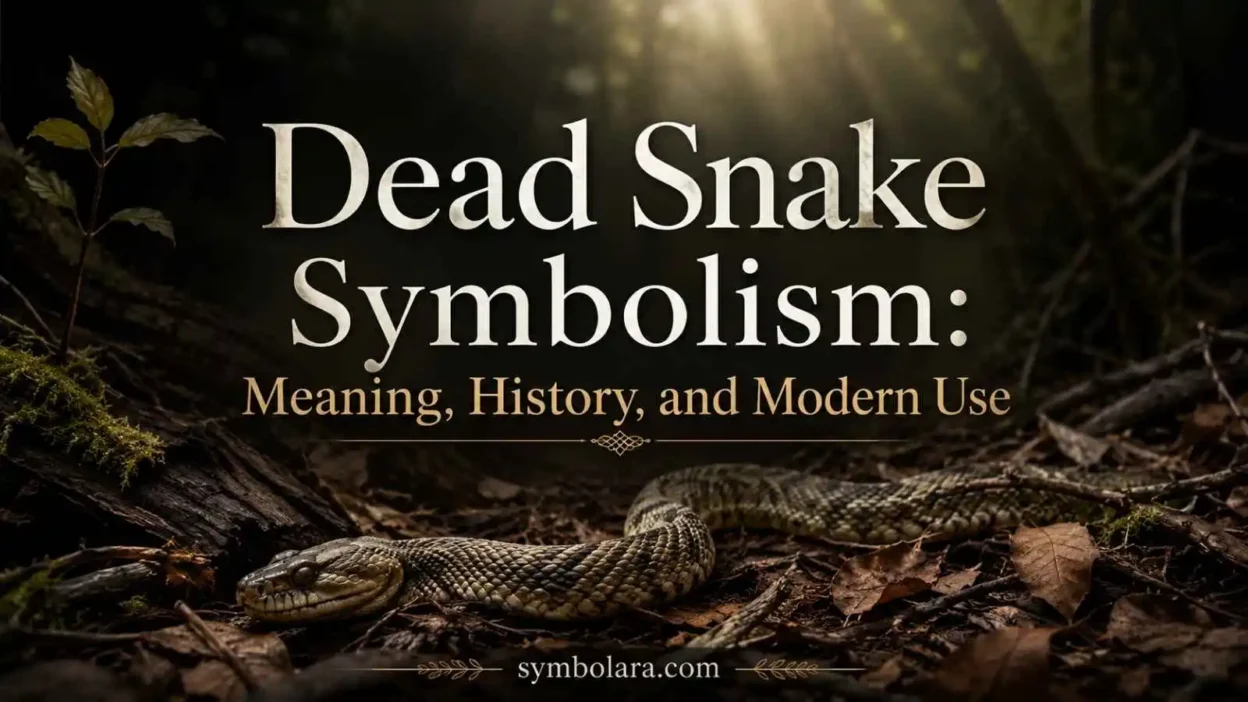
A dead snake is a striking image: a snake lying still, no longer moving or threatening. Unlike a living snake, which is often connected with movement, survival, or danger, a dead snake creates a different set of associations. People often search for Dead Snake Symbolism because they want to understand what this image may represent in dreams, tattoos, artwork, stories, or personal experiences.
In American culture, a dead snake can represent the end of a difficult period, overcoming fear, or leaving behind something harmful. However, its meaning is not fixed. The interpretation often depends on the setting, personal beliefs, and cultural background.
The image appears in many places, from folklore and religious artwork to modern tattoos and fictional stories. Some people view it as a sign of victory over challenges, while others see it as a reminder of change, loss, or transformation.
Quick Answer
A dead snake commonly symbolizes the end of a threat, personal change, overcoming obstacles, or leaving behind an old situation. Historically, snakes have carried mixed meanings across cultures, so a dead snake often represents the ending or reversal of the qualities associated with living snakes.
TL;DR
- Dead snakes often represent endings and personal change.
- The symbol can suggest overcoming fear or danger.
- Snake meanings vary widely across cultures.
- American tattoos use it to show survival and resilience.
- Religious traditions interpret snakes in different ways.
- Modern meanings depend on personal experience.
What Does a Dead Snake Look Like as a Symbol?
A dead snake symbol usually shows a snake lying motionless, sometimes curled, stretched out, or shown with visible signs that its life has ended. In artwork, the snake may appear alone or alongside objects such as flowers, weapons, skulls, leaves, or natural landscapes.
The appearance of the snake affects how people understand the image. A snake with its body broken may suggest defeat or the removal of danger. A snake lying peacefully among plants may suggest natural cycles, endings, or acceptance of change.
In real life, dead snakes are found in many regions of the United States, especially rural areas, forests, deserts, and warmer climates where snakes are common. Because many people encounter snakes through outdoor experiences, the image can create strong feelings connected with nature, caution, and survival.
The symbol is not based only on fear. A dead snake can also represent the quiet moment after a struggle has ended.
Why Do People Associate a Dead Snake With Endings and Change?
The most common modern interpretation connects a dead snake with the idea that something has stopped having control or influence. Since living snakes are often associated with movement, danger, and survival, a dead snake can represent the opposite: a threat that has passed.
For some people, this meaning appears after major life changes. Someone leaving a harmful relationship, finishing a difficult chapter, or recovering from a stressful experience may connect with the image of a dead snake.
The symbol can also represent transformation. In nature, snakes shed their skin as part of growth. Although a dead snake is different from a snake shedding its skin, both images can become connected with ideas about change and leaving behind an old version of oneself.
The emotional meaning depends on the viewer. One person may see freedom, while another may see loss.
Historical Roots of Snake Symbolism and Its Changing Meaning
Snake symbolism has existed in many societies for thousands of years, but the meaning of snakes has never been the same everywhere. Some cultures viewed snakes as protectors or signs of renewal, while others connected them with danger or temptation.
In ancient Egypt, snakes appeared in royal symbols and protective imagery. The cobra was associated with kingship and protection, especially through the uraeus symbol worn by pharaohs. The snake was not simply viewed as a harmful creature.
In ancient Greek traditions, snakes were also connected with healing. The rod of Asclepius, a staff with a snake wrapped around it, became associated with medicine and continues to appear in healthcare symbols today.
In contrast, some later European Christian traditions often connected snakes with temptation because of the story of the serpent in the Book of Genesis. In these interpretations, defeating or killing a snake could represent overcoming evil or temptation.
Because living snakes carried these different meanings, a dead snake inherited many opposite interpretations. It could represent protection from danger, the end of temptation, or the loss of something connected with renewal.
The exact meaning depends on the tradition and historical period being discussed.
Dead Snake Symbolism in American Culture
In the United States, the meaning of a dead snake is often shaped by personal experiences with nature, storytelling, religion, and popular culture.
Many Americans grow up with mixed feelings about snakes. In some communities, snakes are respected as important parts of ecosystems because they control rodent populations. In others, snakes are viewed mainly as dangerous animals that should be avoided.
Because of this contrast, a dead snake image can carry two different messages. It may represent relief after removing danger, or it may represent respect for a creature that has completed its natural life cycle.
In Western and rural American traditions, images of defeated animals often appear in stories about survival. A dead snake may symbolize a person who has overcome hardship or escaped a difficult situation.
The symbol also appears in art and entertainment. Western movies, fantasy stories, and horror films sometimes use dead snakes to show danger that has been defeated or a frightening situation that has ended.
In personal expression, some Americans choose snake imagery because they connect with themes of survival, change, and strength. A dead snake design adds a specific message: the challenge is no longer active.
The Difference Between a Living Snake and a Dead Snake Symbol
The contrast between living and dead snakes helps explain why the image carries different meanings.
| Context | Meaning in USA | Common Associations | Notes |
| Tattoo design | Overcoming struggles or past challenges | Survival, change, personal victory | Often chosen after major life transitions |
| Dream interpretation | Ending of fear or conflict | Relief, closure, emotional change | Meanings vary by personal experience |
| Nature imagery | Completion of a life cycle | Acceptance, balance, wildlife | May reflect respect for animals |
| Religious artwork | Defeat of temptation or danger | Moral struggle, protection | Depends on the tradition shown |
| Decorative art | A dramatic natural image | Change, contrast, symbolism | Often combined with flowers or other objects |
How Dead Snake Images Appear in Tattoos and Personal Expression
Tattoos are one of the most common modern uses of snake symbolism. A living snake tattoo may represent adaptability, protection, or renewal, while a dead snake tattoo usually adds a message about overcoming something that once caused difficulty.
Some designs show a dead snake with a dagger, flowers, or bones. A dagger may suggest conflict or victory. Flowers can create a contrast between death and new growth. Bones or skeleton imagery may highlight themes of mortality and nature.
People choose these designs for different reasons. Some may connect the image with a personal struggle they survived. Others may simply appreciate the visual contrast between danger and peace.
In American tattoo culture, symbols are often highly personal. The same image can communicate different stories depending on the person wearing it.
How Different Cultures Have Interpreted Dead Snake Imagery
Snake symbolism appears in many cultures, but specific traditions about a dead snake are less common than general beliefs about snakes. In most cases, the meaning of a dead snake comes from reversing or changing the meaning of the living animal.
In some Indigenous traditions of North America, snakes have been viewed in different ways depending on the nation and region. Some groups connected snakes with natural forces, survival, or the earth, while others treated certain snakes with caution because of their danger. A dead snake in these contexts may represent the end of a natural cycle rather than a simple victory over an enemy.
In parts of South Asian traditions, snakes can be connected with protection, fertility, and spiritual stories. A dead snake may therefore carry a more complex meaning because it can represent the loss of a creature that was sometimes respected rather than feared.
In Chinese culture, snakes are often associated with intelligence, flexibility, and transformation. A dead snake image may be interpreted as the ending of a phase or the closing of a period of personal change.
These interpretations show why there is no single universal meaning. The symbol changes based on the beliefs and stories surrounding snakes in each culture.
Why People Connect Emotionally With This Symbol
A dead snake often creates a strong emotional reaction because snakes are animals that naturally attract attention. Many people feel caution around snakes because some species can be dangerous, while others admire them for their ability to survive in difficult environments.
When people use a dead snake image, they often connect it with a personal story. It may represent a challenge they faced, a fear they overcame, or a situation they no longer want to carry.
The image can also communicate closure. For someone who has experienced a major change, the dead snake may represent the moment when an old problem stopped affecting their life.
At the same time, some people may find the image uncomfortable because it represents death. The same symbol can create feelings of freedom for one person and sadness or discomfort for another.
The Role of Dreams and Personal Interpretations
Dreams involving snakes are common, and many people search for meanings when they dream about a dead snake. However, dream symbolism is not scientifically fixed. A dream image does not have one guaranteed interpretation.
In popular culture, a dead snake in a dream is often connected with ideas such as ending a conflict, overcoming fear, or moving away from a difficult situation. These interpretations come from cultural associations rather than proven rules.
Personal experiences often shape dream meanings. Someone who recently ended a stressful relationship may view the image differently from someone who has a positive connection with snakes through nature or wildlife.
The most useful way to understand such dreams is to consider the person’s feelings during the dream and their current life circumstances.
How Dead Snake Symbolism Appears in Modern Art and Media
Artists often use dead animals to create contrast between life, change, and human experiences. A dead snake can appear in paintings, illustrations, album artwork, and fictional stories because it creates an immediate visual message.
In horror and fantasy genres, a dead snake may represent a defeated enemy or the end of a dangerous force. In nature-based artwork, it may show the cycle of life and death.
Fashion and graphic design sometimes use snake imagery because snakes have recognizable shapes and strong visual appeal. A dead snake design may add a darker or more reflective tone compared with a traditional snake image.
Modern artists usually use the symbol creatively rather than following one traditional meaning. The surrounding elements often determine the message.
Common Misunderstandings About Dead Snake Symbolism
One common misunderstanding is that a dead snake always represents something negative. While death can suggest loss, many interpretations focus on completion, change, or overcoming difficulty.
Another misunderstanding is that all snake symbolism comes from one religious tradition. Snake meanings existed in many societies before and outside major religious interpretations. Different communities developed their own views based on local stories and experiences.
Some people also assume that seeing a dead snake is always a sign or prediction. Cultural symbolism can provide personal meaning, but there is no evidence that a dead snake automatically predicts future events.
The difference between symbolism and belief is important. A symbol can represent an idea without proving that the idea will happen.
How Dead Snake Meaning Has Changed Over Generations
The meaning of dead snake imagery has shifted as societies changed their relationship with nature, religion, and personal identity.
In older stories, defeating a snake was often connected with overcoming danger or defeating a harmful force. These ideas remain visible in some religious and fictional traditions.
During the 20th and 21st centuries, personal symbolism became more common. Tattoos, artwork, and fashion allowed people to choose symbols based on individual experiences rather than shared cultural rules.
Today, many Americans interpret a dead snake through personal growth and life changes. Someone may see it as a reminder of a past struggle, while another person may view it simply as an interesting natural image.
The modern meaning is often less about a fixed tradition and more about the story the person attaches to it.
Dead Snake Symbolism in Home Decor and Design
Although less common than snake tattoos, dead snake imagery sometimes appears in artwork and decorative pieces. It is usually chosen for its dramatic appearance rather than as a simple decoration.
Artists may combine a snake with natural elements such as flowers, plants, stones, or insects to create a message about balance between life and death.
In rustic or nature-inspired American homes, wildlife imagery can represent appreciation for the outdoors. A dead snake design may be used as part of a larger collection focused on animals, hunting history, or wilderness themes.
Because the image can appear dark, many designers use softer elements to create balance. For example, a snake surrounded by wildflowers may suggest renewal rather than only loss.
Does a Dead Snake Have a Religious Meaning?
A dead snake does not have one universal religious meaning. Different religious traditions have interpreted snakes in different ways.
In some Christian interpretations, a defeated snake may represent overcoming temptation because the serpent is connected with the story of Adam and Eve. However, other Christian traditions focus more on the broader symbolism of snakes rather than a specific dead snake image.
In other traditions, snakes may represent healing, protection, or renewal, which creates different interpretations of a dead snake.
The meaning depends on the specific belief system, artwork, and historical context.
FAQs
Dead snake imagery can have both positive and negative interpretations. Many people view it as a sign of overcoming difficulties, while others associate it with endings, loss, or mortality.
Yes, many modern interpretations connect a dead snake with personal change because it represents the end of an old situation. However, this meaning comes from cultural interpretation rather than a universal rule.
A dead snake tattoo often represents surviving a challenge, leaving behind a difficult period, or marking a personal transformation. The meaning depends on the design and the person’s reason for choosing it.
Some traditions may view it as a warning or negative image, but others see it as a natural event or a symbol of change. There is no universal meaning attached to seeing one.
No. Snakes have represented many ideas, including healing, protection, renewal, danger, and transformation. Their connection with death is only one interpretation among many.
Snakes are visually distinctive animals with behaviors that people have noticed for thousands of years, such as shedding skin, hiding, and surviving in different environments. These qualities have led to many symbolic meanings.
Yes. Some people interpret the end of something old as creating space for something new. This interpretation is especially common in personal artwork and tattoo culture.
Conclusion
Dead Snake Symbolism carries several meanings depending on the culture, situation, and personal experience connected with it. In modern American interpretations, it is often linked with ending a difficult period, overcoming a challenge, or moving away from something that once caused fear or trouble. At the same time, it can represent loss, natural cycles, or the closing of an important chapter.
The image developed from older beliefs about snakes as creatures connected with danger, protection, healing, renewal, and change. Because snakes have held different meanings across societies, a dead snake does not have one fixed message. Its meaning comes from the story, setting, and symbols placed around it.
Today, people use this image in tattoos, artwork, dreams, and personal expression to communicate experiences that are often difficult to describe with words. A dead snake may simply show the end of something, but for many people, it marks the moment when a past struggle no longer controls the present.
[…] traditions show why snake symbolism should not be flattened into one meaning. Across cultures, snakes can represent life, weather, sacred power, wisdom, danger, and […]