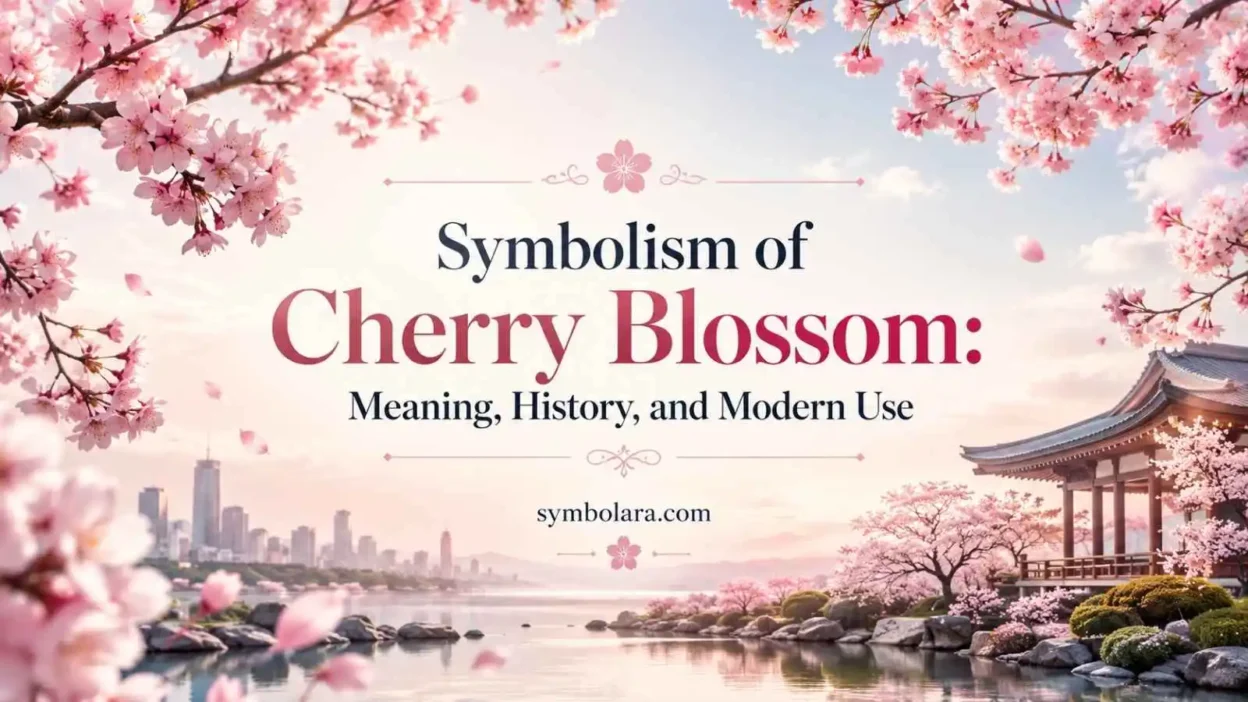
Cherry blossoms are small, delicate spring flowers that bloom in soft shades of white, pale pink, and deeper rose. The Symbolism Of Cherry Blossom matters because the flower appears for only a short time, making people notice beauty, change, and the passing of seasons more sharply than they might with flowers that last longer.
In the United States, cherry blossoms are especially connected with Washington, D.C., spring festivals, Japanese cultural influence, friendship, photography, tattoos, weddings, and peaceful seasonal renewal. Their beauty is gentle, but their meaning is not shallow. A cherry blossom can suggest joy and hope, yet it can also remind people that good moments are temporary.
That mix of happiness and awareness is what makes the flower so widely used. It is pretty enough for decor and fashion, but meaningful enough for memorial art, personal tattoos, and public ceremonies.
Quick Answer
The Symbolism Of Cherry Blossom commonly symbolizes renewal, fleeting beauty, and the arrival of spring in modern American culture, especially in festivals, tattoos, design, and public spaces. Historically, it is also tied to Japanese ideas of impermanence, seasonal awareness, and the friendship between Japan and the United States.
TL;DR
- Cherry blossoms symbolize renewal and short-lived beauty.
- In Japan, they are linked to impermanence.
- In the U.S., they suggest spring and friendship.
- Tattoos often express change, healing, or memory.
- Their soft color creates calm, romantic associations.
- Misuse happens when history is oversimplified.
What Cherry Blossoms Look Like
Cherry blossoms are flowers from ornamental cherry trees, often seen in clusters along branches before or during the early growth of leaves. Their petals are usually soft, rounded, and thin, giving the tree a cloudlike appearance when it reaches full bloom.
Most people recognize them by their pale pink or white color. Some varieties look almost pure white, while others have a richer pink tone. In public parks and gardens, the branches often arch outward or downward, creating a canopy effect when many trees are planted together.
In the United States, people most often encounter cherry blossoms in spring landscapes, city festivals, botanical gardens, wedding decorations, tattoos, stationery, phone wallpapers, fashion prints, and social media photography. Because the flowers bloom all at once and disappear quickly, they feel tied to a specific moment rather than a whole season.
What Cherry Blossoms Commonly Mean in the United States
In modern American culture, cherry blossoms most often mean spring, renewal, beauty, peace, and fresh starts. Many people do not think of them as religious or political symbols. Instead, they see them as seasonal flowers that mark the end of winter and the return of color.
The meaning becomes stronger in places like Washington, D.C., where cherry blossoms are part of public life. Their annual bloom is treated almost like a civic event. People plan walks, photos, picnics, trips, and festival activities around the trees.
For Americans, the flower often carries three meanings at once. It celebrates the beauty of spring, honors the U.S.-Japan friendship behind the famous D.C. trees, and reminds people that some experiences are valuable because they do not last long.
Why Their Short Bloom Matters
The most important symbolic feature of cherry blossoms is their brief bloom. The flowers may appear in dramatic abundance, but they fade quickly. That short life is why they became such a strong image of impermanence.
This does not make the flower sad in a simple way. Instead, it creates a bittersweet feeling. The blossom is joyful because it announces spring, yet it also asks people to notice the present before it passes.
That is why cherry blossoms often represent temporary beauty. They are not usually used to symbolize permanence, endurance, or unchanging strength. Their message is closer to: this moment is beautiful, and part of its beauty comes from the fact that it cannot be kept forever.
Japanese Roots of Sakura Meaning
In Japan, cherry blossoms are known as sakura, and their cultural meaning is older and more layered than their modern use in American design. Sakura are closely connected with springtime flower viewing, seasonal gatherings, poetry, art, and ideas about the passing nature of life.
The tradition of viewing blossoms, often called hanami, is not only about looking at flowers. It is a social and seasonal practice. Families, friends, coworkers, and communities gather beneath blooming trees to eat, talk, walk, and appreciate the season.
Japanese interpretations often connect cherry blossoms with impermanence. The flowers bloom beautifully, then fall. This cycle has made them a natural symbol for youth, beauty, mortality, and the emotional awareness that life changes constantly.
Cherry Blossoms and U.S.-Japan Friendship
In the United States, cherry blossoms have a special public meaning because of the Japanese cherry trees in Washington, D.C. The original gift of thousands of trees from Japan to the nation’s capital in 1912 helped turn the flower into a living symbol of friendship between the two countries.
That history matters because it gives the blossoms a civic meaning beyond decoration. The trees are not just beautiful landscaping. They represent diplomacy, cultural exchange, and the possibility of friendship across national borders.
The annual celebration around the D.C. bloom has helped shape how many Americans understand cherry blossoms. For visitors, the flowers may simply look beautiful. For the city, they also carry a public memory of international goodwill.
Renewal, Spring, and Fresh Starts
Cherry blossoms are strongly tied to renewal because they appear at the beginning of spring. After winter, their sudden bloom feels like a visible sign that life is returning.
This is why the flower works so well in graduation themes, wedding designs, spring branding, and personal art about starting over. It suggests movement from stillness into growth. Unlike evergreen symbols, which often suggest lasting endurance, cherry blossoms point to a new phase.
In American culture, this renewal meaning is often emotional rather than formal. Someone might choose cherry blossom decor after moving into a new home, wear a cherry blossom necklace after a personal change, or use the flower in artwork about healing after a difficult year.
Beauty, Youth, and the Fragility of Life
Cherry blossoms are often associated with youth and beauty because they look fresh, soft, and delicate. Their petals can appear almost weightless, especially when they fall in the wind.
However, the flower’s beauty is not only visual. It also carries the idea that youth and beautiful moments pass quickly. This is why cherry blossoms can feel more reflective than roses or peonies. They do not simply say “beauty”; they say “beauty while it lasts.”
That meaning can be comforting rather than depressing. The flower encourages attention. It reminds people to appreciate a person, season, relationship, or stage of life without assuming it will stay the same forever.
Love, Romance, and Wedding Meaning
Cherry blossoms often appear in weddings because they suggest romance, softness, and new beginnings. Their pink and white colors fit naturally with spring ceremonies, garden weddings, bridal bouquets, invitations, and table decor.
As a wedding symbol, the flower usually points to tenderness rather than passion. It feels gentle, hopeful, and graceful. Roses often carry stronger associations with desire, while cherry blossoms lean toward fresh love, shared growth, and the beginning of a life chapter.
Still, the temporary bloom adds a thoughtful layer. In wedding symbolism, cherry blossoms can suggest that love should be noticed and cared for in real time. They make romance feel present, seasonal, and alive rather than fixed like an object.
Emotional and Psychological Meaning
Psychologically, cherry blossoms often communicate calm, softness, hope, and acceptance. Their colors are light, and their form is delicate, so they tend to feel peaceful rather than dramatic.
For many people, the flower represents the ability to move through change with grace. It can be chosen after loss, transition, recovery, or personal growth. In that context, the blossom does not deny pain. Instead, it suggests that beauty can return after a hard season.
Cherry blossoms also appeal to people who value quiet emotional expression. A skull, storm, or thorned rose may express struggle directly. A cherry blossom expresses change more gently, which is why it works well for people who want meaningful imagery without a severe or heavy look.
Cherry Blossom Tattoos and Personal Style
Cherry blossom tattoos are popular because they combine beauty with a clear personal message. A small branch can symbolize growth, a falling petal can suggest release, and a full blooming tree can represent renewal after hardship.
In tattoo culture, cherry blossoms are often paired with koi fish, butterflies, birds, moons, names, dates, or waves. Each pairing changes the meaning. Paired with a butterfly, the flower may emphasize transformation. When combined with a name or date, it can become a memorial. Near water, it may suggest emotional movement, healing, and acceptance.
Placement also affects the message. A small blossom behind the ear can feel private and delicate. A branch across the shoulder or ribs can look more dramatic, suggesting that change has shaped the person’s body story.
Cherry Blossoms in Decor, Fashion, and Digital Culture
In decor, cherry blossoms are often used to create a peaceful spring atmosphere. Wall art, bedding, candles, vases, and wallpaper patterns use the flower to bring softness into a room. The meaning is usually calm renewal rather than formal cultural symbolism.
Fashion uses cherry blossoms in a similar way. The flower appears on dresses, scarves, handbags, nail art, and seasonal prints because it feels feminine, fresh, and elegant without being overly formal.
Digital culture has expanded the flower’s use even more. Cherry blossom emojis, profile graphics, captions, wallpapers, and aesthetic mood boards often use the bloom to create a soft, emotional atmosphere. In many modern designs, the flower suggests healing after a difficult season, gentle romance, or the beginning of a new era in someone’s life. Its delicate look and short-lived beauty also make it a natural fit for themes of change, self-growth, and fresh starts.
Cherry Blossoms in Art, Poetry, and Pop Culture
Cherry blossoms have long been used in Japanese visual art, poetry, textiles, and decorative objects. Their meaning often depends on whether they are shown blooming, falling, scattered, or viewed under moonlight.
In modern pop culture, cherry blossoms often appear in anime, film, music videos, and games to mark emotional turning points. A scene under falling petals may suggest a goodbye, a confession, a memory, or the start of a new school year.
American audiences may not always know the full cultural background, but they often understand the mood. When cherry blossoms appear on screen, viewers tend to read them as beautiful, emotional, and temporary.
Cross-Cultural Meanings Beyond Japan
Although cherry blossoms are most strongly associated with Japan, their meanings appear in other cultural settings too. In broader East Asian contexts, spring blossoms may be linked with beauty, renewal, femininity, and seasonal celebration.
In the United States, these meanings often blend together. Many Americans admire cherry blossoms through Japanese festivals, Asian art, botanical gardens, and spring travel. As a result, the flower can feel both international and familiar.
It is important not to treat every cherry blossom meaning as the same across cultures. In Japan, sakura has a specific cultural history. In American decor, the same flower may simply mean spring beauty. Both meanings can exist, but they should not be confused.
Common Meanings by Context
| Context | Meaning in the USA | Common Associations | Notes |
| Spring festivals | Renewal and public celebration | Washington, D.C., parks, photos | Often tied to U.S.-Japan friendship |
| Tattoos | Change, healing, memory | Petals, branches, dates | Meaning depends on design choices |
| Weddings | Gentle romance and new beginnings | Pink, white, spring decor | Softer than rose symbolism |
| Home decor | Calm beauty and seasonal freshness | Wall art, vases, bedding | Usually aesthetic, not formal |
| Memorial art | Life’s brevity and remembrance | Falling petals, names | Can feel peaceful rather than bleak |
| Social media | Softness, beauty, fresh starts | Emojis, captions, wallpapers | Often used as an aesthetic symbol |
Misunderstandings and Distorted Uses
One common misunderstanding is that cherry blossoms only mean happiness. They do often symbolize spring joy, but their older meanings include impermanence, mortality, and the emotional awareness that beauty fades.
Another mistake is treating cherry blossoms as a generic “Asian” symbol. The flower has specific Japanese cultural associations, especially through sakura and hanami. Using it respectfully means recognizing that background rather than flattening it into a vague decorative theme.
There is also a darker historical layer. In modern Japan and the United States, cherry blossoms are widely associated with spring, beauty, and peace. Yet in Japan’s wartime past, the image was also used in militarized ways, including associations with sacrifice and falling young lives. That history does not define the flower today, but it shows how symbols can be redirected by political and national narratives.
How the Meaning Has Changed Over Time
The meaning of cherry blossoms has changed as the flower moved across cultures and historical moments. In Japan, it developed through seasonal customs, poetry, aesthetics, public gatherings, and national identity.
In the United States, the flower became especially visible through Washington, D.C., and the annual bloom around the Tidal Basin. That setting gave it a public meaning connected with friendship, spring tourism, and the beauty of the nation’s capital.
In 2025–2026, cherry blossoms also carry an environmental meaning for some people. Earlier blooms, changing weather, flooding concerns, and urban restoration work have made the flower part of conversations about climate, preservation, and the future of beloved public landscapes.
Why Cherry Blossoms Feel So Meaningful Today
Cherry blossoms remain meaningful because they fit modern emotional life. People want symbols that acknowledge both beauty and change. The flower does that without needing dramatic imagery.
It also works across many settings. A city can use cherry blossoms for public celebration. A couple can use them at a wedding. A person can choose them for a tattoo after grief or healing. A designer can use them to create a feeling of calm.
The flower’s strength comes from balance. Joyful without being careless, delicate without feeling empty, this symbol reminds people that beginnings, endings, beauty, and memory often arrive together.
FAQs
Spiritually, cherry blossoms often symbolize impermanence, renewal, and awareness of the present moment. They can remind people that life changes quickly and that beauty should be appreciated while it is here.
Yes, cherry blossoms are a meaningful tattoo choice for people who want to express growth, healing, beauty, or life changes. Falling petals may suggest release or remembrance, while blooming branches often suggest renewal.
In Japanese culture, cherry blossoms are closely tied to sakura, spring viewing traditions, and the idea that life is beautiful partly because it is temporary. They also appear in art, poetry, festivals, and seasonal customs.
In American culture, cherry blossoms usually symbolize spring, beauty, peace, and fresh starts. In Washington, D.C., they also represent friendship between Japan and the United States.
Cherry blossoms are mostly positive, but they are not purely cheerful. They can also symbolize mortality, endings, memory, and the sadness of passing time.
In the United States, this meaning comes largely from the cherry trees Japan gave to Washington, D.C., in 1912. Those trees became a living sign of goodwill and cultural connection between the two nations.
Cherry blossoms can symbolize love, especially gentle romance, young love, and new beginnings. They are common in spring weddings because they feel soft, hopeful, and emotionally warm.
Conclusion
Cherry blossoms symbolize renewal, fleeting beauty, spring, emotional awareness, and the value of noticing life while it is changing. In the United States, they also carry a public meaning of peace and friendship because of the Japanese cherry trees in Washington, D.C.
The Symbolism Of Cherry Blossom is meaningful because it does not reduce life to either joy or sadness. It holds both together: the happiness of bloom and the knowledge that petals will fall.
That is why the flower still feels relevant in modern culture. It gives people a graceful way to talk about beginnings, endings, memory, and beauty without turning those experiences into clichés.