
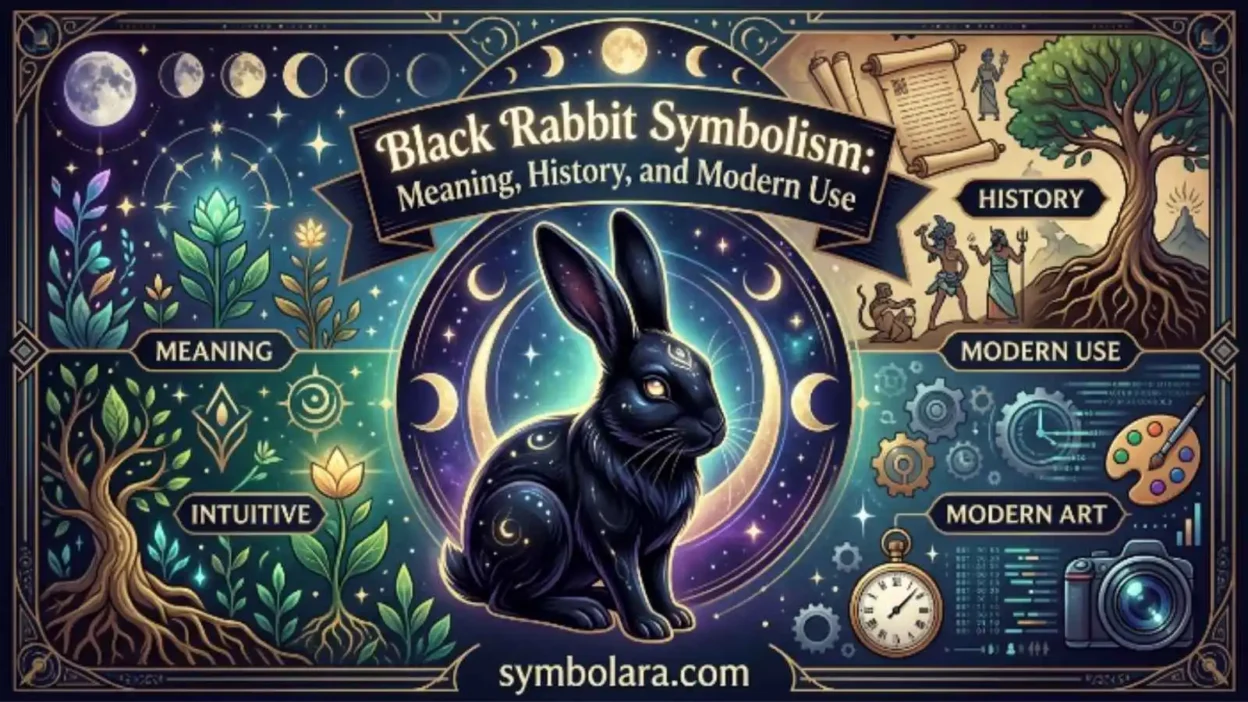
Black rabbits appear in folklore, dreams, tattoos, art, and modern pop culture with meanings that range from luck and intuition to secrecy and transformation. Unlike the white rabbit often linked to innocence or fantasy, the black rabbit carries a darker, more complex emotional tone that people in the United States often associate with mystery, independence, night, and hidden knowledge.
People are drawn to animal symbolism because animals often express emotions and ideas that are difficult to explain directly. Rabbits already carry strong symbolic weight in American culture through associations with fertility, speed, fearfulness, springtime, and survival. When the rabbit is black, those meanings shift. The color changes how the animal is interpreted emotionally and culturally.
Today, black rabbit imagery appears in tattoo culture, gothic fashion, fantasy stories, spiritual discussions, gaming aesthetics, and seasonal decor around Halloween. Some people see it as protective or intuitive, while others connect it with bad luck or death because of older European folklore. The meaning depends heavily on context.
Quick Answer
Black rabbit symbolism commonly represents mystery, intuition, independence, and transformation in modern American culture. Historically, black rabbits have also been linked to omens, magic, nighttime folklore, and hidden knowledge in European and Asian traditions.
TL;DR
- Black rabbits often symbolize mystery and intuition.
- The black color changes traditional rabbit symbolism dramatically.
- American culture connects them with gothic and alternative aesthetics.
- Folklore sometimes treated black rabbits as supernatural omens.
- Tattoos often represent survival, independence, or personal change.
- Meanings vary widely across cultures and historical periods.
What a Black Rabbit Looks Like Symbolically
A black rabbit combines two major symbolic elements: the rabbit and the color black.
Rabbits themselves are usually associated with quick movement, vulnerability, fertility, caution, and survival instincts. They are prey animals, which makes them symbols of alertness and adaptability. In American culture, rabbits are also linked to spring, childhood stories, and the Easter season.
Black changes that emotional tone. In symbolism, black often represents:
- secrecy
- the unknown
- grief
- elegance
- rebellion
- nighttime
- introspection
When combined, the black rabbit becomes less playful and more psychologically layered. Instead of innocence, it often suggests hidden emotion, quiet intelligence, emotional protection, or life changes happening beneath the surface.
Black Rabbit Symbolism Compared With Other Rabbit Colors
Black rabbit symbolism becomes clearer when compared with other rabbit colors because color strongly affects emotional interpretation.
A white rabbit is often connected with innocence, purity, imagination, and good fortune. This association comes from fairy tales, Easter traditions, and fantasy stories that present white rabbits as gentle or magical figures.
Brown rabbits usually represent nature, comfort, stability, and connection with the earth. Their natural coloring makes them feel familiar and grounded.
Gray rabbits often symbolize balance, adaptation, and neutrality because gray exists between light and darkness.
A black rabbit creates a different emotional response. Its dark coloring adds themes of mystery, privacy, independence, and transformation. While the rabbit itself still carries ideas of survival and sensitivity, the black color gives it a deeper and more introspective meaning.
In modern American symbolism, black rabbits are often chosen because they feel unique. They represent the idea that something gentle can also be strong, private, and powerful.
The Most Common Meaning in the United States
In the United States today, black rabbit symbolism is most commonly connected with mystery and personal independence.
Many Americans encounter the image through:
- tattoo art
- gothic fashion
- fantasy media
- indie music aesthetics
- Halloween imagery
- dream interpretation content online
Unlike black cats, black rabbits do not carry a universally negative superstition in the U.S. Most people see them as unusual rather than threatening. Their rarity also contributes to their symbolic appeal. A black rabbit often feels less ordinary than a brown or white rabbit, which gives it an identity tied to individuality and nonconformity.
For younger audiences especially, the symbol can communicate:
- emotional depth
- privacy
- creativity
- outsider identity
- quiet resilience
Ancient Roots and Early Folklore
Rabbit symbolism goes back thousands of years across many cultures. Ancient societies noticed rabbits’ speed, reproductive habits, and nocturnal behavior, which made them symbols of fertility, moon cycles, and survival.
The black rabbit specifically appears more often in medieval and early modern European folklore. In some regions of Britain and Ireland, black rabbits were associated with witches, spirits, or shape-shifting folklore. These stories developed partly because black animals in general were viewed suspiciously during periods of strong superstition.
Not every tradition viewed them negatively. Some communities believed encountering a black rabbit at night could signal hidden wisdom or spiritual protection. Folklore rarely treated symbols in a single consistent way.
In parts of old rural Europe, black rabbits appearing unexpectedly near homes or graveyards became associated with death omens. Historians generally view these beliefs as extensions of broader fears surrounding darkness, disease, and the unknown rather than evidence of a specific rabbit mythology.
Connections to the Moon and Night
Rabbits have long been linked to the moon because many species are active at dawn and dusk. Their behavior made them appear connected to nighttime cycles and shifting light.
Some Asian traditions, particularly Chinese and Japanese folklore, tell stories about moon rabbits living on the moon. These moon rabbits are not specifically black, but modern interpretations sometimes use darker rabbit imagery to emphasize mystery or cosmic symbolism.
The black rabbit therefore became associated with:
- nighttime intuition
- hidden truths
- dreams
- cycles of emotional change
In modern spiritual communities, especially online, people sometimes interpret the black rabbit as a guide through uncertain life periods. This interpretation is relatively new and blends older folklore with contemporary self-help and spiritual language.
Symbolism in Dreams
Dream symbolism involving black rabbits often focuses on emotional uncertainty or hidden instincts.
People commonly interpret black rabbit dreams as signs of:
- avoiding something emotionally important
- heightened intuition
- fear mixed with curiosity
- personal transformation
- social withdrawal
Because rabbits move quickly and disappear easily, dream analysts often associate them with fleeting opportunities or emotions that are difficult to confront directly.
A calm black rabbit in a dream may symbolize quiet confidence or inner awareness. An aggressive or frightened black rabbit may reflect anxiety, distrust, or emotional avoidance.
Dream interpretation varies heavily by personal experience, so the symbol does not carry a fixed universal meaning.
Black Rabbit Symbolism in Dreams: Different Situations and Meanings
The meaning of a black rabbit in a dream often depends on what the rabbit does and how the dreamer feels during the experience.
Common dream situations may represent different emotional themes:
- A peaceful black rabbit: Often interpreted as inner calm, intuition, or quiet confidence.
- A running black rabbit: May represent avoiding an issue, chasing an opportunity, or reacting quickly to change.
- A black rabbit entering a home: Some people interpret this as a symbol of personal emotions, private thoughts, or unexpected changes entering daily life.
- A frightened black rabbit: May reflect feelings of vulnerability, uncertainty, or emotional stress.
- A black rabbit watching silently: Can represent awareness, observation, or hidden knowledge.
Dream symbolism is personal rather than scientifically fixed. A black rabbit may represent fear for one person and courage or transformation for another. Personal memories, emotions, and life circumstances often influence the meaning.
Black Rabbit Symbolism in Tattoo Culture
Black rabbit tattoos have become increasingly common in alternative and minimalist tattoo styles.
People choose them for several reasons:
- overcoming fear
- surviving difficult periods
- embracing individuality
- honoring intuition
- balancing softness with strength
The contrast between the rabbit’s vulnerable nature and the dark coloring creates emotional complexity, which appeals to many tattoo enthusiasts.
Some tattoo designs emphasize gothic aesthetics with moons, stars, skulls, or forest imagery. Others use simple black silhouettes for a cleaner symbolic statement.
In American tattoo culture, the black rabbit often communicates that someone appears gentle externally but has emotional endurance underneath.
| Context | Meaning in the USA | Common Associations | Notes |
| Tattoos | Personal transformation | Independence, resilience | Popular in minimalist styles |
| Fashion | Alternative identity | Gothic aesthetics, mystery | Common in streetwear graphics |
| Dreams | Hidden emotions | Intuition, uncertainty | Meaning depends on dream context |
| Decor | Seasonal atmosphere | Halloween, nighttime themes | Often used in autumn decor |
| Pop culture | Fantasy and secrecy | Magic, rebellion | Seen in indie games and films |
Why Black Rabbits Appear in Gothic and Alternative Fashion
The black rabbit fits naturally into gothic and alternative aesthetics because it combines softness with darkness.
Gothic fashion frequently uses symbols that blur emotional categories:
- beautiful but unsettling
- innocent but dangerous
- vulnerable but defiant
The black rabbit embodies that contradiction well.
Designers and artists use rabbit imagery in:
- enamel pins
- hoodies
- jewelry
- tarot-inspired illustrations
- album art
Unlike harsher gothic symbols such as ravens or skulls, the rabbit keeps an emotional softness that feels more personal and introspective.
This balance has made black rabbit imagery especially popular among younger Americans interested in alternative identity and emotional self-expression.
Religious and Spiritual Interpretations
Black rabbit symbolism is not strongly tied to one major religion, but several spiritual interpretations exist.
In some modern pagan and nature-based spiritual practices, rabbits symbolize fertility, seasonal cycles, and instinctive wisdom. A black rabbit may represent:
- shadow work
- hidden emotional truth
- inner protection
- transformation through uncertainty
Some spiritual interpretations borrow loosely from Celtic folklore, although modern internet symbolism sometimes exaggerates or reshapes those traditions.
Christian symbolism historically focused more on rabbits generally rather than black rabbits specifically. Rabbits occasionally represented rebirth or purity because of associations with spring and Easter traditions.
The black rabbit itself does not hold a standardized Christian meaning in American religious life.
The Role of Color Psychology
The symbolism changes dramatically because the rabbit is black rather than white, gray, or brown.
In American color psychology, black can symbolize:
- sophistication
- rebellion
- grief
- privacy
- emotional control
That changes how people emotionally respond to the animal.
A white rabbit often feels magical, innocent, or whimsical because of its role in children’s stories and fantasy literature. A black rabbit feels more mature and psychologically guarded.
This shift explains why black rabbit imagery appears more often in adult fashion, psychological art, and darker storytelling genres.
Black Rabbits in Literature and Pop Culture
Modern pop culture often uses black rabbits to create emotional tension or symbolic ambiguity.
They appear in:
- horror imagery
- fantasy worlds
- indie video games
- psychological films
- surreal art
Creators use black rabbits because they feel familiar yet slightly unsettling. The animal itself is harmless, but the dark coloring creates uncertainty.
In visual storytelling, black rabbits can symbolize:
- hidden danger
- secrecy
- alternate realities
- emotional isolation
- transformation
American audiences are especially responsive to animal symbolism in visual media, which helps explain why the image remains popular online.
Black Rabbit Symbolism in Art and Visual Storytelling
Artists often use black rabbits because the image creates a strong contrast between softness and darkness.
A rabbit normally appears harmless and gentle, but the black color introduces mystery and emotional depth. This contrast allows artists to explore themes that feel complex rather than simple.
In visual storytelling, a black rabbit may represent:
- hidden parts of the self
- unanswered questions
- emotional change
- curiosity about the unknown
- movement between different worlds
Filmmakers, illustrators, and game creators often use black rabbits when they want viewers to feel curiosity instead of immediate fear. The symbol creates tension because it looks familiar but carries an unusual atmosphere.
This makes the black rabbit effective in fantasy, psychological storytelling, surreal art, and alternative design. Its meaning depends on the story around it, but it usually suggests something deeper beneath the surface.
Seasonal and Halloween Associations
Black rabbits frequently appear during Halloween alongside black cats, ravens, bats, and moons.
This connection comes largely from visual atmosphere rather than old American superstition. The dark fur fits autumn color palettes and nighttime themes.
Halloween decor sometimes uses black rabbits to create:
- enchanted forest imagery
- witch-themed aesthetics
- vintage folklore moods
- storybook horror visuals
Unlike black cats, black rabbits are rarely associated with strong bad-luck superstitions in the United States. Their symbolism is usually more mysterious than threatening.
Emotional and Psychological Meaning
Emotionally, black rabbit symbolism often centers on sensitivity combined with self-protection.
People may identify with the symbol when they feel:
- emotionally observant
- socially cautious
- independent
- misunderstood
- adaptable under stress
Rabbits survive through awareness rather than force. That survival style resonates with people who value emotional intelligence over dominance.
The black coloring adds emotional privacy. Together, the image often represents someone who notices everything but reveals little.
This psychological interpretation helps explain why the symbol appears frequently in personal art and online identity aesthetics.
Common Misunderstandings About the Symbol
One common misconception is that black rabbits always symbolize bad luck or evil.
Most modern American interpretations are far more nuanced. While some European folklore connected black animals with superstition, contemporary symbolism usually focuses on mystery, individuality, or emotional depth instead.
Another misunderstanding is that all rabbit symbolism is automatically positive or childlike. Rabbits can symbolize fear, instability, vulnerability, or avoidance depending on context.
Symbolism changes based on:
- culture
- historical period
- artistic setting
- personal interpretation
- color usage
A black rabbit in a horror film communicates something different from a black rabbit tattoo or decorative illustration.
How the Meaning Has Changed Over Time
Historically, black rabbits were more likely to appear in folklore tied to superstition or nighttime fears. Rural societies often treated dark-colored animals cautiously because darkness itself represented danger and uncertainty.
Over time, especially during the late 20th and early 21st centuries, American culture began reinterpreting darker symbols more positively.
Today, black rabbit symbolism often reflects:
- emotional complexity
- alternative identity
- creativity
- introspection
- quiet confidence
The rise of internet aesthetics, tattoo culture, indie gaming, and alternative fashion helped transform the image from something suspicious into something expressive and artistic.
Modern symbolism tends to value individuality more than conformity, which benefits symbols that once felt socially unusual or misunderstood.
FAQs
What does a black rabbit symbolize spiritually?
Spiritually, a black rabbit often symbolizes intuition, hidden emotions, and personal transformation. Some people also connect it with protection during uncertain life periods or emotional growth through introspection.
Is seeing a black rabbit good luck or bad luck?
In modern American culture, seeing a black rabbit is not widely considered bad luck. Older European folklore sometimes treated black rabbits as omens, but contemporary interpretations are usually more neutral or positive.
What does a black rabbit tattoo mean?
A black rabbit tattoo commonly represents resilience, independence, emotional sensitivity, or survival through difficult experiences. Many people also choose the symbol for its balance between softness and strength.
Are black rabbits connected to witchcraft?
Some historical folklore linked black rabbits with witches or supernatural beliefs, especially in parts of Europe. Modern use is usually aesthetic or symbolic rather than connected to actual religious practices.
Why are black rabbits popular in gothic culture?
Black rabbits fit gothic aesthetics because they combine innocence with darkness and vulnerability with mystery. They create emotional contrast without appearing overly aggressive.
Do black rabbits symbolize death?
Certain old superstitions connected black rabbits with death or nighttime spirits, particularly in rural folklore. However, most modern interpretations focus more on mystery, transformation, or emotional depth.
What is the difference between white rabbit and black rabbit symbolism?
White rabbits usually symbolize innocence, luck, fantasy, or spiritual guidance. Black rabbits tend to symbolize secrecy, intuition, independence, and emotional complexity.
Are black rabbits rare, and does that affect their symbolism?
The uncommon appearance of black rabbits contributes to their symbolic appeal. Their rarity often makes people associate them with uniqueness, individuality, and something outside the ordinary.
Conclusion
Black rabbit symbolism carries a mix of meanings shaped by folklore, color psychology, modern identity culture, and artistic interpretation. In the United States today, the image most often represents mystery, emotional awareness, individuality, and transformation rather than fear or bad luck.
The symbol’s appeal comes from contrast. Rabbits are naturally associated with softness and vulnerability, while the color black introduces privacy, seriousness, and uncertainty. Together, they create a symbol that feels emotionally layered and adaptable to many personal meanings.
As modern culture continues to embrace more individualized forms of symbolism, black rabbit symbolism remains relevant because it reflects something many people recognize in themselves: sensitivity paired with survival instinct, caution paired with curiosity, and quietness paired with inner strength.


[…] modern American culture, grey and black feathers are often interpreted as symbols of balance and transition. Many people connect the grey shade with calm thinking, maturity, and the […]