
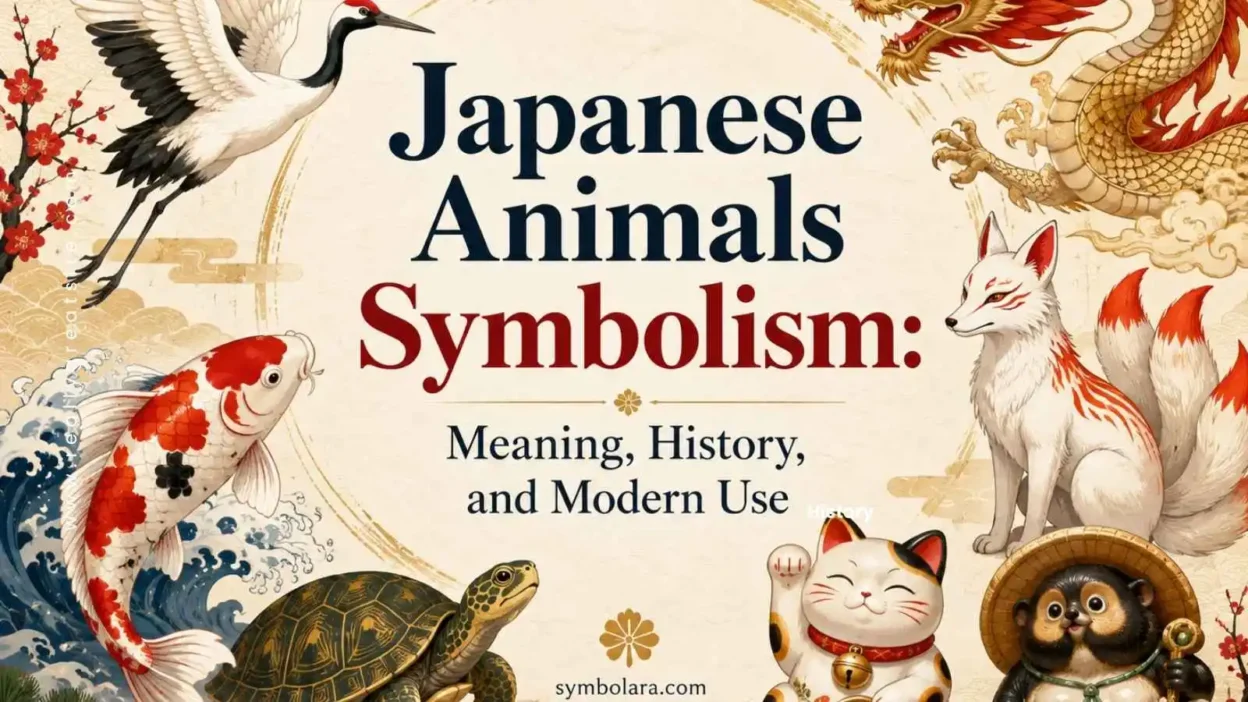
Japanese animals symbolism continues to draw attention because these creatures appear everywhere: shrine grounds, seasonal decorations, tattoos, anime, souvenirs, textiles, and social media. In the United States, people often recognize the crane, fox, koi, or lucky cat first, but the meanings behind them are older, more layered, and more culturally specific than a quick glance suggests.
In Japan, animals have long been tied to folklore, seasonal customs, shrine traditions, and visual design. Some are treated as divine messengers, some as lucky signs, and some as playful tricksters. Their symbolism is not all one thing: the same animal can represent protection in one setting, deception in another, and personal aspiration in a modern tattoo or fashion motif.
For American readers, that matters because Japanese animal imagery is now widely reused in décor, streetwear, wellness branding, and tattoo culture. Knowing the original meanings helps separate respectful use from flattened stereotypes.
Quick Answer
Japanese Animals Symbolism commonly refers, in modern U.S. understanding, to ideas like luck, perseverance, longevity, protection, and transformation, often represented by creatures such as koi, cranes, foxes, rabbits, and cats. Historically, these meanings grew from Japanese folklore, shrine traditions, seasonal customs, and visual art, where animals could act as divine messengers, moral symbols, or signs of fortune.
TL;DR
• Cranes and turtles often signal longevity and blessing.
• Koi usually stand for perseverance and upward progress.
• Foxes can mean protection, cunning, or shapeshifting power.
• Rabbits connect with the moon, fertility, and seasonal tradition.
• Deer and cats often symbolize sacred welcome or good fortune.
• U.S. use often simplifies meanings into lifestyle symbols.
What People Usually Mean by Japanese Animal Symbolism
When people talk about Japanese animal symbolism, they usually mean a set of culturally familiar meanings attached to certain animals in art and daily life. A crane suggests long life and peace. A koi suggests determination. A beckoning cat suggests luck in business. A fox suggests intelligence, trickery, or sacred association depending on context. Those meanings are common because they are visually repeated across generations in prints, gifts, festivals, textiles, and ritual spaces.
That repetition matters. Symbols become widely understood not only because of mythology, but because people keep seeing them in ordinary life. In Japan, animal symbolism is not tucked away in old stories alone. It lives in storefront figurines, shrine guardians, holiday decorations, and local identity.
Why Animals Matter So Much in Japanese Culture
Animals became symbolically important in Japan partly because older religious and folkloric traditions did not draw a hard line between the human world, the natural world, and the spiritual world. In Shinto settings especially, certain animals are linked with kami through messenger roles or sacred associations. Folklore then adds another layer by giving animals intelligence, moral force, or supernatural abilities.
This helps explain why Japanese animal symbolism can feel more relational than abstract. A deer is not only “nature.” In Nara, it is tied to shrine legend and sacred protection. A fox is not only “clever.” It can also be read through Inari imagery and shrine iconography. A rabbit is not only “cute.” It belongs to moon-viewing tradition and fertility symbolism.
The Animals Most Commonly Recognized Today
A broad topic like this works best when you focus on the animals most widely recognized in modern culture.
The crane is associated with longevity, fidelity, peace, and auspicious celebration. The koi is linked with perseverance, luck, and growth. The fox, or kitsune, carries meanings tied to cleverness, shapeshifting, and sacred association. The rabbit connects to the moon and, in some shrine contexts, fertility and healthy family life. The cat, especially as maneki-neko, signals welcome, prosperity, and good fortune. Deer suggest sacred presence and divine connection in places like Nara. Tanuki adds a different tone: humor, mischief, and the unstable line between appearance and reality.
American audiences often meet these symbols through design first. That makes them memorable, but it can also strip away context. A “cute fox” graphic and a shrine fox statue are not doing the same cultural work.
Japanese Mythical Animals and Their Symbolic Meanings
Japanese folklore includes many mythical animals and supernatural creatures that expand the meaning of ordinary animal symbols. These beings often appear in stories, paintings, theater, anime, and modern entertainment.
The kitsune is one of the most famous examples. While real foxes already carry symbolic meaning, mythical kitsune are known as intelligent shapeshifters with magical abilities. Stories often portray them as clever beings who can help humans, test their wisdom, or create confusion.
The tanuki is another important folklore creature. Unlike many Western tricksters who appear dangerous, the Japanese tanuki is often humorous and playful. It represents adaptability, cleverness, and the unpredictable nature of life.
Dragons also hold a powerful place in Japanese symbolism. Unlike Western dragons that are often linked with destruction, Japanese dragons are commonly connected with water, weather, protection, wisdom, and spiritual power.
Other legendary creatures, such as the baku, a dream-eating creature, show how animals became tools for expressing human fears, hopes, and imagination.
These mythical animals demonstrate that Japanese symbolism is not only about luck or beauty. It also explores deeper ideas about balance, transformation, and the relationship between humans and the unseen world.
The Crane and the Turtle as Symbols of Long Life
If one theme runs through Japanese animal symbolism more than any other, it may be longevity. The crane and turtle are classic examples. A long-standing Japanese proverb pairs them together as creatures associated with long life, happiness, and good fortune. Cranes also carry added meanings of loyalty and auspicious celebration, which is one reason they appear in wedding design and ceremonial art.
The crane’s symbolism expanded further in the modern era through origami. Today, especially in the United States, many people know the paper crane as a peace emblem. That association became global through the story of Sadako Sasaki and Hiroshima, where paper cranes came to represent hope, remembrance, and a wish for peace.
The turtle carries a calmer emotional tone. In Japanese visual culture it often signals steadiness, endurance, and a life that unfolds slowly but favorably. In some forms, especially the long-tailed minogame image, it becomes an unmistakable sign of longevity and blessing.
Koi as Perseverance, Aspiration, and Family Hope
Koi symbolism is one of the easiest for American readers to recognize because it transfers well into tattoos, gardens, and motivational imagery. In Japanese tradition, koi are linked with perseverance, good fortune, and the ability to move against difficulty. That is why carp streamers, or koinobori, are used on Children’s Day: they express hopes that children will grow strong, healthy, and resilient.
Emotionally, koi often communicate a very modern message: keep going. In U.S. tattoo culture, the fish is often chosen to symbolize personal struggle, discipline, or transformation after hardship. That use is not invented from nowhere; it fits the older association with swimming upstream and enduring resistance. What changes in the U.S. is the frame. The meaning becomes more individual and self-development focused than communal or seasonal.
The Fox as Sacred Messenger and Trickster
The fox is one of the most layered animals in Japanese symbolism. In folklore, kitsune are famous for intelligence, metamorphosis, and the ability to deceive or unsettle humans. That is the version many Americans encounter first through anime, fantasy, or horror-adjacent storytelling.
But the fox also carries sacred significance through its connection with Inari worship. Popular visual culture often treats the fox itself as the deity, but more accurately it is associated with Inari as a messenger figure. That gives fox imagery a double reading: sacred protection on one hand, cunning ambiguity on the other.
This is one of the best examples of why context matters. A white shrine fox can suggest guardianship, blessing, and rice-related prosperity. A fox in a folktale may suggest seduction, trickery, or the danger of misplaced trust. A fox tattoo in the United States might instead signal intelligence, independence, femininity, or spiritual intrigue.
Rabbits, the Moon, and Fertility
Rabbits hold a gentler place in Japanese animal symbolism. One major tradition places the rabbit in the moon, where it is imagined pounding mochi. This image is still taught to children and remains closely connected with moon-viewing custom.
In some shrine traditions, rabbits are also tied to fertility, safe childbirth, healthy families, and prosperity. That connection is especially visible in places where the rabbit functions as a local emblem rather than a generic cute animal.
In American use, rabbit symbolism from Japan often gets softened into ideas like innocence, luck, seasonal charm, or lunar beauty. That is not entirely wrong, but it misses the strong link between rabbit imagery, ritual calendars, and family-centered blessing.
Cats, Welcome, and Everyday Luck
Cats occupy a special place because they sit at the boundary between folklore and commerce. The maneki-neko, or beckoning cat, is one of the most recognizable Japanese symbols in the United States. Placed near entrances, it is widely understood to invite luck, wealth, or customers.
Its emotional effect is practical rather than grand. The lucky cat does not usually symbolize cosmic destiny. It signals welcome, thriving business, household luck, and friendly prosperity. That is one reason it travels so easily into restaurants, shops, tattoo flash, and social media graphics in the U.S. The image is simple, bright, and instantly readable.
At the same time, cat symbolism in Japan is not only cheerful. Folklore also includes supernatural cat figures, which reminds us that many Japanese animal symbols contain both comfort and unease.
Deer as Sacred Presence and Cultural Identity
Deer symbolism in Japan is strongly shaped by Nara, where deer have long been regarded as sacred messengers tied to Kasuga Taisha. Historically, they were protected with exceptional seriousness because of that religious connection.
That sacred status gives deer a distinct symbolic tone: grace, purity, reverence, and divine closeness. In U.S. culture, deer often symbolize gentleness or woodland calm. In the Japanese context, the meaning is more specifically tied to shrine history and holy presence.
This is also a good example of how place shapes symbolism. The same animal can mean one thing in a broad visual language and something much more specific in a local religious landscape.
Tanuki and the Symbolism of Playful Instability
Tanuki symbolism is harder to translate neatly into American terms, which is exactly why it is useful to include. In folklore, tanuki are shapeshifters and tricksters, often comic rather than sinister. Modern depictions often make them look friendly, round, and mischievous.
What do they symbolize? Flexibility, prankish intelligence, unpredictability, and sometimes good fortune. They can represent a world where appearances are unstable and seriousness should not always be trusted. In a culture that values social polish, the tanuki can work almost like a release valve: humorous, unruly, and happily disruptive.
In the U.S., tanuki symbolism is still niche. When it appears, it is often misunderstood as just another “cute woodland animal,” which leaves out its trickster role.
How These Meanings Changed Over Time
Japanese animal symbolism did not stay frozen. Meanings shifted as folklore mixed with religious practice, urban commerce, tourism, mass media, and international exchange. The crane moved from an auspicious long-life emblem into a modern peace symbol recognizable worldwide. The cat moved from folklore and charm tradition into global storefront branding. The koi moved from seasonal and familial symbolism into a personal resilience icon in international tattoo culture.
This evolution matters because modern meaning is not fake just because it is newer. It is still real symbolism. It simply reflects new settings and new audiences.
What These Symbols Often Communicate Emotionally
At an emotional level, Japanese animal symbols often communicate traits people want to invite into life rather than traits they simply admire from afar.
A crane suggests blessing and lasting bonds. A koi suggests effort with purpose. A fox suggests alertness and complexity. A rabbit suggests gentleness and renewal. A cat suggests welcome and practical good fortune. A deer suggests reverence and harmony. A tanuki suggests lightness and adaptive humor.
That is part of why these symbols travel so well into jewelry, tattoos, home décor, and digital identity. They give people a quick visual language for the kind of life or character they want to project.
Where Americans Commonly See Japanese Animal Symbolism Today
In the United States, Japanese animal symbolism now shows up in several familiar places. Tattoo culture is a major one, especially with koi, foxes, cranes, and lucky cats. Home décor uses cranes, turtles, and cats for calm or prosperity themes. Fashion and accessories often use foxes, rabbits, and cats because they are both meaningful and visually strong. Social media and pop culture flatten the imagery further, often turning a culturally specific symbol into a broader mood marker: lucky, peaceful, resilient, clever, cute, or mystical.
That broad reuse is not automatically disrespectful. Problems usually arise when people treat all Japanese animal symbols as interchangeable “Eastern spirituality” or ignore the difference between shrine imagery, folktale beings, and modern commercial icons.
Japanese Animal Symbolism in Tattoos: Meanings and Popular Designs
Japanese animal symbols are especially popular in tattoo culture because they combine strong visual designs with personal meaning. In the United States, people often choose these images to represent identity, personal growth, protection, or important life experiences.
The koi fish remains one of the most requested Japanese-inspired tattoo designs. Many people choose koi to represent perseverance, overcoming challenges, and continuing forward despite obstacles. A koi swimming upward or against waves often emphasizes determination and resilience.
The fox, or kitsune, is another common tattoo choice. Some people connect fox imagery with intelligence, independence, mystery, and adaptability. However, traditional Japanese meanings are more complex because foxes can represent both sacred protection and clever trickery depending on the story or setting.
Crane tattoos often represent peace, longevity, hope, and lasting relationships. They are also connected with the cultural meaning of origami cranes, which many people associate with remembrance and peace.
Lucky cat tattoos usually focus on themes of prosperity, welcome, and positive opportunities. Meanwhile, rabbit tattoos may represent renewal, lunar symbolism, gentleness, and family blessings.
For respectful use, it helps to understand that Japanese animal tattoos are not just decorative images. Each animal comes from a larger history of folklore, religion, seasonal traditions, and artistic expression.
Common Misunderstandings and Misuse
One common mistake is assuming every Japanese animal symbol has one fixed meaning. That is rarely true. Foxes are the clearest example: they can mean sacred service, deception, intelligence, seduction, or magical power depending on the setting.
Another mistake is confusing popularity with authenticity. A lucky cat used in an American coffee shop may still reflect Japanese symbolism, but it does not carry the same weight as an image used in a temple, shrine-adjacent setting, or inherited family practice.
A third mistake is turning all symbolism into vague spirituality. Japanese animal symbols are often concrete. They point to business luck, safe childbirth, family wishes, peace memorials, harvest gratitude, or sacred guardianship. Those meanings are more specific, and more interesting, than generic language about “energy.”
Quick Comparison Table
| Animal | Meaning in the USA | Common Associations | Notes |
| Crane | Peace, long life, hope | Origami, weddings, remembrance | In Japan also tied to longevity and fidelity |
| Koi | Perseverance, ambition | Tattoos, ponds, growth imagery | Linked with Children’s Day and family hopes |
| Fox | Cleverness, mystery | Tattoos, fantasy, independence | In Japan also tied to Inari and shrine imagery |
| Rabbit | Luck, softness, moon imagery | Lunar art, spring design, family themes | In Japan strongly linked to moon folklore |
| Lucky cat | Prosperity, welcome | Shops, restaurants, home décor | Everyday symbol of invited fortune |
| Deer | Gentleness, sacred calm | Nature, heritage travel, spirituality | In Nara, tied to shrine tradition and divine presence |
Why the U.S. Interpretation Is Similar but Not Identical
American interpretations usually focus on what a symbol says about the individual. A koi becomes your perseverance. A fox becomes your personality. A crane becomes your peace. That personal reading makes sense in a culture where symbols are often used for self-expression.
Japanese meanings often include that personal side, but they are also more communal and situational. The same symbol may connect to a holiday, shrine, household, local tradition, or public ritual. In other words, U.S. readings often move inward, while Japanese readings often remain tied to place, season, and shared custom.
FAQs
What do Japanese animals symbolize overall?
Japanese animals often symbolize luck, longevity, protection, perseverance, sacred connection, or transformation. The exact meaning depends on the specific animal and the context in which it appears.
What does a fox symbolize in Japan?
A fox can symbolize cleverness, shapeshifting, and trickery, but it can also carry sacred meaning through its association with Inari. That is why fox imagery can feel protective in one context and unsettling in another.
Why is the crane so important in Japanese symbolism?
The crane is strongly associated with longevity, good fortune, and fidelity, which is why it appears in celebratory and ceremonial design. In the modern era, paper cranes also became internationally recognized symbols of peace through Hiroshima memory culture.
What does a koi fish symbolize in Japanese culture?
Koi usually symbolize perseverance, luck, and the strength to move through difficulty. In holiday tradition, carp streamers express hopes for children’s health, courage, and success.
Is the lucky cat really a Japanese symbol?
Yes. The maneki-neko is a Japanese good-luck figure associated with welcoming customers, inviting prosperity, and protecting favorable fortune in homes and businesses.
What does the rabbit symbolize in Japan?
The rabbit is closely linked to the moon in Japanese folklore and is also associated in some settings with fertility, family well-being, and prosperity. Its meaning is gentler than that of the fox or tanuki, but still culturally specific.
Are Japanese animal tattoo meanings the same as traditional meanings?
Not always. Tattoo meanings in the United States often emphasize personal identity and self-expression, while traditional meanings may be tied more closely to ritual, folklore, season, or sacred place. The overlap is real, but the emphasis often changes.
What does a Japanese dragon symbolize?
Japanese dragons usually symbolize wisdom, protection, water, and natural power. Unlike many Western dragon stories, Japanese dragons are often viewed as powerful but beneficial beings connected with balance and harmony.
Conclusion
Japanese Animals Symbolism is best understood not as a single codebook, but as a living collection of meanings shaped by folklore, ritual, art, and everyday life. Animals such as the crane, koi, fox, rabbit, cat, deer, and tanuki each carry distinct messages, from longevity and luck to cleverness, sacred presence, and resilience.

[…] tattoos are among the most recognizable forms of animal symbolism in modern body art. Their meaning varies from person to person, but many designs connect with themes of […]
[…] Indigenous groups in North America also viewed hummingbirds as meaningful animals. Certain traditions associated them with healing, love, or bringing good fortune, although […]