


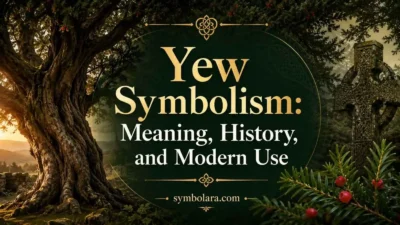
Yew Symbolism: Meaning, History, and Modern Use
Yew Symbolism centers on one of the most unusual trees in cultural memory: an evergreen that can live for centuries, grow in shadow, produce…
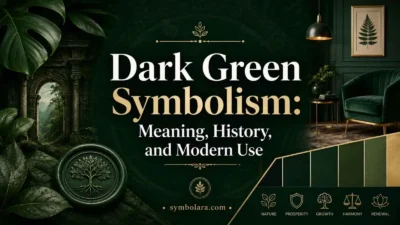
Dark Green Symbolism: Meaning, History, and Modern Use
Dark Green Symbolism usually centers on nature, stability, wealth, maturity, and quiet strength. Unlike bright green, which often feels fresh…
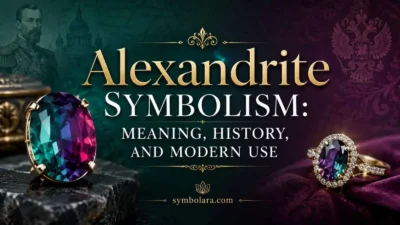
Alexandrite Symbolism: Meaning, History, and Modern Use
Alexandrite Symbolism centers on change, balance, rarity, and personal transformation. The gemstone is best known for its unusual color shift:…
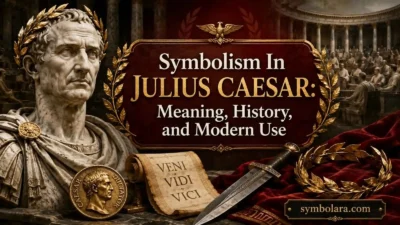
Symbolism In Julius Caesar: Meaning, History, and Modern Use
Symbolism In Julius Caesar helps readers understand Shakespeare’s play as more than a political murder story. The play uses blood, storms,…
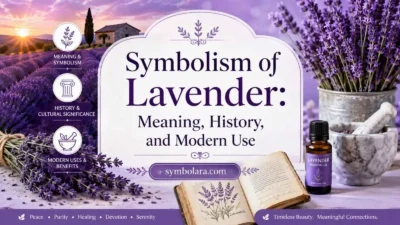
Symbolism of Lavender: Meaning, History, and Modern Use
Lavender is one of the rare symbols Americans understand through several senses at once: its soft purple color, its clean herbal scent, its…
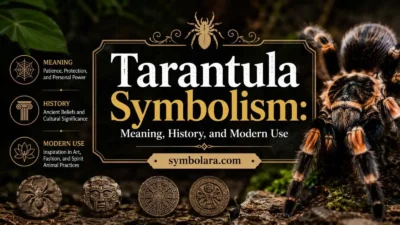
Tarantula Symbolism: Meaning, History, and Modern Use
Tarantula symbolism explores how one of the world’s most recognizable spiders has come to represent ideas such as patience, protection,…
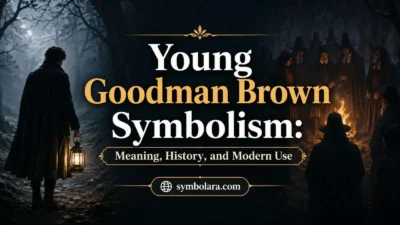
Young Goodman Brown Symbolism: Meaning, History, and Modern Use
Nathaniel Hawthorne’s “Young Goodman Brown” is one of the most discussed short stories in American literature because nearly every detail…
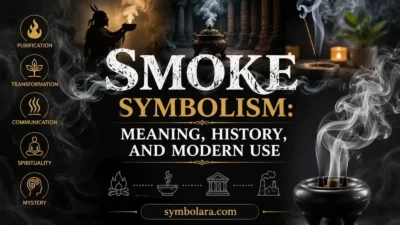
Smoke Symbolism: Meaning, History, and Modern Use
Smoke is one of the most flexible symbols in American culture because it can mean danger, mystery, prayer, memory, or change depending on…
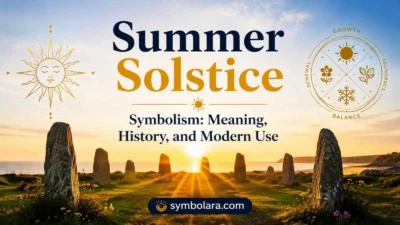
Summer Solstice Symbolism: Meaning, History, and Modern Use
The Summer Solstice Symbolism represents the ideas people connect with the longest day of the year, including growth, abundance, renewal,…
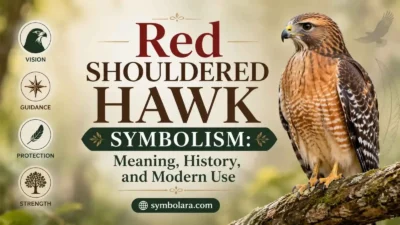
Red Shouldered Hawk Symbolism: Meaning, History, and Modern Use
Red Shouldered Hawk Symbolism centers on alertness, protection, clear perception, and the need to pay attention to what is happening close to…