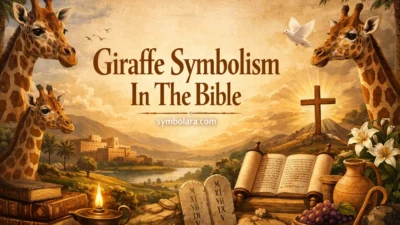
A giraffe can reach nearly 18 feet tall, making it the tallest living land animal. Its long neck, spotted coat, gentle movements, and ability to see across open grasslands make it one of Africa’s most recognizable animals. For many people, these features bring to mind grace, awareness, patience, and a broad view of life.
The meaning of this animal is especially interesting when viewed through African history and cultural traditions. Giraffes appear in African rock art, traditional visual culture, stories, and modern artwork. However, there is no single meaning shared by every African community. Different regions and communities have their own relationships with wildlife.
Interest in giraffe symbolism in African cultures has also reached American art, fashion, tattoos, home decoration, and wildlife conservation. Understanding its background helps separate documented cultural connections from newer personal interpretations.
Quick Answer
Giraffes commonly symbolize grace, awareness, patience, gentleness, and the ability to see beyond immediate challenges in modern American culture. In African history, their image has appeared in prehistoric rock art and regional artistic traditions, although specific meanings differ between communities and cannot be reduced to one shared belief.
TL;DR
- Giraffes often represent grace, awareness, patience, and individuality.
- African rock art provides evidence of their long cultural presence.
- Their meanings vary across African regions and communities.
- American culture often connects giraffes with kindness and uniqueness.
- Giraffe patterns appear in fashion, art, tattoos, and home decor.
- Wildlife conservation has added environmental meaning to the animal.
What Makes the Giraffe Such a Recognizable Animal?
The giraffe has a body shape that is difficult to confuse with any other animal. Its exceptionally long neck, tall legs, spotted coat, small horns called ossicones, and large eyes give it a distinctive appearance.
Giraffes live in several parts of sub-Saharan Africa, including savannas, open woodlands, and areas with scattered trees. They feed mainly on leaves, especially those growing on acacia trees. Their height allows them to reach food that many other grazing animals cannot easily access.
Several physical features influence how people interpret the animal:
- Long neck: Often associated with looking ahead, awareness, and reaching higher goals.
- Height: Can suggest confidence, visibility, and the ability to notice distant changes.
- Spotted coat: Represents individuality, natural variety, and distinctive beauty.
- Gentle appearance: Encourages associations with calmness and kindness.
- Long legs: Can suggest movement, balance, and steady progress.
These are common symbolic interpretations, not fixed meanings shared by all African communities.
One interesting detail is that giraffes have seven neck vertebrae, the same number as most other mammals, including humans. Their unusual height comes from the exceptional length of those bones rather than having more of them.
What Does the Giraffe Symbolize Today?
In contemporary American culture, the giraffe is generally viewed as a positive animal symbol. Its appearance and behavior inspire several meanings that people use in personal art, gifts, clothing, and decorative designs.
Grace and Elegance
A giraffe moves with a distinctive combination of long strides and controlled movements. Even when walking across uneven ground, its body creates an appearance of balance and elegance.
People often connect this quality with remaining composed during difficult situations. A giraffe image may represent someone who values calm behavior, thoughtful decisions, and confidence without aggression.
Awareness and Perspective
The giraffe’s height gives it a broad view of its surroundings. This physical feature has inspired the modern idea of seeing situations from a wider perspective.
For example, someone choosing a giraffe tattoo might use it as a personal reminder to consider the bigger picture before reacting to a problem.
Patience and Gentle Strength
Despite its size, the giraffe is usually portrayed as a peaceful animal. It is not a predator and generally avoids unnecessary conflict.
This contrast between physical size and gentle behavior makes it an appealing representation of quiet strength. It suggests that a person does not need to be aggressive to show confidence.
Individuality and Acceptance
Every giraffe has a distinctive pattern of spots. Although the markings differ among species and individuals, they help make each animal recognizable.
In modern art and personal expression, this feature often represents accepting differences rather than trying to look like everyone else.
How Did Giraffes Appear in Early African History?
The relationship between African people and giraffes goes back thousands of years. Long before modern wildlife photography and illustrated books, people recorded animals through paintings, engravings, and other forms of visual expression.
One of the most important sources of evidence comes from prehistoric African rock art.
Giraffes in Saharan Rock Art
The Sahara was not always the extremely dry desert familiar today. During earlier periods, parts of the region supported grasslands, lakes, rivers, and wildlife.
Rock art from areas such as the Tassili n’Ajjer region in present-day Algeria includes images of animals that lived in these changing environments. Giraffes appear among the wildlife represented in prehistoric paintings and engravings.
These images demonstrate that people observed and recorded giraffes as part of their surroundings.
However, researchers cannot always determine the exact meaning of an individual animal image. Some artwork may have recorded everyday wildlife, while other images may have carried social, spiritual, or ceremonial importance.
It would be inaccurate to claim that every prehistoric giraffe drawing represented a particular belief.
Southern African Rock Engravings
Giraffes also appear in prehistoric rock engravings in parts of southern Africa.
These images provide evidence of the animal’s importance in the visual world of earlier communities. Rock engravings were sometimes created alongside representations of other wildlife, including antelope and elephants.
The meaning of these images depends on their location, artistic style, and cultural setting. Some may reflect close observation of local animals, while others may have had meanings that are no longer fully understood.
Together, these records show that giraffes were part of African visual history long before they became familiar symbols in international advertising and popular culture.
What Did Giraffes Represent in Traditional African Communities?
There is no single traditional African interpretation of the giraffe. Africa contains thousands of cultural communities, each with different languages, histories, artistic practices, and relationships with wildlife.
Some communities lived close to giraffe habitats, while others encountered them less often. Their experiences naturally influenced how animals appeared in local stories, artwork, and everyday life.
It is important to distinguish documented cultural practices from symbolic meanings created by modern writers.
Connection to the Natural Environment
For communities living near savannas and open woodlands, giraffes were part of the surrounding environment.
Their feeding habits, movement, height, and behavior made them recognizable features of local wildlife. Animal knowledge could also have practical value, helping people understand their surroundings.
In this setting, a giraffe image might reflect familiarity with the natural world rather than a specific spiritual message.
Giraffes in African Visual Traditions
Animal imagery plays an important role in many African artistic traditions. Depending on the region, wildlife appears in rock art, carved objects, textiles, paintings, and contemporary sculpture.
Giraffes are especially suitable for visual representation because their body shape is so distinctive. Their long necks and spotted coats make them recognizable even in simplified designs.
A modern African artist may use the animal to communicate environmental concerns, regional identity, or personal experiences. However, the meaning of a particular artwork should be understood through the artist’s own explanation and cultural background.
Why a Single African Meaning Is Misleading
One common mistake is describing all African cultures as if they share one system of animal symbolism.
For example, a giraffe design created by a contemporary artist in Kenya does not automatically represent the beliefs of communities in Botswana, Tanzania, or South Africa.
The same caution applies to claims that giraffes traditionally represented royalty, spiritual protection, or good fortune across Africa. Such claims need evidence from a specific community or historical source.
A more accurate approach recognizes the animal’s long presence in African culture without assigning one meaning to an entire continent.
Why the Giraffe Has a Special Place in American Culture
Most Americans encounter giraffes through zoos, wildlife documentaries, children’s books, nature programs, and educational materials.
Unlike animals such as wolves, bears, or eagles, giraffes are not closely connected to American wilderness. They are usually understood as African wildlife, which gives them an additional connection to international nature education and conservation.
Their popularity also comes from their unusual appearance and generally approachable image.
Children’s Learning and Childhood Memories
Giraffes are common characters in children’s books, toys, nursery decorations, and educational television.
Their tall bodies and friendly-looking faces make them easy for children to recognize. Parents may choose giraffe-themed decorations for a nursery because the animal suggests gentleness, curiosity, and a connection to nature.
A stuffed giraffe can also become a childhood keepsake associated with comfort and family memories.
Zoos and Wildlife Education
American zoos have helped introduce millions of visitors to giraffes and their natural habitats.
Seeing a giraffe in person gives visitors a better understanding of its actual size, feeding behavior, and movement. Educational programs often use the animal to discuss African ecosystems, habitat loss, and biodiversity.
In this setting, the giraffe represents both wildlife appreciation and the importance of protecting animals outside their natural habitats.
African-Inspired Art and Decoration
Giraffe patterns are frequently used in American home decoration, including wall prints, rugs, cushions, sculptures, and decorative accessories.
Some designs draw inspiration from African wildlife photography or contemporary African artwork. Others use the familiar spotted pattern as a general nature-inspired decoration.
These styles should not automatically be described as traditional African designs. A genuine cultural connection depends on the artwork’s origin, creator, and design history.
How Giraffe Patterns Influence Art, Fashion, and Design
The giraffe’s coat is one of its most recognizable features. Its irregular patches create a natural pattern that artists and designers can adapt for different purposes.
Unlike simple stripes or repeating geometric shapes, giraffe markings have an organic appearance. This makes them suitable for both realistic illustrations and abstract designs.
In American fashion and interior design, giraffe-inspired patterns can communicate several ideas:
- Natural beauty: A connection to wildlife and the outdoors.
- Individual style: A preference for unusual patterns rather than ordinary prints.
- Adventure: An association with travel, African landscapes, and exploration.
- Visual confidence: A design choice that attracts attention without requiring bright colors.
Giraffe patterns sometimes appear on handbags, shoes, scarves, notebooks, and decorative fabrics.
However, a giraffe print is not the same as a traditional African textile pattern. Designers should avoid presenting a commercially created animal print as an authentic cultural textile without evidence.
What Does a Giraffe Mean Emotionally and Psychologically?
People often connect with animals because their physical characteristics reflect qualities they admire or want to develop.
The giraffe offers an interesting example. It is large but generally gentle, unusual but recognizable, and physically capable of seeing over obstacles.
These characteristics can create personal associations.
Feeling Different Without Feeling Alone
A giraffe stands out in almost any setting. Its height and markings make it different from most other animals.
People who have felt unusual or misunderstood may connect with this appearance. A giraffe image can become a reminder that being different does not mean being less valuable.
For a teenager, for example, a giraffe illustration on a notebook might represent confidence in personal identity.
Looking Beyond Immediate Problems
The animal’s height has also inspired a connection with broader thinking.
Someone dealing with a difficult decision may appreciate the idea of stepping back and examining the situation before choosing what to do.
This is a modern personal interpretation rather than a documented universal African belief.
Strength Without Aggression
The giraffe does not need to behave like a predator to survive. Its size, physical abilities, and awareness help it respond to its environment.
For some people, this creates an appealing image of confidence without hostility.
It can represent the belief that a calm person can still have boundaries, determination, and self-respect.
Why Do People Choose Giraffe Tattoos?
Giraffe tattoos are popular with people who appreciate wildlife, unusual animal designs, and personal symbolism.
The design can be simple or detailed, depending on the message the wearer wants to communicate.
A small outline of a giraffe may represent individuality, while a detailed portrait can express admiration for African wildlife.
Common design choices include:
- Full-body giraffe: Often chosen to represent confidence, individuality, and personal growth.
- Giraffe family: Can communicate family connection, parental affection, and togetherness.
- Giraffe with a calf: May represent care, protection, and the relationship between parent and child.
- Giraffe silhouette: Offers a simple reminder of perspective and patience.
- Giraffe with an African landscape: Can express a personal connection to African wildlife, travel, or conservation.
People should also consider cultural context when choosing designs based on specific African artistic traditions. If a tattoo uses a recognizable community-specific motif, understanding its background and respecting its origin is important.
Where Else Do Giraffes Appear in Modern American Life?
Beyond tattoos and clothing, giraffes have become familiar figures in several areas of American culture.
Jewelry and Personal Gifts
Giraffe pendants, earrings, bracelets, and small decorative charms are common gift choices.
A person may give a giraffe necklace to a friend who loves animals or enjoys unusual accessories. Parents may also choose giraffe-themed gifts for children.
The meaning usually comes from the relationship between the giver and receiver rather than an established cultural tradition.
Home Decoration
Giraffe artwork can add a wildlife theme to bedrooms, nurseries, offices, and living spaces.
Some people choose realistic photographs, while others prefer cartoon illustrations or abstract spotted designs.
A giraffe sculpture can also serve as a conversation piece because of its unusual shape.
Social Media and Digital Illustration
On social media platforms, giraffes appear in animal photography, educational posts, illustrations, memes, and wildlife conservation campaigns.
Their recognizable appearance makes them useful for visual communication. A single photograph can quickly attract attention to topics such as habitat protection or endangered wildlife.
Branding and Advertising
Businesses sometimes use giraffes in logos, children’s products, educational materials, and nature-related branding.
Their friendly appearance can help communicate approachability, curiosity, and uniqueness.
However, a commercial logo does not necessarily carry historical African symbolism. Its meaning depends on the company’s intended message and audience.
How Giraffe Meanings Change Across Different Contexts in the USA
A giraffe can communicate different ideas depending on where and how someone uses its image.
| Context | Meaning in USA | Common Associations | Notes |
| Tattoos | Individuality and personal growth | Confidence, perspective, patience | Often connected to personal experiences |
| Nursery decoration | Warmth and childhood comfort | Kindness, curiosity, affection | Popular in children’s rooms |
| African wildlife artwork | Appreciation of nature and cultural heritage | Biodiversity, regional identity, wildlife | Meaning depends on the artist and origin |
| Jewelry | Personal affection and uniqueness | Friendship, family, individuality | Often selected as a meaningful gift |
| Conservation campaigns | Environmental responsibility | Habitat protection, biodiversity | Connects the animal to real conservation concerns |
| Business branding | Approachability and recognition | Curiosity, friendliness, distinction | Usually reflects modern commercial choices |
What Are the Misunderstandings About Giraffe Symbolism?
Several popular claims about giraffes sound convincing but need a closer look.
Every African Culture Gives the Giraffe the Same Meaning
This is incorrect. African communities have different histories, languages, environments, and artistic traditions.
A meaning associated with one community cannot automatically be applied to another.
Giraffes Always Represent Spiritual Protection
There is no sound basis for claiming that spiritual protection is a universal traditional African meaning of the giraffe.
Some individuals may use giraffe images in personal spiritual artwork, but that does not establish a shared historical belief.
Giraffe Prints Are Traditional African Patterns
Giraffe-inspired commercial prints are often used in products described as African-themed. However, animal markings and traditional textile designs are different things.
Specific African textiles have their own regional histories, techniques, and cultural associations.
A Giraffe Always Represents Good Luck
Some people give giraffe-themed gifts because they associate the animal with positive qualities. Others may use it as a personal good-luck charm.
These interpretations are personal or contemporary. They should not be presented as a documented belief shared across African societies.
Distinguishing modern personal meaning from historical evidence makes discussions of animal symbolism more accurate and respectful.
How Has Giraffe Symbolism Changed Over Generations?
The way people understand giraffes has changed as travel, education, media, and conservation awareness have developed.
Prehistoric Period: Animals in the Landscape
Early African rock art shows that giraffes were represented by people living in environments where these animals existed.
The images provide evidence of observation and artistic expression, although their precise meanings are not always known.
Nineteenth and Early Twentieth Centuries: Growing International Interest
As European exploration, colonial expansion, museums, zoos, and printed natural history publications brought African wildlife to wider audiences, giraffes became increasingly familiar outside Africa.
These historical developments also need to be viewed in the context of colonial attitudes toward African land, wildlife, and cultural knowledge.
Mid-Twentieth Century: Popular Education and Entertainment
During the twentieth century, wildlife documentaries, children’s publishing, illustrated books, and zoo education helped establish the giraffe as a recognizable animal in American popular culture.
Its friendly appearance made it especially suitable for children’s entertainment and learning materials.
Twenty-First Century: Conservation and Personal Identity
More recent interpretations include environmental awareness, wildlife photography, animal welfare, and individual expression.
Social media has also made it easier for artists and conservation groups to share giraffe-related content with international audiences.
By 2025–2026, the animal remains a familiar image in American design and education, while conservation discussions have brought greater attention to the challenges facing wild giraffe populations.
Why Giraffe Conservation Adds Another Layer of Meaning
A discussion of giraffe symbolism should also consider the real animal and the conditions in which it lives.
Giraffe populations face several challenges, including habitat loss, habitat fragmentation, illegal hunting, and human-wildlife conflict.
Their conservation status is not identical across all populations. Different giraffe species and regional populations face different levels of risk.
This distinction matters because a giraffe image can represent more than an attractive animal. It can also remind people that wildlife needs healthy habitats and long-term protection.
In the United States, conservation organizations, zoos, educators, and wildlife photographers use giraffe images to encourage public interest in African ecosystems.
For some Americans, supporting wildlife conservation gives the animal a personal meaning connected to responsibility and environmental care.
FAQs
Is giraffe symbolism in African cultures positive or negative?
Giraffes are often viewed positively in modern artistic and personal interpretations, but there is no single traditional meaning shared across Africa. The meaning of a particular giraffe image depends on its cultural setting, creator, and purpose.
Does the giraffe have a religious meaning in Africa?
There is no universal African religious meaning associated with giraffes. Specific communities may have their own relationships with animals and nature, but claims about religious symbolism need evidence from the particular tradition being discussed.
Why are giraffes important in African rock art?
Giraffes appear in prehistoric rock paintings and engravings in several African regions. These images provide evidence of the animals’ presence in earlier environments and the role of wildlife in human visual expression.
What does a giraffe represent as a gift?
A giraffe-themed gift can communicate affection, uniqueness, curiosity, or admiration for wildlife. For a child, it may be a comforting animal-themed present, while an adult may appreciate it as a reminder to maintain perspective.
Are giraffes considered symbols of wisdom?
Some modern interpretations connect the giraffe’s height with observation, awareness, and the ability to see a larger situation. However, describing wisdom as a universal traditional African meaning would go beyond the available evidence.
Why are giraffes popular in American nurseries?
Their friendly appearance, unusual shape, and recognizable spots make them attractive choices for children’s rooms. Giraffe toys and decorations also fit popular nature, safari, and animal-themed nursery designs.
Do giraffes symbolize African identity?
Giraffes can represent African wildlife and landscapes in art, photography, and conservation campaigns. However, they do not represent every African culture or serve as a universal symbol of African identity.
Conclusion
Giraffe symbolism in African cultures has a long visual history, supported by prehistoric rock paintings and engravings that show the animal’s place in earlier African environments. Its cultural meaning, however, cannot be reduced to one belief shared by every community. Regional traditions, artistic practices, and individual experiences all influence how the animal is understood.
In modern America, giraffes commonly represent grace, patience, awareness, individuality, and gentle confidence. They also appear in children’s decorations, tattoos, jewelry, wildlife education, and conservation campaigns. Some of these meanings come from the animal’s physical characteristics, while others reflect contemporary personal choices.
A giraffe’s unusual height may be what first catches someone’s attention, but its appeal goes beyond appearance. It reminds people that standing out, remaining calm, and paying attention to the world around them can all be worthwhile qualities.