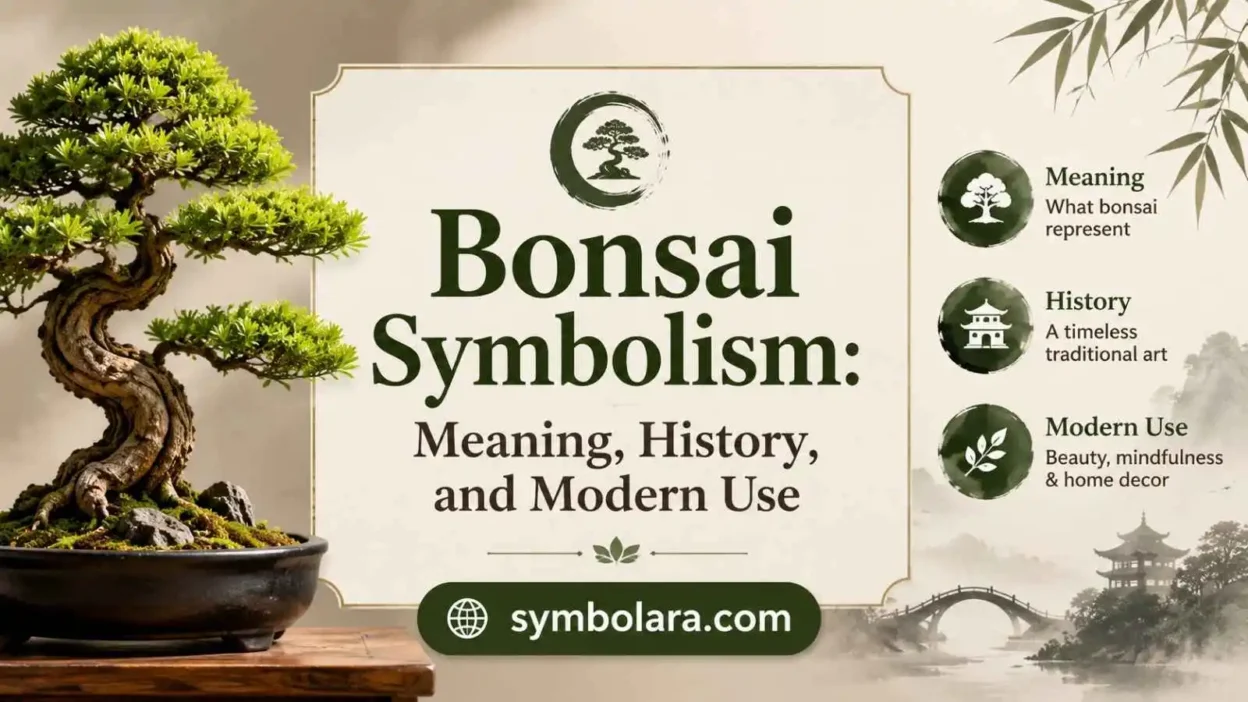
Bonsai Symbolism reflects patience, discipline, and the human desire to shape nature with care rather than force. In modern American culture, people connect bonsai trees with mindfulness, focus, and intentional living. The idea becomes especially meaningful in a fast-paced world where slow growth feels increasingly rare.
A bonsai tree grows through careful shaping over many years. Growers prune, guide, and train it, but they never erase its natural character. That balance between human effort and natural development gives bonsai its symbolic weight across cultures and generations.
In the United States today, people use bonsai as more than decoration. They treat it as a reminder of patience, responsibility, and steady progress in personal life.
Quick Answer
Bonsai Symbolism represents patience, discipline, and harmony between human effort and natural growth in modern American culture. It also reflects East Asian traditions that value balance, simplicity, and long-term care in shaping living things.
TL;DR
- Represents patience built through long-term care
- Originates from East Asian horticultural traditions
- Reflects harmony between people and nature
- Used in U.S. mindfulness and design culture
- Symbol of discipline and controlled growth
- Connects to personal development and reflection
What a Bonsai Tree Actually Represents
A bonsai tree represents a living process shaped by time and care. Growers do not force it into instant form. Instead, they guide its growth step by step.
This process teaches an important idea: meaningful structure develops slowly. Each branch, leaf, and curve reflects repeated attention rather than sudden change. People often connect this with real-life growth, where habits and decisions shape outcomes over time.
Bonsai also shows restraint. Instead of allowing unchecked growth, the caretaker selects what to keep and what to remove. That decision-making process creates meaning as much as the tree itself.
Bonsai Tree Symbolism by Color and Species
Different bonsai species can carry slightly different symbolic meanings depending on their appearance, cultural associations, and personal interpretation. While all bonsai trees share themes of patience and balance, certain varieties have developed unique connections over time.
A pine bonsai is often associated with endurance and longevity because pine trees remain green throughout the year and survive harsh conditions. Japanese traditions have long connected pine trees with strength and resilience.
A cherry bonsai can represent beauty, renewal, and the temporary nature of life. Its blossoms remind people that meaningful moments can be powerful even when they do not last forever.
Ficus bonsai trees are popular in homes because they adapt well to indoor environments. Many people associate them with stability, growth, and the ability to adjust to changing conditions.
The meaning of a bonsai often depends on both the species and the relationship a person develops with the tree.
How Bonsai Became a Symbol of Patience and Discipline
Bonsai became linked with patience because it demands long-term commitment. A single tree can take decades to develop into a refined form. This slow transformation naturally builds symbolic meaning.
Discipline plays an equally important role. Growers must return to the tree regularly, adjust its shape, and maintain its balance. If they neglect it, the structure changes or weakens.
This relationship between care and outcome creates a clear message: consistent effort matters more than intensity. People often apply this idea to education, careers, and personal development.
Early Roots in East Asian Cultivation Practices
Bonsai originated from early miniature tree cultivation practices in China and later developed into a refined art form in Japan. These early practices focused on shaping nature in controlled environments while still respecting its natural patterns.
Over time, Japanese gardeners refined techniques that emphasized proportion, balance, and subtle beauty. They did not treat bonsai as a shortcut to nature but as a way to study it closely.
These traditions influenced how people understood bonsai emotionally. The tree became a reflection of time, effort, and careful observation rather than quick decoration.
Japanese Aesthetic Principles and Bonsai Meaning
Japanese aesthetics shaped bonsai into more than a gardening practice. Designers and gardeners focused on simplicity, asymmetry, and natural imperfection.
The idea of wabi-sabi influenced this approach by encouraging acceptance of aging, irregularity, and natural change. Bonsai trees reflect this mindset because they never look perfectly uniform or static.
Each tree shows history in its structure. A bent branch or uneven trunk tells a story of time and care rather than flaw or damage.
Balance Between Human Control and Natural Growth
Bonsai creates meaning through balance rather than dominance. The caretaker guides the tree, but the tree still grows according to its biological nature.
This balance shows cooperation instead of control. The human shapes direction, but the tree provides its own limits and responses.
People often interpret this relationship as a metaphor for life. Personal growth works the same way: intention matters, but natural conditions and time also shape outcomes.
Bonsai Symbolism in Modern American Culture
In the United States, people often interpret bonsai through lifestyle and emotional lenses. Many associate it with calm environments, focused routines, and intentional choices.
It appears frequently in homes, offices, and wellness spaces. People choose bonsai because it signals attention to detail and appreciation for quiet presence.
Unlike fast-growing decorative plants, bonsai requires ongoing interaction. That interaction strengthens its symbolic meaning in daily life.
| Context | Meaning in the USA | Common Associations | Notes |
|---|---|---|---|
| Home spaces | Calm and intentional living | Minimalist design | Often placed in living rooms |
| Work environments | Focus and stability | Productivity | Encourages calm thinking |
| Personal growth | Discipline and patience | Habit building | Linked to self-improvement |
| Gifts | Respect and longevity | Relationships | Used for meaningful occasions |
| Meditation areas | Awareness and calm | Mindfulness | Supports reflection |
Emotional Meaning Behind Bonsai Trees
Bonsai carries emotional meaning tied to patience and steady effort. People often feel calm when they observe or care for it because the process slows down attention.
It also represents responsibility. Since the tree depends on consistent care, it encourages accountability and routine.
At the same time, it reflects acceptance. Not every branch grows as planned, and caretakers must adapt rather than force outcomes.
Bonsai Tree Meaning as a Gift
Giving a bonsai tree as a gift often represents respect, lasting connection, and thoughtful care. Unlike many traditional gifts that are quickly used or replaced, a bonsai continues growing and requires ongoing attention.
People commonly give bonsai trees for occasions connected with new beginnings, such as birthdays, housewarmings, career changes, or personal milestones. The gift can represent wishes for stability, success, and long-term growth.
A bonsai also communicates patience. The receiver is not simply given an object but a living responsibility that develops over time.
In American culture, bonsai gifts are often chosen because they feel personal and meaningful. They express appreciation while also symbolizing a relationship that continues to grow.
Spiritual and Reflective Associations
Although bonsai does not belong to any single religion, it connects with reflective traditions in East Asian philosophy. In particular, ideas linked to Buddhism emphasize awareness, impermanence, and mindful presence.
Bonsai encourages similar thinking. It reminds people that change happens continuously and that no form stays permanent.
Many people use bonsai as a quiet focus object during reflection or meditation because it naturally invites patience and attention.
Bonsai in Interior Design and Lifestyle Spaces
Designers use bonsai to introduce natural structure into indoor environments. Its small scale allows it to fit on desks, shelves, and tables without overwhelming a room.
It also softens modern interiors that rely heavily on straight lines and artificial materials. The organic shape of bonsai creates visual contrast.
People often place bonsai where they spend time thinking or working, not just for decoration but for atmosphere.
Bonsai Symbolism in Feng Shui and Home Energy
In Feng Shui discussions, bonsai trees are often connected with balance, growth, and the relationship between people and their surroundings. Some practitioners view plants as symbols of life energy because they represent growth and renewal.
The placement of bonsai in a home may carry personal meaning. Many people choose to display bonsai near work areas because the tree represents focus, patience, and steady progress.
However, Feng Shui interpretations vary among traditions and individuals. Bonsai does not have one universal meaning in every practice. Some people simply appreciate it as a beautiful living element that brings nature indoors.
In modern American homes, bonsai is often valued less as a strict symbolic object and more as a reminder to slow down, care for something living, and create a peaceful environment.
Bonsai Tattoos and Personal Symbolism
People choose bonsai tattoos to express long-term growth and personal transformation. The image reflects a life shaped by decisions over time rather than sudden change.
It can also represent emotional resilience. Just as a bonsai survives shaping and pruning, people see it as a symbol of endurance through challenges.
Some also connect it with identity. The tree reflects the idea that a person becomes who they are through continuous shaping, not instant definition.
Bonsai Symbolism and Personal Growth Lessons
Many people connect bonsai symbolism with personal development because the tree reflects gradual improvement rather than sudden transformation.
A bonsai does not become shaped overnight. Its form develops through repeated care, small adjustments, and patience. This process mirrors how people build skills, relationships, and personal strength over time.
The pruning process also carries a meaningful lesson. Removing unnecessary branches allows the tree to develop a stronger structure. Some people compare this idea to letting go of habits or choices that no longer support their goals.
For many modern readers, bonsai represents a simple reminder: growth does not always require speed. Consistent effort and thoughtful decisions can create lasting change.
Misunderstandings About Bonsai Meaning
Some people assume bonsai represents control over nature. In reality, growers work with nature rather than against it.
Others treat bonsai as purely decorative. This view misses the deeper connection to patience and long-term care.
Another misunderstanding suggests bonsai has a single fixed meaning. In practice, its symbolism shifts depending on cultural context and personal experience.
Bonsai in Media and Popular Culture
Bonsai often appears in films and visual storytelling as a symbol of reflection and patience. Directors use it to represent quiet moments of thought or emotional balance.
It also appears in lifestyle content that focuses on slow living and intentional routines. In these contexts, it signals a break from fast-paced routines.
Online communities often share bonsai care as part of personal development journeys, linking plant growth with human habits.
Caring for Bonsai as a Daily Practice
Caring for bonsai requires consistent attention. Growers prune branches, adjust positioning, and monitor growth patterns regularly.
This routine builds symbolic meaning over time. Each action contributes to shaping the final structure, reinforcing the idea that small steps create long-term outcomes.
People often describe this process as grounding because it requires focus on present actions rather than future results.
How Bonsai Meaning Has Changed Over Time
Bonsai started as a specialized horticultural practice in East Asia and later developed into a global cultural symbol. As it spread, its meaning expanded beyond traditional philosophy.
In modern American culture, people interpret it more personally. They connect it with mindfulness, emotional balance, and lifestyle design rather than formal tradition.
This shift shows how symbols evolve. They keep their core ideas while adapting to new cultural environments and personal interpretations.
FAQs
Bonsai symbolizes patience, discipline, and steady personal growth. It shows how consistent effort shapes meaningful results over time.
Bonsai is not tied to one religion, but it connects with reflective and mindful traditions. Many people use it for calm thinking and focus.
People find bonsai calming because it grows slowly and requires steady care. This rhythm encourages patience and reduces mental pressure.
In American culture, bonsai represents intentional living, focus, and balance. People often use it in homes and workspaces for calm energy.
Bonsai represents cooperation more than control. The caretaker guides the tree while still respecting its natural growth patterns.
People choose bonsai tattoos to represent personal growth, resilience, and long-term transformation. It reflects life shaped through experience.
Spiritually, many people associate bonsai with mindfulness, awareness, and harmony with nature. These interpretations are often connected with reflective traditions rather than one specific religion.
Conclusion
Bonsai Symbolism reflects a clear message about patience, care, and balance between human intention and natural growth. It shows how meaningful structure develops slowly through consistent effort rather than instant change.
In modern American life, bonsai continues to represent mindfulness, discipline, and thoughtful living. It connects traditional ideas with contemporary values in a simple but powerful way.
At its core, Bonsai Symbolism reminds us that growth becomes meaningful when time, care, and attention work together in steady alignment.