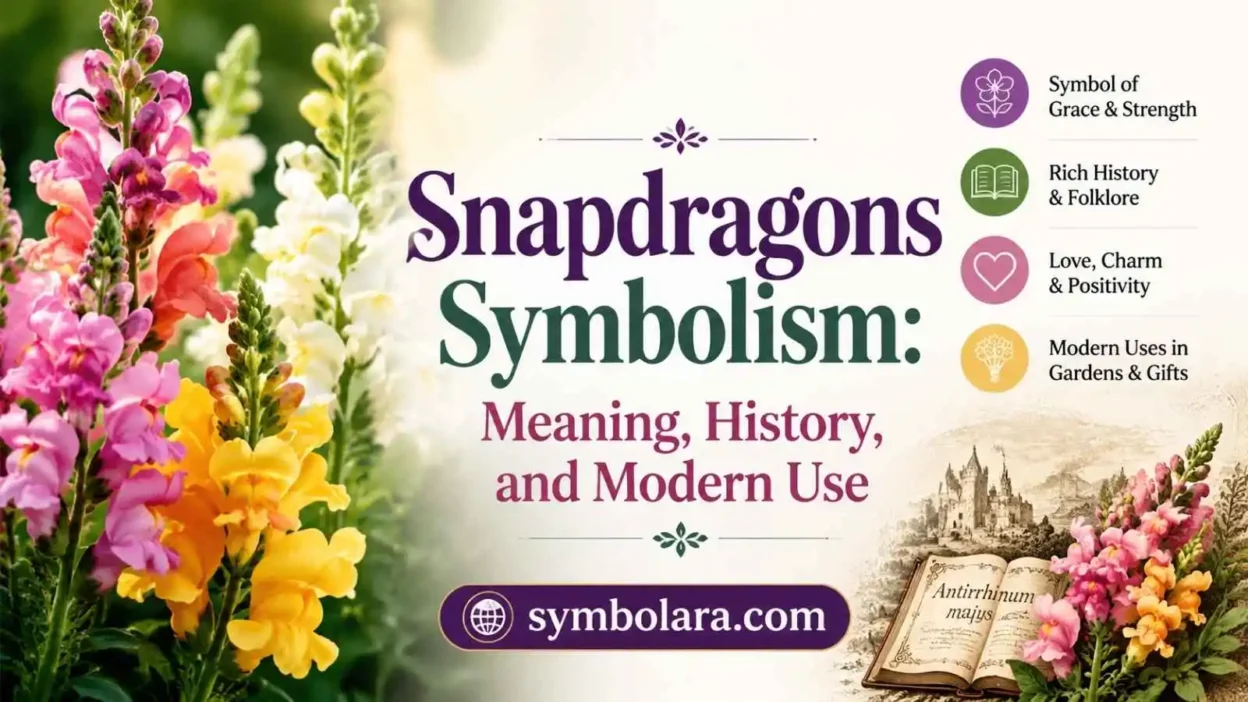
Flowers often carry meanings that go beyond their appearance. People choose certain blooms for weddings, gardens, gifts, and memorials because their colors and shapes communicate feelings that words sometimes cannot. Snapdragons symbolism reflects a fascinating mix of ideas connected with strength, grace, protection, deception, and emotional expression.
Known for their tall flower spikes and unique blossoms that resemble a dragon’s mouth, snapdragons have attracted attention in gardens and cultural traditions for generations. Their symbolism has changed over time, moving from old European beliefs about protection and mystery to modern American associations with beauty, creativity, and personal expression.
Today, snapdragons are appreciated not only as decorative flowers but also as symbols used in gardening, floral design, celebrations, and personal spaces. Understanding their meaning helps explain why these flowers continue to appear in bouquets, landscapes, and artistic designs.
Quick Answer
Snapdragons commonly symbolize strength, grace, and positive expression in modern American culture, especially in gardens, floral arrangements, and celebrations. Historically, they have also represented protection, deception, and transformation in European flower traditions.
TL;DR
- Snapdragons symbolize strength, grace, and creativity.
- Their name comes from dragon-like flower shapes.
- Ancient traditions linked them with protection.
- Americans use them in gardens and celebrations.
- Flower color changes their symbolic meaning.
- Modern designs emphasize beauty and individuality.
What Snapdragons Look Like and Why Their Shape Matters
Snapdragons are flowering plants recognized by their tall stems covered with clusters of small blossoms. Their scientific name is Antirrhinum majus, and they belong to the plant family known as Plantaginaceae.
The flower gets its common name from its unusual shape. When gently squeezed from the sides, the blossom opens like the mouth of a small dragon. This feature inspired the name “snapdragon” and influenced many symbolic interpretations connected with power, imagination, and protection.
The plant usually grows in upright spikes and produces flowers in many shades, including pink, red, yellow, orange, white, and purple. Because of their height and colorful appearance, snapdragons are popular choices for borders, cottage gardens, and floral arrangements.
Their unusual appearance made them stand out compared with simpler flowers. Over time, people began attaching meanings to their appearance, creating symbolic connections between the flower’s physical traits and human qualities.
The Core Meaning of Snapdragons in Modern Culture
In the United States today, snapdragons are most commonly associated with strength, beauty, and positive emotional expression. Gardeners often choose them because they create a sense of liveliness and confidence in outdoor spaces.
The flower’s upright growth pattern contributes to its association with resilience. A snapdragon does not spread low across the ground; instead, it rises vertically, creating a visual impression of determination and presence.
Many people also connect snapdragons with creativity. Their unusual shape makes them popular among artists, photographers, and floral designers who appreciate flowers with distinctive forms.
Snapdragon Spiritual Meaning and Symbolic Interpretations
Snapdragons are often given symbolic meanings connected with inner strength, confidence, and personal growth. While spiritual interpretations vary between individuals and traditions, many people view the flower as a reminder to stand tall, express yourself, and face challenges with courage.
The flower’s upright growth and dragon-like shape contribute to these interpretations. A dragon is commonly seen as a symbol of power, protection, and transformation in many cultures, which has influenced how some people understand snapdragons.
Some modern spiritual interpretations associate snapdragons with:
- Strength during difficult times
- Confidence and self-expression
- Personal transformation
- Protection from negative energy
- Creative inspiration
These meanings are personal and cultural rather than scientifically proven. For many people today, snapdragons represent the ability to grow, adapt, and maintain beauty while overcoming challenges.
Modern symbolic meanings often include:
| Context | Meaning in the USA | Common Associations | Notes |
| Gardens | Strength and beauty | Growth, confidence, color | Popular ornamental flower |
| Weddings | Grace and happiness | Love, celebration | Used in mixed arrangements |
| Gifts | Positive emotions | Appreciation, encouragement | Meaning depends on color |
| Memorials | Remembrance | Respect, reflection | Often paired with other flowers |
| Personal style | Creativity | Individual expression | Appears in art and tattoos |
Ancient Roots and Early Symbolism of Snapdragons
Snapdragons have a long history in European gardening and traditional plant symbolism. During the Victorian era, flowers were often assigned specific meanings, creating a symbolic language known as floriography.
In Victorian flower traditions, snapdragons carried more complicated meanings than they usually do today. Depending on the situation, they could represent graciousness and strength but also deception or hidden intentions.
One reason for these mixed interpretations was the flower’s unusual ability to “open” like a creature’s mouth. Some people viewed this feature as playful and protective, while others associated it with secrecy.
Historical flower meanings were not always universal. Different regions, writers, and social groups sometimes assigned different interpretations to the same plant. As a result, snapdragons developed a layered symbolic history rather than one fixed meaning.
Why Snapdragons Became Connected With Protection
One of the oldest symbolic associations of snapdragons is protection. In some European traditions, people believed the flower could guard against negative influences or harmful situations.
This connection likely developed because of the flower’s dragon-like appearance. Dragons were often viewed as powerful creatures in folklore, representing guardianship, strength, and mystery.
Although these beliefs belong mainly to traditional folklore rather than modern science, they influenced how people viewed the flower. Gardeners sometimes planted snapdragons near homes because of their symbolic protective qualities.
Today, most Americans do not use snapdragons as protective symbols in a literal sense. Instead, the idea has shifted toward emotional protection, confidence, and creating welcoming environments.
Snapdragons Symbolism in the United States
American interpretations of snapdragons are generally more positive and decorative than older European meanings. They are commonly seen in residential gardens, community landscapes, flower markets, and seasonal arrangements.
Many Americans associate snapdragons with:
- Summer gardens
- Childhood memories
- Creativity
- Friendship
- Fresh beginnings
- Natural beauty
Because snapdragons grow well in many climates, they have become familiar garden flowers across different regions of the country. Their bright colors and tall shape make them especially popular in landscaping.
In American culture, flowers often communicate emotions during important life moments. Snapdragons may appear in birthday arrangements, celebrations, appreciation gifts, and decorative displays because they create a cheerful and energetic feeling.
The Meaning of Different Snapdragon Colors
Color plays an important role in flower symbolism. The same flower can communicate different emotions depending on its shade.
Red snapdragons are often linked with passion, confidence, and strong emotions. Their bold appearance makes them suitable for arrangements designed to create visual impact.
Pink snapdragons are commonly associated with affection, kindness, and gentle appreciation. They are often chosen for romantic or friendly gestures.
White snapdragons represent purity, simplicity, and elegance. They are frequently used in formal arrangements because of their clean appearance.
Yellow snapdragons are connected with happiness, friendship, and optimism. Their bright color often creates a feeling of warmth.
Purple snapdragons may suggest imagination, creativity, and uniqueness. They are popular among people who prefer unusual garden colors.
Snapdragons in Weddings, Gifts, and Celebrations
Snapdragons have become popular in floral design because they add height, structure, and personality to arrangements.
In weddings, they are often used to create elegant vertical designs. Their tall stems work well with roses, peonies, greenery, and other flowers because they add movement and texture.
The symbolic meaning of snapdragons in weddings usually focuses on happiness, strength, and lasting appreciation rather than older associations with deception.
As gifts, snapdragons can express encouragement, admiration, or friendship. Their meaning depends on the relationship between the giver and receiver as well as the chosen color.
Snapdragon Flower Meaning in Floral Arrangements
Snapdragons add both visual structure and symbolic meaning to floral arrangements. Their tall stems create height and movement, making them popular in bouquets, centerpieces, and seasonal displays.
When included in a bouquet, snapdragons are often associated with encouragement, admiration, happiness, and confidence. Their meaning can change depending on the flower colors used and the occasion.
Common interpretations include:
- Wedding bouquets: Grace, happiness, strength, and lasting appreciation.
- Friendship arrangements: Support, encouragement, and positive feelings.
- Celebration flowers: Joy, creativity, and fresh beginnings.
- Memorial arrangements: Respect, remembrance, and emotional connection.
Because flower meanings are personal, the message of a snapdragon arrangement often depends on the relationship between the giver and receiver.
Emotional and Psychological Meaning of Snapdragons
Flowers influence how people experience spaces. Although symbolic meanings are cultural rather than scientific facts, certain visual qualities can affect emotions.
Snapdragons often create feelings of energy because of their upright shape and bright colors. Their appearance can make gardens feel more active and organized.
Psychologically, people may associate snapdragons with:
- Confidence because of their strong vertical growth
- Joy because of their vivid colors
- Creativity because of their unusual shape
- Connection because flowers are often exchanged socially
For many people, a snapdragon garden may represent personal growth or the enjoyment of nature rather than a specific traditional meaning.
Snapdragon Symbolism in Dreams
Dream interpretations involving snapdragons often depend on personal experiences, emotions, and cultural background. There is no universal meaning for seeing this flower in a dream, but some people associate it with confidence, renewal, and emotional growth.
A blooming snapdragon in a dream may represent creativity, new opportunities, or a desire for personal expression. Because the flower grows upward on a strong stem, some interpretations connect it with progress and resilience.
Different dream situations may create different meanings:
- A colorful snapdragon garden: May reflect happiness, creativity, or emotional balance.
- A single snapdragon flower: May symbolize individuality or a personal journey.
- A fading snapdragon: Could represent change, endings, or the need for renewal.
Dream symbolism is subjective. The most meaningful interpretation usually comes from the dreamer’s own feelings and life circumstances.
Snapdragons in Tattoos, Art, and Personal Expression
Modern flower tattoos often use plants as symbols of identity, memory, and personal values. Snapdragons are less common than roses or lilies, but they have a unique appeal because of their distinctive shape.
A person choosing a snapdragon tattoo may connect it with:
- Inner strength
- Individuality
- Courage
- Creativity
- Personal transformation
Artists may also use snapdragons because the flower provides interesting shapes and color combinations.
In visual design, snapdragons can communicate a balance between softness and strength. Their delicate petals contrast with their tall, structured stems.
Cross-Cultural Interpretations of Snapdragons
Snapdragon symbolism differs across cultures because flowers often gain meaning from the traditions and beliefs of the communities that value them.
European flower traditions, especially during the Victorian era, associated snapdragons with ideas of honesty, grace, and sometimes hidden intentions. Mediterranean cultures, where the plant has deep historical roots, viewed snapdragons as familiar garden flowers admired for their colorful appearance and seasonal charm. Today, in global culture, these flowers are usually understood in a more positive way, representing beauty, creativity, and emotional expression rather than the older folklore meanings attached to them.
These changing interpretations show how the symbolism of a flower can evolve as cultures, traditions, and social values change over time.
Common Misunderstandings About Snapdragon Symbolism
Because flower symbolism changes between cultures and time periods, snapdragons are sometimes misunderstood.
A common mistake is assuming the flower has only one meaning. In reality, symbolism depends on historical period, cultural background, color, and personal interpretation.
Another misunderstanding is treating folklore meanings as proven facts. Traditional beliefs about protection or hidden meanings are part of cultural history, not scientific explanations.
Modern uses of snapdragons usually emphasize beauty, celebration, and personal connection.
How Snapdragon Meaning Has Changed Over Time
The symbolism of snapdragons has evolved from folklore-based interpretations into broader emotional meanings.
Earlier traditions often focused on mystery, protection, and symbolic messages between people. Victorian society especially gave flowers detailed meanings that influenced social communication.
Today, snapdragons are less about hidden messages and more about visual beauty and personal expression. Americans commonly appreciate them for gardens, decorations, and their cheerful appearance.
This change reflects how symbols naturally adapt as societies develop. A flower’s meaning is shaped by the people who use and interpret it.
Are Snapdragons a Symbol of Strength?
Yes, snapdragons are often associated with strength because of their tall, upright growth and ability to create a strong visual presence in gardens. Their appearance has encouraged symbolic connections with confidence, resilience, and determination.
Unlike flowers that grow close to the ground, snapdragons rise on firm stems and display their blooms prominently. This quality has made them a natural symbol for standing strong and expressing individuality.
In modern interpretations, the strength of a snapdragon is usually emotional rather than physical. People may choose this flower as a reminder of courage, personal growth, and the ability to remain positive through change.
Modern Uses of Snapdragons in Everyday Life
Snapdragons continue to appear in many modern settings, including:
- Home gardens
- Floral arrangements
- Landscape design
- Photography
- Artwork
- Seasonal decorations
- Botanical collections
Their popularity comes from both practical and symbolic qualities. They are attractive plants that also carry associations with confidence, creativity, and happiness.
Social media has also increased interest in unique flowers. Gardeners and photographers often share snapdragons because their unusual shape creates visually interesting images.
FAQs
Snapdragons commonly symbolize strength, grace, creativity, and positive expression. Their meaning can change depending on cultural tradition, color, and personal interpretation.
Yes. In modern American culture, snapdragons are usually viewed positively and are associated with beauty, encouragement, and confidence.
A snapdragon tattoo may represent individuality, courage, creativity, or personal growth. The meaning depends on the person’s reason for choosing the design.
Snapdragons do not have one major universal religious meaning. Some traditions connect plants with protection or spiritual ideas, but these interpretations vary.
Red suggests passion and confidence, pink represents affection, white symbolizes elegance, yellow reflects happiness, and purple often represents creativity.
The name comes from the flower’s ability to open like a dragon’s mouth when squeezed. This unusual feature inspired both the common name and many symbolic associations.
Snapdragons are associated with dragons because their flowers open like a small dragon’s mouth when squeezed. This unusual shape inspired the plant’s name and influenced its symbolism.
Conclusion
Snapdragons represent a combination of beauty, strength, creativity, and changing cultural ideas. Their unusual shape helped create older associations with protection and mystery, while modern American culture usually views them as cheerful flowers connected with personal expression and celebration.
Understanding Snapdragons Symbolism shows how a simple garden flower can carry different meanings across generations. Whether used in a bouquet, garden, artwork, or personal design, snapdragons continue to represent qualities people value in everyday life.