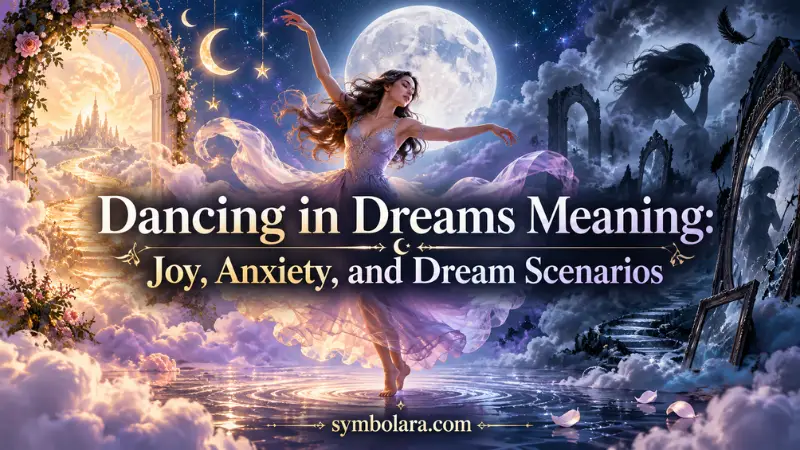
You hear music, step onto a dance floor, and begin moving without thinking. Perhaps you’re dancing with someone you love, celebrating with friends, or performing before a large crowd. Then you wake up, wondering why the experience felt so real.
The meaning of dancing in dreams often depends on what happened and how you felt. A joyful dance might bring feelings of freedom and connection. An awkward performance could reflect concerns about confidence, expectations, or being judged.
Dancing also carries personal memories. Weddings, school dances, family celebrations, and favorite songs can shape the images that appear during sleep.
Understanding dancing in dreams meaning involves looking at emotions, waking experiences, psychological ideas, and cultural beliefs. No single interpretation fits everyone, but the details can help you reflect on your experience.
Quick Answer
Dancing in dreams meaning is commonly associated with joy, freedom, emotional expression, confidence, and social connection. However, uncomfortable dancing dreams may reflect embarrassment, pressure, or uncertainty about relationships.
Research suggests dreams can incorporate waking experiences and emotions, but science has not established a universal meaning for dreaming about dancing.
TL;DR
- Happy dancing may represent freedom, excitement, or personal satisfaction.
- Awkward dancing can reflect insecurity or social pressure.
- Recent experiences and emotional memories may influence dream content.
- Some traditions connect dancing with celebration and spiritual devotion.
- Dancing with someone may reflect personal relationship associations.
- Your feelings and circumstances matter more than fixed symbolic rules.
What Does Dancing in Dreams Usually Mean?
Dancing often represents movement, expression, connection, and celebration in everyday life. These familiar associations help explain why people sometimes interpret dancing dreams as signs of happiness or emotional freedom.
However, the dream’s atmosphere matters as much as the activity itself.
Someone dancing confidently at a wedding might associate the experience with belonging and excitement. Another person struggling through a performance could connect the same activity with fear of making mistakes.
Several possible interpretations are worth considering.
Freedom and self-expression: Dancing without restrictions may reflect a desire to enjoy life, explore creativity, or express feelings more openly.
Connection and belonging: Dancing with friends, family, or a romantic partner may relate to companionship, shared experiences, or meaningful memories.
Confidence and achievement: Performing successfully might resemble the satisfaction of meeting a goal or receiving recognition.
Pressure and vulnerability: Forgetting dance steps or feeling watched may resemble situations where you worry about expectations.
Change and adjustment: Learning unfamiliar movements could reflect the challenge of adapting to a new situation.
These meanings are possibilities rather than established rules. A professional dancer, for example, may dream about performing simply because dancing is an important part of daily life.
Why Do People Dream About Dancing?
Dreams often combine familiar experiences with unusual settings, people, and emotions. Dancing can appear because of something you recently experienced, remembered, watched, or imagined.
Recent Activities and Memories
Attending a wedding, taking dance lessons, watching a musical, or hearing a favorite song may influence your dream imagery.
You might even dream about dancing at a childhood party after unexpectedly hearing music associated with that memory.
Such connections do not require a deeper symbolic explanation.
Emotional Experiences
A successful week, an exciting relationship, or an upcoming celebration may provide emotional material for a pleasant dancing dream.
Likewise, preparing for an important presentation might contribute to a dream about performing before strangers.
The connection is not always direct. Dreams can combine several experiences into one imaginary event.
Stress and Expectations
Dancing involves movement, timing, and sometimes cooperation with others.
For someone facing workplace pressure or social expectations, an uncomfortable dance may offer a useful comparison with those feelings.
Still, stressful events do not reliably produce particular dream images. Sometimes dancing appears without any obvious emotional connection.
Psychological Interpretations of Dancing Dreams
Psychology offers several ways to think about dancing dreams. Some come from historical theories, while others draw on modern research into emotions and waking experiences.
Freud’s Historical Perspective
Sigmund Freud viewed dreams as possible expressions of wishes, emotional conflicts, and thoughts outside conscious awareness.
Within his approach, dancing might be examined in relation to personal desires, relationships, or emotional restrictions.
However, Freud did not establish a scientifically verified meaning for dancing dreams. His ideas remain historically important but should not be treated as diagnostic tools.
Jung’s Symbolic Perspective
Carl Jung emphasized symbols, personal development, and shared cultural images.
A Jungian interpretation might consider dancing as an image of balance, connection, or the relationship between different parts of a person’s experience.
For example, dancing smoothly with another person might be explored as a metaphor for cooperation.
That interpretation remains theoretical. It cannot establish someone’s psychological condition from one dream.
Modern Psychological Thinking
Modern dream researchers often examine how waking concerns and experiences appear during sleep.
This relationship is sometimes called the continuity hypothesis. It suggests that aspects of everyday life can carry into dreams, although their appearance may be changed or fragmented.
Someone worried about fitting into a new social group might dream about joining a dance. Another person who loves dancing may simply recreate an enjoyable activity.
Personal context provides more useful information than relying on a fixed dream dictionary.
What Modern Dream Science Says About Dancing Dreams
Dreaming occurs during several stages of sleep, including rapid eye movement (REM) sleep and non-REM sleep.
REM dreams often contain vivid scenes, strong feelings, and unusual combinations of events. However, people also report dreams during non-REM sleep.
Research indicates that dreams can incorporate emotional experiences and memories from waking life. Scientists continue studying how dreaming relates to memory processing, emotional regulation, and other brain functions.
Imagine dancing across a stage without knowing the choreography. Your sleeping brain can create that experience using memories of movement, music, people, and places.
The sensation may feel convincing even though you remain asleep.
During typical REM sleep, the brain also reduces most voluntary muscle movement. This helps prevent people from physically performing the actions they dream about.
Importantly, scientists have not established that dancing dreams predict happiness, relationships, success, or future events.
There is also no confirmed scientific explanation for why a particular person dreams about dancing on a particular night.
Common Dancing Dream Scenarios and Their Meanings
The circumstances surrounding the dance can change how the experience feels. Consider the people involved, the location, and whether you enjoyed the movement.
Dreaming About Dancing Alone
Dancing alone in a peaceful room may feel relaxing and independent. One possible interpretation involves enjoying personal freedom without worrying about other people’s opinions.
However, dancing alone in an empty ballroom might feel lonely.
A person who enjoys practicing dance privately may see this scene as completely ordinary. Someone missing companionship might associate it with isolation.
Dreaming About Dancing With Someone
Dancing with another person often highlights cooperation, closeness, or shared attention.
If you dance comfortably with a romantic partner, the scene might reflect affection or a pleasant memory.
Dancing with an unfamiliar person could involve curiosity about new relationships or simply an imagined social encounter.
The person’s identity and your emotional response are more meaningful than a general rule about romantic dreams.
Dreaming About Dancing at a Wedding
Wedding dances frequently carry associations with family, celebration, and major life changes.
A joyful wedding dance might relate to excitement about belonging or an upcoming gathering.
If the wedding feels uncomfortable, the dream could involve concerns about family expectations, commitment, or social obligations.
You do not need to be planning a marriage for wedding imagery to appear during sleep.
Dreaming About Dancing on Stage
Performing on stage places attention on your abilities and how others respond.
A confident performance could resemble pride in your accomplishments or excitement about an opportunity.
Forgetting the steps might connect with concerns about public speaking, school presentations, or workplace responsibilities.
For someone who regularly performs, the dream may instead reflect rehearsal memories.
Dreaming About Dancing With a Deceased Loved One
Dancing with someone who has died can feel comforting, sad, or unexpectedly intense.
The experience may bring forward treasured memories, especially if music or celebrations played an important role in your relationship.
Some people understand these dreams through personal spiritual beliefs. Psychologically, they may also reflect memories, attachment, and grief.
The dream does not scientifically establish contact with the deceased.
Dreaming About Dancing in the Rain
Dancing in the rain combines movement with an unusual setting.
If the scene feels refreshing, you might associate it with spontaneity, playfulness, or enjoying an unexpected experience.
A cold, frightening storm could produce a different reaction, perhaps resembling uncertainty or feeling overwhelmed.
Movies, music videos, and familiar romantic scenes can also influence this imagery.
Dreaming About Being Unable to Dance
You may hear music but find yourself unable to move correctly. Perhaps everyone else knows the steps while you struggle to follow.
This situation might resemble frustration, self-consciousness, or difficulty adjusting to a group.
However, the dream could also draw from an actual embarrassing dance experience.
Feeling unable to move in a dream is not automatically a warning or a psychological symptom.
Dancing Dream Meanings at a Glance
| Dream Scenario | Possible Meaning | Emotional Association | Important Context |
| Dancing alone | Independence or solitude | Freedom, loneliness | Whether solitude feels welcome |
| Dancing with a partner | Closeness or cooperation | Affection, comfort | Your relationship with them |
| Dancing at a wedding | Celebration or transition | Joy, anticipation | Recent family experiences |
| Performing on stage | Visibility or achievement | Pride, nervousness | Current performance pressures |
| Forgetting dance steps | Difficulty keeping up | Embarrassment, frustration | Social or work expectations |
These examples are starting points for reflection, not proven interpretations.
Positive and Negative Meanings of Dancing Dreams
Dancing dreams can be positive, unpleasant, or emotionally mixed. The feeling experienced during the dream often provides the clearest starting point.
When Dancing Feels Positive
A pleasant dancing dream may be associated with happiness, confidence, affection, or a sense of release.
Someone who has recently finished a demanding project might dream about celebrating with friends. The dream could resemble the relief and excitement of completing something important.
An enjoyable dance may also be nothing more than a pleasant imagined experience.
When Dancing Feels Uncomfortable
A frightening or embarrassing dance can involve being judged, losing control, or feeling excluded.
Perhaps everyone around you moves perfectly while you cannot remember the steps.
That contrast might remind you of situations where you feel unprepared or pressured to meet expectations.
Yet negative feelings during a dream do not mean something bad will happen.
Why Personal Associations Matter
The same dance can produce different emotional responses.
For a former ballet student, an elegant performance might bring happy memories. For someone who experienced harsh criticism during dance lessons, it could feel stressful.
Consider your own relationship with dancing before accepting anyone else’s interpretation.
Spiritual and Religious Interpretations of Dancing Dreams
Dancing holds meaningful places in several religious and spiritual traditions. These connections can influence how believers understand dream imagery, but they do not create universal dream rules.
Christian Interpretations
The Bible describes dancing in contexts involving celebration, gratitude, and worship.
Psalm 149:3 connects dancing with praising God. Ecclesiastes 3:4 contrasts times of mourning with times of dancing.
These passages help explain why some Christians may associate a joyful dancing dream with gratitude or celebration.
However, biblical references to actual dancing do not establish a fixed interpretation for dreams about dancing.
Some Christians may reflect on such dreams through prayer, while others view them as ordinary sleep experiences.
Islamic Perspectives
Islamic teachings distinguish between different kinds of dreams, including pleasant dreams, distressing dreams, and experiences connected with waking thoughts.
Traditional Islamic dream interpretation has also developed through later scholarly and popular commentary.
Some interpretation manuals and online discussions assign meanings to dancing, but these should not automatically be treated as direct teachings from the Quran or authentic hadith.
A Muslim interpreting a dancing dream may consider personal circumstances, religious understanding, and the dream’s emotional character.
There is no scientifically demonstrated spiritual outcome attached to this specific image.
Hindu Symbolism
Dance carries important religious meaning in Hindu traditions.
One well-known example is Shiva as Nataraja, the Lord of Dance. This sacred artistic image expresses ideas involving creation, destruction, transformation, and cosmic order.
A person familiar with this imagery might associate a dancing dream with change or spiritual reflection.
However, Nataraja symbolism should not be converted into a universal Hindu rule about dream interpretation.
Personal faith and cultural background shape how individuals understand these experiences.
Historical and Cultural Meanings of Dancing in Dreams
Across different communities, dancing has served many purposes, including celebration, courtship, worship, storytelling, and public performance.
These real-world meanings help shape the associations people bring into dreams.
Ancient Greek and Roman societies also developed traditions of dream interpretation. Around the turn of the third century CE, Artemidorus compiled a detailed dream manual known as the Oneirocritica.
His approach considered the dreamer’s circumstances and social position when interpreting imagery. It represents a historical belief system rather than modern scientific evidence.
Cultural differences also matter when considering dancing itself.
A formal ballroom dance may suggest etiquette and partnership to one person. A family circle dance might recall community celebrations for another.
Traditional dances can hold meanings tied to identity, heritage, or religious practice. It would be misleading to give all these forms the same dream interpretation.
The type of dancing and the dreamer’s relationship with it deserve attention.
How Americans Interpret Dancing Dreams Today
For many Americans in 2025–2026, dancing is connected with weddings, graduation celebrations, school events, concerts, fitness classes, and social media videos.
These everyday experiences provide familiar settings for dreams.
Consider someone practicing choreography for an upcoming wedding. Dreaming about missing steps might reflect the recent practice session or nervous anticipation.
A college student preparing for a formal dance could dream about finding the right partner. An office worker might dream about performing after watching a television dance competition.
Online dream discussions often describe dancing as a symbol of freedom, confidence, romance, or emotional release.
Such interpretations can be interesting, but they are not scientific findings.
American readers also approach dreams from different perspectives. Some prefer psychological explanations, while others draw on religious traditions or personal spirituality.
Neither approach requires assuming every dancing dream contains an important message.
A useful modern interpretation begins with what dancing means in your own life, not with a fixed definition from social media.
Why Do I Keep Dreaming About Dancing?
Recurring dancing dreams can raise questions, particularly when the setting or emotions remain similar.
One possibility is that a repeated waking experience keeps supplying familiar dream material.
A dance instructor may frequently dream about choreography because teaching and performing occupy much of the day.
Someone repeatedly dreaming about being judged on stage might notice a connection with ongoing performance pressure.
Recurring dreams can also involve emotionally important memories. Certain places, people, or music may reappear even when they have not been part of recent events.
Sleep disruption, stress, and changes in sleep routines may affect dream experiences and recall. However, these factors do not explain every recurring dream.
If the dreams are pleasant, there may be no reason to change anything.
If they become frightening, frequently interrupt sleep, or cause ongoing distress, a qualified healthcare professional can help assess the problem.
Treatments are available for persistent nightmares, including approaches that involve practicing a less distressing version of the dream while awake.
Common Misunderstandings About Dancing Dreams
Popular dream explanations sometimes present symbolism with more certainty than the evidence supports.
Several distinctions are especially important.
Misunderstanding: Dancing always means happiness.
A joyful dance may suggest celebration to the dreamer, but an unwanted performance can produce fear or embarrassment.
Misunderstanding: Dancing with someone predicts romance.
Dancing with a particular person does not establish that a romantic relationship will develop. The image may reflect familiarity, admiration, memories, or ordinary imagination.
Misunderstanding: Dancing dreams predict future celebrations.
There is no reliable scientific evidence that these dreams forecast weddings, promotions, or other happy events.
Misunderstanding: An awkward dance reveals a psychological disorder.
Feeling embarrassed in a dream is not a diagnosis. Ordinary stress, memories, and imaginary situations may contribute to uncomfortable dream experiences.
Misunderstanding: Every spiritual interpretation comes from scripture.
Many popular dream meanings come from folklore, later commentary, or individual beliefs rather than directly from religious texts.
Recognizing these differences allows readers to consider symbolic ideas without treating them as proven facts.
How to Understand Your Own Dancing Dream
You do not need special knowledge to reflect thoughtfully on a dancing dream.
Start with the details you remember, then compare them with recent experiences.
- Remember the setting. Were you dancing at a wedding, in your bedroom, on a stage, or somewhere unfamiliar?
- Identify your emotions. Did you feel excited, peaceful, nervous, embarrassed, or frightened?
- Think about the people. Consider whether your dancing partner or audience has personal significance.
- Recall recent experiences. Have you attended a celebration, practiced a skill, watched a dance performance, or faced public expectations?
- Notice what stands out. The music, clothing, movements, or reaction of the crowd may hold meaningful personal associations.
- Write down recurring details. A brief dream journal can help you notice themes over time.
For example, suppose you dream about dancing confidently at a crowded party.
You might remember that you recently joined a new group of friends and felt more comfortable socially.
That connection could make the dream meaningful to you, but it would not prove that the dream represented growing confidence.
A dream journal supports observation rather than providing a scientific test of symbolism.
If no clear connection appears, that is also a reasonable outcome. Not every dream requires an interpretation.
FAQs
Many people associate pleasant dancing dreams with joy, confidence, or celebration. However, the dream’s meaning depends on your emotions and experiences, and it cannot reliably predict good fortune.
Dancing with someone may bring up feelings of connection, cooperation, attraction, or familiarity. Consider who the person is and how you felt rather than assuming the dream predicts a relationship.
Dancing and singing together may remind you of celebration, creativity, or expressing yourself freely. If the experience feels uncomfortable, it might instead resemble anxiety about performing or attracting attention.
Public dancing dreams may relate to confidence, social attention, or concerns about being evaluated. They can also draw from memories of school performances, parties, concerts, or other public events.
Yes, a stressful waking experience may contribute to dream content, including scenes involving awkward movements or performance pressure. However, dreaming about dancing alone does not establish that you are experiencing unhealthy stress.
Some people connect dancing dreams with gratitude, devotion, freedom, or personal transformation based on their beliefs. These are faith-based or personal interpretations rather than scientifically verified meanings.
Recurring dancing dreams are not automatically a problem, especially when they are pleasant and do not disturb your sleep. If they become distressing, interfere with rest, or accompany other sleep concerns, consider discussing them with a healthcare professional.
Conclusion
Dancing in dreams meaning can involve happiness, emotional expression, social connection, confidence, or discomfort. A joyful celebration and a frightening stage performance may lead to very different personal interpretations.
Modern dream research supports connections between dreaming, waking experiences, and emotions, but it does not establish a universal meaning for dancing. Religious and cultural traditions offer additional perspectives that should be understood as beliefs rather than scientific conclusions.
The most useful details are often simple: who was dancing, where it happened, how you felt, and what the experience reminded you of after waking. Those observations can help you understand the dream without assuming it predicts anything about your future.