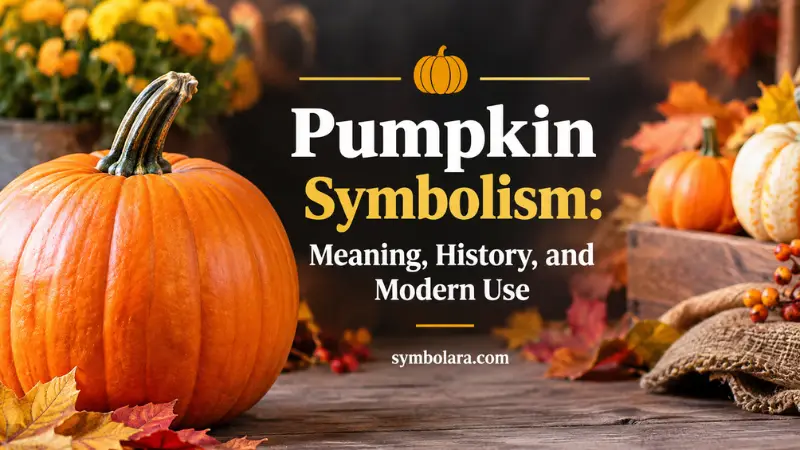
A bright orange pumpkin sitting on a porch, carved with a smiling face, or displayed as a fall decoration is one of the most recognizable images of autumn in the United States. The pumpkin appears at farmers’ markets, Thanksgiving tables, Halloween celebrations, seasonal crafts, and home decorations. Because it appears in so many settings, many people search for pumpkin symbolism to understand why this simple harvest crop carries so many meanings.
The pumpkin is often connected with harvest, comfort, celebration, and the changing seasons. Its round shape, warm color, and connection to food and farming have helped it become a familiar sign of autumn life in America.
Today, pumpkins can represent different ideas depending on the setting. A carved jack-o’-lantern may suggest Halloween traditions, while a pumpkin pie may represent family gatherings and Thanksgiving memories. The meaning changes with the way people use it.
Quick Answer
Pumpkin symbolism commonly represents harvest, abundance, autumn, celebration, and feelings of warmth and togetherness in American culture. Its meaning developed from the pumpkin’s role as a food crop in Indigenous and agricultural traditions, later becoming linked with fall holidays such as Halloween and Thanksgiving.
TL;DR
- Pumpkins represent autumn, harvest, and seasonal change.
- Farmers valued pumpkins as reliable food crops.
- Halloween turned pumpkins into decorative symbols.
- Thanksgiving connected pumpkins with family traditions.
- Orange pumpkins suggest warmth and comfort.
- Modern designs use pumpkins for seasonal style.
Why the Pumpkin Became an Autumn Symbol
Pumpkins are large, round fruits with thick outer skins and soft inner flesh filled with seeds. Most pumpkins used for decoration and cooking in the United States belong to the squash family, especially varieties developed from plants native to the Americas.
Their bright orange color makes them easy to notice during the fall months. As daylight becomes shorter and temperatures drop, pumpkins naturally appear in gardens, farms, roadside stands, and grocery stores.
The pumpkin’s seasonal timing helped shape its meaning. Harvesting pumpkins often happens from late summer into autumn, making them closely connected with gathering crops before winter. For many Americans, seeing pumpkins signals the beginning of a familiar fall season filled with festivals, baking, and outdoor activities.
What Does a Pumpkin Represent Today?
In modern American culture, pumpkins usually represent the feeling of autumn and the enjoyment of seasonal traditions. Their meaning is often positive and connected to everyday experiences.
One common association is harvest and plenty. A field full of pumpkins suggests a successful growing season and the results of careful farming. Pumpkins are also linked with sharing because many traditional pumpkin foods are prepared for groups, including pies, breads, soups, and roasted seeds.
Another common meaning is comfort and home. A pumpkin on a front porch, especially during October and November, often creates a welcoming seasonal atmosphere. Many people use pumpkins to decorate their homes because they connect with memories of family gatherings and cooler weather.
Pumpkins also represent celebration and creativity. Carving designs into pumpkins allows people to create decorations that range from funny faces to detailed artwork. This tradition gives the pumpkin a playful side beyond its agricultural role.
The Early History of Pumpkins in the Americas
Pumpkins have a long connection with the Americas. Archaeological evidence shows that Indigenous peoples cultivated squash plants thousands of years ago. Pumpkins and related squash varieties were important food sources because they could be stored and used during colder months.
Different Indigenous communities developed their own farming practices and uses for squash. They used the flesh as food, saved seeds for planting, and found practical uses for different parts of the plant.
When European settlers arrived in North America, they encountered pumpkins through interactions with Indigenous communities. Early colonists learned that pumpkins could grow in local conditions and became part of their diets.
The exact path from early pumpkin cultivation to modern pumpkin symbolism is not a single documented story. However, historians generally connect the pumpkin’s later cultural meaning with its long role as a seasonal food crop and its connection to fall harvest traditions.
How Pumpkins Became Part of American Fall Culture
The pumpkin became especially important in American seasonal traditions during the 1800s and 1900s. As communities created more public celebrations around autumn, pumpkins became common decorations and food symbols.
Pumpkin pie became associated with Thanksgiving meals, although the relationship developed over time rather than appearing as one fixed tradition from the beginning. Cookbooks in the 19th century helped spread pumpkin-based recipes among American households.
During the same period, autumn festivals, agricultural fairs, and harvest displays often featured large pumpkins. Competitions for growing oversized pumpkins also became popular, turning the crop into a symbol of farming skill and local pride.
The pumpkin’s place in American culture grew because it connected several parts of life: agriculture, food, family events, and seasonal decoration.
Why Pumpkins Are Linked With Halloween
The connection between pumpkins and Halloween comes mainly from the tradition of carving jack-o’-lanterns. Before pumpkins became the main choice, people in parts of Ireland and Scotland carved other vegetables such as turnips and potatoes for seasonal celebrations.
When Irish and Scottish immigrants brought these customs to North America, pumpkins became a practical replacement. They were larger, easier to carve, and widely available.
By the late 1800s and early 1900s, carved pumpkins became a familiar part of Halloween celebrations in the United States. The carved face changed the pumpkin from a farm crop into a piece of holiday decoration.
The meaning of the jack-o’-lantern is often connected with fun, imagination, and Halloween entertainment today. While older European traditions included beliefs about protecting homes or marking seasonal transitions, modern American use is mostly focused on decoration and community activities.
Pumpkins in American Thanksgiving Traditions
Pumpkins have a strong connection with Thanksgiving, especially through pumpkin pie. The dessert became a common part of Thanksgiving meals during the 19th century as printed recipes helped spread the tradition.
At Thanksgiving tables, pumpkins often represent family meals, gratitude, and seasonal foods. A pumpkin centerpiece or pumpkin-flavored dish usually carries a message of celebration rather than a specific historical meaning.
The pumpkin also appears in school activities, community events, and fall festivals held around Thanksgiving. Children may decorate pumpkins, learn about farming, or participate in harvest-themed events.
Although pumpkins were not the only foods available at early colonial gatherings, they became one of the most recognizable symbols associated with modern Thanksgiving celebrations.
The Pumpkin’s Role in American Home Decor
Seasonal home decoration has made pumpkins a major part of American autumn style. People often place pumpkins on front steps, dining tables, fireplaces, and outdoor displays.
The meaning depends on the design. A group of natural pumpkins may create a farmhouse or harvest feeling. White pumpkins are often used in modern decorating styles because they provide a softer, neutral look. Painted pumpkins allow people to match decorations with personal tastes.
Pumpkin decorations are also popular because they are temporary. Many families enjoy changing their homes with the seasons, and pumpkins provide a simple way to mark the transition from summer into fall.
How Pumpkins Reflect American Identity and Community Traditions
In the United States, pumpkins are more than a seasonal decoration. They are part of shared experiences that happen every fall. Pumpkin patches, corn mazes, harvest festivals, and school events bring people together around a common seasonal activity.
Many families visit pumpkin farms each year to choose pumpkins in person. This tradition often becomes a yearly memory, especially for children. The experience is not only about the pumpkin itself but also about spending time outdoors, taking photos, and preparing for upcoming holidays.
Small towns often use pumpkins in local events as well. Some communities hold pumpkin-growing contests, carving competitions, and fall fairs. These activities connect the symbol with farming communities, creativity, and local traditions.
For many Americans, pumpkins represent a familiar rhythm of the year. They mark a seasonal change that people can see and experience through food, decorations, and public celebrations.
What Different Pumpkin Colors Can Suggest
Although the classic pumpkin is orange, modern decorations include many colors. These variations have created additional meanings in American culture.
Orange pumpkins remain the most recognized version. Their color is associated with autumn leaves, harvest fields, warmth, and Halloween decorations.
White pumpkins have become popular in home design. They are often chosen for a clean, simple appearance and are commonly used in weddings, modern fall displays, and neutral-colored decorations.
Green pumpkins can suggest an earlier stage of growth because some pumpkins naturally appear green before ripening. They are also used in decorative displays because they create contrast with orange pumpkins.
Blue pumpkins have appeared in some Halloween awareness campaigns, where they are used to represent specific community messages. The meaning comes from modern social movements rather than traditional pumpkin symbolism.
These color meanings are not universal rules. In most cases, people choose pumpkin colors based on personal style, decoration themes, or the message they want to share.
The Emotional Meaning Behind Pumpkin Traditions
People often connect pumpkins with feelings of comfort, familiarity, and celebration. A pumpkin pie recipe passed down through a family, a carved pumpkin made with children, or a yearly trip to a pumpkin patch can carry personal memories.
The pumpkin’s connection with food plays an important role in this emotional meaning. Many seasonal foods are shared with others, and pumpkins are commonly used in meals prepared for gatherings.
The act of carving a pumpkin also allows personal expression. Someone may create a funny face, a traditional design, or a detailed artistic pattern. The finished pumpkin reflects creativity and personal choice.
Using pumpkins in a home or event can communicate a welcoming atmosphere. A decorated porch with pumpkins often tells visitors that a household is celebrating the fall season.
Cross-Cultural Connections of Pumpkin Traditions
Pumpkins have different meanings in various cultures, especially in places where squash farming has been important.
In Indigenous cultures of the Americas, squash plants had practical and agricultural importance. Many Indigenous farming systems valued squash as one of the crops that supported communities. The meaning varied among different nations and should not be reduced to one single interpretation.
In some East Asian cultures, pumpkins and related squash varieties are associated with food traditions and seasonal dishes. Their meanings often come from their role as nourishing crops rather than from the Halloween traditions familiar in the United States.
European traditions influenced some modern pumpkin customs in America, especially Halloween practices. The carved jack-o’-lantern tradition developed from older practices involving carved vegetables in Ireland and Scotland before becoming associated with pumpkins in North America.
Because pumpkins have been used by many communities for food and celebration, their meanings are shaped by local customs rather than one universal definition.
Why People Choose Pumpkin Designs for Tattoos and Art
Pumpkin tattoos are less common than designs such as flowers, animals, or celestial images, but they appear in seasonal and personal artwork.
A pumpkin tattoo may represent a love of autumn, Halloween, family traditions, or childhood memories. Some people choose a simple pumpkin outline, while others include details such as leaves, vines, candles, or carved faces.
Artists may also use pumpkins in illustrations because they have a recognizable shape and strong connection with a specific season. A small pumpkin design can communicate a personal connection to October, fall festivals, or creative hobbies.
The meaning of a pumpkin tattoo depends heavily on the person wearing it. For one person, it may represent a favorite holiday. For another, it may remind them of a family tradition or a meaningful place.
Pumpkins in Fashion, Branding, and Popular Culture
Pumpkins appear widely in seasonal marketing and entertainment. During autumn, companies often use pumpkin images on packaging, advertisements, clothing, and store displays.
The popularity of pumpkin spice products has also increased the pumpkin’s connection with modern fall culture. Beginning in the early 2000s, pumpkin spice flavors became strongly associated with autumn in American consumer culture.
Fashion brands and designers often use pumpkin colors, including orange, brown, cream, and dark green, in fall collections. These colors create a seasonal feeling without always showing an actual pumpkin image.
In movies, television shows, and social media, pumpkins are frequently used to quickly communicate that a scene takes place during fall or Halloween. Their recognizable shape makes them an easy visual sign for the season.
Common Misunderstandings About Pumpkin Symbolism
One common misunderstanding is that pumpkins have only one meaning. In reality, their meaning changes depending on where and how they appear.
A Halloween jack-o’-lantern does not carry exactly the same message as a pumpkin pie at Thanksgiving. One focuses more on entertainment and creativity, while the other is connected with food and family gatherings.
Another misunderstanding is that every pumpkin tradition comes from one ancient source. The history is more complex. Some customs developed from Indigenous agriculture, some from European seasonal traditions, and others from modern American celebrations.
Pumpkins are sometimes given meanings that are not supported by historical evidence. Personal interpretations are normal, but they should be separated from documented cultural traditions.
How Pumpkin Meaning Changed Over Generations
The meaning of pumpkins has changed as American society changed. Early uses focused mainly on farming and food. Pumpkins were valuable crops because they could be grown, stored, and prepared in many ways.
During the 19th century, pumpkins became more connected with holidays and seasonal gatherings. Thanksgiving traditions helped strengthen their connection with family meals.
In the 20th century, Halloween made the carved pumpkin one of the most recognizable seasonal images in America. Movies, television, and advertising helped spread this image even further.
Today, pumpkins have both traditional and modern meanings. They can represent farming, holidays, personal creativity, home decoration, or simply enjoyment of the fall season.
| Context | Meaning in USA | Common Associations | Notes |
| Halloween jack-o’-lantern | Fun, creativity, seasonal celebration | Costumes, trick-or-treating, October events | Became popular in America after immigrant traditions changed |
| Thanksgiving food | Family connection and seasonal meals | Pumpkin pie, gatherings, recipes | Recipe traditions expanded during the 1800s |
| Front porch decoration | Welcome and autumn style | Homes, neighborhoods, fall displays | Often combined with leaves, flowers, and gourds |
| Pumpkin farming | Harvest and agricultural success | Farms, markets, festivals | Connects the symbol with rural traditions |
| Pumpkin tattoos | Personal memories and seasonal identity | Art, holidays, childhood experiences | Meaning depends on the individual design |
FAQs
Pumpkins are usually viewed positively in American culture. They are commonly connected with celebrations, food, creativity, and autumn traditions rather than negative ideas.
Pumpkins do not have one specific religious meaning in American culture. Some people may include pumpkins in seasonal celebrations connected with their personal beliefs, but the symbol itself is mainly cultural and agricultural.
Pumpkins are associated with October because they are harvested in the fall and became closely connected with Halloween traditions in the United States. Their availability during this season helped strengthen that connection.
Many people place pumpkins outside as seasonal decorations that welcome guests and celebrate autumn. Front porch pumpkin displays became especially popular as fall decorating traditions grew.
Yes, pumpkins and related squash plants developed in the Americas. Indigenous communities cultivated and used squash varieties long before European contact.
A carved pumpkin face usually represents Halloween fun, creativity, and seasonal entertainment. The design can range from playful expressions to artistic patterns.
Pumpkin spice became associated with fall because companies began widely promoting pumpkin-flavored products in the late 20th and early 21st centuries. The flavor became part of modern autumn culture.
Conclusion
Pumpkins represent harvest, seasonal celebration, comfort, and creativity in American culture. Their meaning developed from their role as an important crop and expanded through Halloween, Thanksgiving, farming traditions, and modern decoration.
Pumpkin symbolism continues to change because people use pumpkins in many personal ways. A carved pumpkin on Halloween, a pie shared at Thanksgiving, or a decoration on a front porch can each carry a different message.
The reason pumpkins remain recognizable is simple: they appear in ordinary moments that people remember, from family meals to yearly fall traditions. A pumpkin often represents not just a season, but the experiences people attach to that season.