
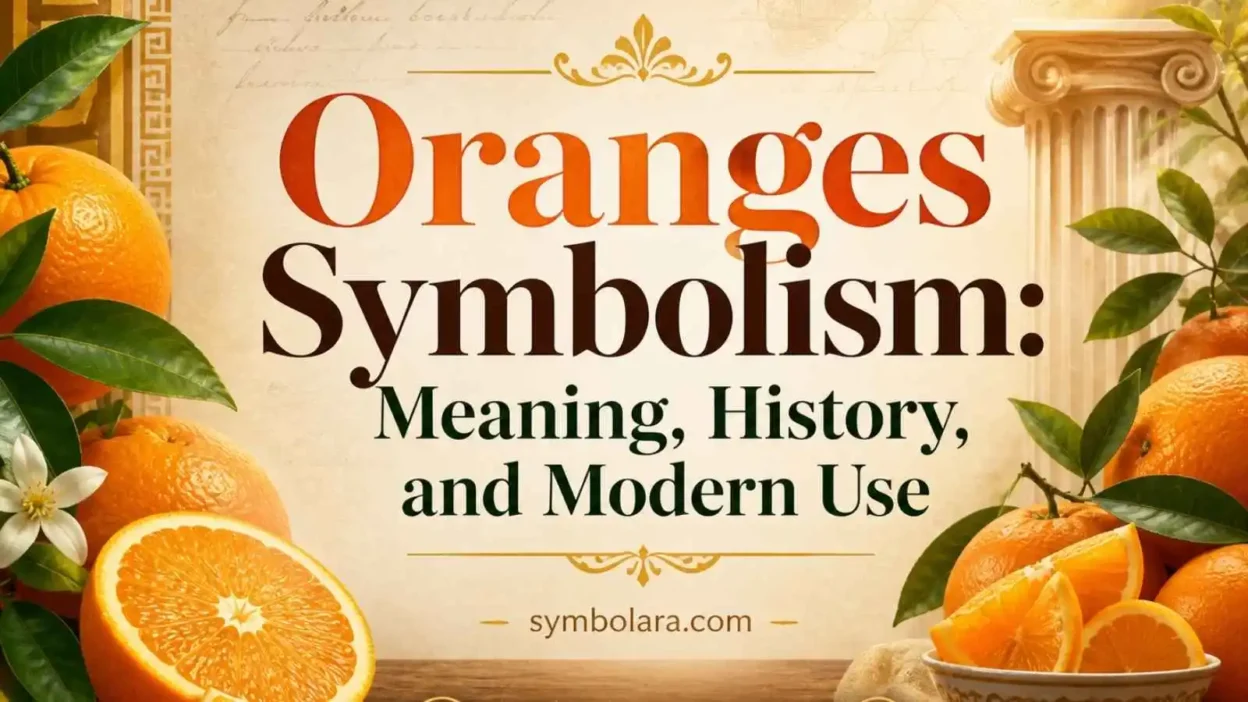
Oranges symbolism is easy to understand at first glance, but it becomes more interesting the closer you look. In modern American life, oranges often suggest freshness, health, warmth, abundance, and a bright, welcoming energy. Historically, though, they have also carried meanings tied to wealth, marriage, paradise, and good fortune in different parts of the world.
People care about symbols like this because oranges are ordinary and meaningful at the same time. They show up in kitchens, holiday traditions, perfumes, wedding imagery, design, and regional identity, so the fruit and its blossoms have picked up several layers of meaning without becoming obscure or overly specialized.
In the United States especially, oranges are not usually read as dark or threatening symbols. They tend to signal something life-giving and positive: sunlight, energy, hospitality, nourishment, and a sense of plenty. That does not mean every use is cheerful, but it does explain why oranges feel emotionally upbeat in so many modern settings.
Quick Answer
In modern American culture, oranges symbolism most commonly points to freshness, vitality, warmth, abundance, and cheerful optimism, especially in food, decor, branding, and seasonal traditions. Historically, oranges and orange blossoms have also been linked to wealth, fertility, marriage, paradise, and good fortune in European, East Asian, and Mediterranean contexts.
TL;DR
• In the U.S., oranges usually suggest health and brightness.
• Historically, they also signaled luxury and status.
• Orange blossoms became strong wedding symbols.
• In Lunar New Year traditions, citrus suggests luck.
• In American holidays, oranges can signal generosity and comfort.
• Today, they appear in tattoos, decor, fashion, and branding.
What an Orange Represents at a Basic Level
Physically, an orange is round, fragrant, colorful, and easy to recognize. That matters symbolically. Its bright peel, juicy interior, and association with sunlight make it one of the least ambiguous fruit symbols in everyday life.
Most people in the United States read an orange as a sign of something lively and wholesome. It can suggest nourishment, morning energy, recovery, and simple pleasure. Unlike symbols that depend on religion or specialized tradition, the orange works at a basic sensory level: it looks bright, smells fresh, and feels generous when shared. That sensory clarity helps explain why it so often stands for positivity rather than tension or grief.
What It Commonly Means in the United States
In the U.S., the orange usually symbolizes five core ideas: health, energy, abundance, hospitality, and sunshine. Those meanings come from ordinary life more than from formal doctrine. Orange juice at breakfast, citrus in holiday decor, fruit bowls in kitchens, and Florida’s public identity all reinforce the fruit as something bright and sustaining.
That is why oranges often appear in branding for wellness, food, skincare, and home products. Even when the fruit itself is not present, an orange motif suggests freshness and approachability. In American design language, it often feels clean but not cold, healthy but not severe, cheerful without seeming childish.
Why Oranges Once Signaled Wealth and Status
Before oranges became widely available, they were costly imports in many European settings. Because they were rare, they appeared in paintings and luxury environments as signs of affluence, trade, and cultivated taste. In art, a bowl of oranges could quietly say that the owner had money, access, and refinement.
That older association still shapes how oranges are read today. Even now, carefully displayed citrus can suggest elegance and abundance in a way that more ordinary fruit sometimes does not. A bowl of oranges on a table feels both domestic and slightly elevated, which helps explain its staying power in interior styling and visual media.
Ancient and Early Cultural Roots
Oranges are not native to the United States or to Europe. Their symbolism developed as the fruit traveled through Asia, the Mediterranean, and later the Atlantic world. As with many widely traded foods, people attached meaning to them partly because they were desirable and partly because they stood out visually and aromatically.
Over time, citrus groves came to suggest enclosed beauty, fertility, and cultivated paradise, especially in Mediterranean and courtly settings. In some art-historical traditions, evergreen citrus also picked up associations with lasting life and an ideal garden world. That does not mean every orange in old art had one fixed meaning, but it does explain why the fruit was available for symbolic use beyond simple decoration.
Orange Blossoms and the Language of Marriage
A major branch of orange symbolism comes not from the fruit but from the flower. Orange blossoms became strongly associated with weddings because they came to represent innocence, love, fruitfulness, and hopeful marriage. In the nineteenth century, these meanings became especially visible in bridal fashion.
This tradition made practical as well as symbolic sense. Orange trees can carry blossoms and fruit at the same time, so the plant naturally suggested both purity and fertility together. That combination gave orange blossoms unusual symbolic power: they could stand for a bride’s virtue while also hinting at marriage, continuity, and future family life.
Even now, orange blossom imagery in jewelry, perfumes, and bridal design usually communicates tenderness, romance, and a classic idea of new beginnings.
Orange Fruit vs Orange Blossom Symbolism: What Is the Difference?
Although orange fruit and orange blossoms come from the same plant, they carry different symbolic meanings.
The orange fruit is usually connected with abundance, health, energy, generosity, and everyday happiness. Because people eat and share oranges, the fruit often represents nourishment, hospitality, and simple pleasures.
Orange blossoms carry a more traditional romantic meaning. Their white flowers became associated with purity, marriage, commitment, and hopeful beginnings. This is why orange blossoms became popular in wedding traditions and bridal designs.
The difference comes from how people experienced each part of the plant. The fruit represented something valuable and life-giving, while the flower represented promise, beauty, and the beginning of a new chapter.
Together, they create a complete symbolic picture: the blossom represents hope before growth, and the fruit represents the rewards that come after.
Good Fortune in Chinese and Lunar New Year Traditions
In Chinese cultural contexts, especially around Lunar New Year, mandarin oranges are closely associated with luck, prosperity, and auspicious beginnings. Their color recalls gold, and their names in Mandarin and Cantonese sound close to words connected with luck or wealth, which strengthens the fruit’s symbolic role.
For American readers, this matters because the meaning travels. In the United States, citrus gifts and decorations during Lunar New Year often carry that same message of abundance and good wishes. This is a good example of how orange symbolism in America is not only local; it is also shaped by immigrant traditions, family customs, and multicultural public life.
The Orange as a Seasonal and Holiday Symbol
In American holiday culture, oranges often symbolize generosity, comfort, and winter brightness. The long tradition of placing an orange in a Christmas stocking comes from a time when citrus was a special treat in colder regions. Because it was colorful, fragrant, and valuable enough to feel like a gift, the orange became a symbol of small but meaningful abundance.
Oranges also appear in pomanders and holiday centerpieces, where they carry a second layer of meaning: warmth in dark months. When studded with cloves, they become fragrant markers of home, festivity, and seasonal hospitality. In that setting, the orange can symbolize the sun, comfort, and the idea of bringing life into winter interiors.
Florida, Citrus, and American Regional Identity
No U.S. reading of the orange is complete without Florida. The orange blossom is the state flower, and the orange is the official state fruit. That gives the fruit a civic role beyond food or decoration. In Florida, it symbolizes place, climate, agriculture, and a long public identity built around citrus.
Because of that, oranges in American culture can also signal a specific regional story: sunshine, groves, tourism, breakfast culture, and the image of a warm and fertile landscape. This is one reason orange imagery feels so familiar in the U.S. It has been repeated for generations in advertisements, souvenirs, public symbols, and everyday habits.
At the same time, that history is not neutral. Citrus imagery in places like Southern California and Florida can also hide labor history, migration, and unequal power. So while the orange often looks innocent, it can also carry a polished version of regional identity that leaves harder histories in the background.
Emotional and Psychological Meaning
Psychologically, oranges tend to communicate uplift. The fruit suggests sociability more than solitude, everyday pleasure more than ceremony, and warmth more than restraint. Its color sits between red and yellow, so it borrows some of the excitement of red and some of the optimism of yellow. That helps explain why orange feels active and friendly rather than quiet or solemn.
Emotionally, an orange can symbolize being refreshed, cared for, and restored. That is why it works so well in imagery around recovery, nourishment, and attention to the body. It can also suggest emotional openness, because oranges are frequently peeled and shared, making them symbols of welcome and simple generosity.
Spiritual Meaning of Oranges Symbolism
Oranges have often been viewed as symbols of spiritual brightness, renewal, and positive energy. While meanings vary between cultures and personal beliefs, the fruit commonly represents the idea of growth, nourishment, and receiving the good things that life offers.
The round shape of an orange is sometimes connected with completeness and wholeness, while its bright color can represent warmth, hope, and creative energy. Because oranges contain seeds that can create new growth, some symbolic interpretations connect them with potential, continuation, and new opportunities.
In spiritual practices and personal reflection, oranges may represent gratitude and appreciation for simple blessings. Their connection with sunlight, freshness, and natural abundance makes them a common symbol of optimism and emotional restoration.
However, orange symbolism is not universal. Different cultures and traditions may interpret the fruit in unique ways. A respectful understanding recognizes that spiritual meanings come from specific beliefs, communities, and personal experiences rather than one fixed definition.
Orange Symbolism in Dreams: Possible Meanings and Interpretations
Dreams about oranges are often interpreted as symbols of energy, opportunities, emotional nourishment, or positive change. The meaning usually depends on the dream’s details, including how the orange appears and how the dreamer feels during the experience.
Seeing a fresh orange may represent happiness, health, or a period of personal growth. Eating an orange in a dream can suggest the need for renewal, self-care, or enjoying the rewards of previous efforts. Giving oranges to someone may symbolize generosity, friendship, or sharing happiness with others.
On the other hand, spoiled or damaged oranges may represent disappointment, missed opportunities, or something in life that needs attention. These interpretations are symbolic rather than scientific predictions, but they can help people reflect on emotions, memories, and personal experiences.
Dream symbolism is highly personal. A person’s background, relationships, and current circumstances often influence what an orange represents in their dream.
Where Oranges Show Up in Modern Style and Personal Symbolism
Today, people use orange imagery in tattoos, jewelry, home decor, packaging, and social media visuals. In these settings, the meaning is usually personal rather than doctrinal. Someone might choose an orange to suggest joy, family roots, a love of summer, a connection to Florida or California, or a desire to represent brightness after a difficult period.
Orange blossom designs are especially common when the message is romantic or tender. They can signal commitment, femininity, fertility, or a quiet kind of hope. Whole-fruit imagery, by contrast, tends to feel more playful, energetic, and abundant. That difference matters: the blossom leans toward love and transition, while the fruit leans toward life, health, and plenty.
Oranges in Art, Decor, and Visual Culture
In art and design, oranges do a lot of symbolic work because they are visually strong. They bring color, shape, and texture into a composition while also hinting at luxury, ripeness, or domestic life. In historical European painting, oranges often appeared as luxury goods or signs of cultivated taste. In contemporary decor, they usually suggest freshness, hospitality, and effortless abundance.
That shift is important. The same fruit that once helped signal scarcity and wealth now often signals accessibility and everyday wellness. This is one of the clearest examples of symbolic evolution: the object stayed recognizable, but the social meaning around it changed.
Orange Symbolism in Feng Shui and Home Design
In home design, oranges are often used to create feelings of warmth, comfort, and liveliness. Their bright color and familiar appearance make them popular choices for kitchens, dining areas, seasonal decorations, and welcoming spaces.
In Feng Shui discussions, oranges and citrus imagery are often associated with positive energy, prosperity, and a feeling of freshness. Many people use citrus displays or orange-colored decorations because they connect these images with happiness, abundance, and hospitality.
A bowl of oranges on a table has a long history as a symbol of generosity. It suggests that a home has enough to share and that visitors are welcomed. This meaning explains why citrus appears frequently in dining spaces and celebrations.
Modern designers also use orange tones because they create visual energy without feeling as intense as bright red. The result is a symbol and design choice that communicates warmth, creativity, and optimism.
A Quick Comparison of Common Meanings
| Context | Meaning in the USA | Common Associations | Notes |
| Breakfast and food culture | Health and energy | Juice, vitamins, freshness | Usually practical and positive |
| Holiday traditions | Generosity and comfort | Stockings, pomanders, winter warmth | Often tied to family memory |
| Wedding imagery | Love and hopeful marriage | Orange blossoms, bridal details | More about blossoms than fruit |
| Art and decor | Abundance and cultivated taste | Still lifes, table styling, kitchens | Once luxury-coded, now more domestic |
| Lunar New Year settings | Luck and prosperity | Gifting citrus, gold color, new beginnings | Meaning comes from East Asian tradition |
| Florida identity | Place and sunshine | State symbols, groves, citrus branding | Strong regional association |
Common Misunderstandings About the Symbol
One common mistake is assuming oranges always mean the same thing everywhere. They do not. In one context, they may suggest cheerful health; in another, marital purity through orange blossoms; in another, luck and prosperity tied to Lunar New Year customs.
Another mistake is blending the symbolism of the orange fruit with the symbolism of the color orange as if they were identical. They overlap, but they are not the same. The fruit carries meanings from trade, food, seasonality, and ritual use. The color carries meanings from visibility, energy, spirituality, and design psychology. Sometimes those layers reinforce each other, but not always.
When Orange Symbolism Gets Distorted or Overused
Because oranges are visually appealing, they are often used in branding and lifestyle imagery in a way that flattens their meaning. A fruit that once pointed to rarity, regional labor, and layered cultural tradition can get reduced to a generic message like “fresh” or “happy.”
There is also a softer kind of misuse that happens when people borrow culturally specific meanings without understanding them. For example, treating Lunar New Year oranges as a vague “good vibes” symbol ignores the specific linguistic and cultural traditions that give citrus its auspicious meaning in those communities. A respectful reading keeps those traditions distinct instead of blending everything into one simplified story.
How the Meaning Changed Over Time
The symbolic meaning of the orange has evolved through changes in trade, availability, and cultural practices. During periods when oranges were rare, they often represented wealth, social status, and refined luxury. As orange blossoms became connected with wedding traditions, the symbolism expanded to include ideas of love, purity, fertility, and commitment. Later, as citrus fruits became more common in American households, oranges gained broader associations with health, hospitality, warmth, and seasonal enjoyment.
That evolution explains why oranges remain such a flexible symbol today. They can still carry older echoes of wealth or romance, but most American readers now encounter them through everyday life. The modern orange is usually less aristocratic and more human-scale: less about display, more about nourishment, welcome, and brightness.
FAQs
What do oranges symbolize spiritually?
Spiritually, oranges are often read as symbols of vitality, blessing, renewal, and grateful abundance. The exact meaning depends on the tradition, but the fruit usually leans toward life-affirming ideas rather than loss or judgment.
What do oranges symbolize in tattoos?
In tattoos, oranges often symbolize joy, recovery, warmth, family memory, or a bright turn in life. Orange blossoms can shift the meaning toward love, commitment, tenderness, and new beginnings.
Are oranges a positive symbol?
Most of the time, yes. In American culture especially, oranges usually carry positive meanings such as health, sunshine, generosity, and emotional warmth, though older art can also use them to suggest luxury or status.
What do orange blossoms symbolize?
Orange blossoms are most commonly associated with purity, love, marriage, and fertility. That is why they became such a lasting bridal symbol in fashion, jewelry, and wedding customs.
Why are oranges associated with luck?
That meaning is especially strong in Chinese and Lunar New Year traditions, where citrus is associated with wealth, auspicious beginnings, and good fortune. Sound associations in Chinese languages and the fruit’s gold-like color both help shape that symbolism.
Do oranges symbolize Christmas?
They can. In American and European holiday traditions, an orange in a stocking or a clove-studded pomander often symbolizes generosity, comfort, fragrance, and a bright gift during winter.
Is the fruit symbol different from the color orange?
Yes. The fruit usually points to abundance, nourishment, marriage, luck, or hospitality, depending on the setting. The color orange more often suggests energy, visibility, enthusiasm, warning, or spirituality, so the two meanings overlap but are not interchangeable.
What does an orange tree symbolize?
An orange tree often symbolizes growth, fertility, abundance, and long-lasting prosperity. Because it can produce both flowers and fruit, it is also connected with ideas of renewal and continuity.
Are oranges a symbol of prosperity?
Yes, oranges can symbolize prosperity, especially in cultures where citrus represents wealth, luck, and successful beginnings. Historically, their rarity also connected them with luxury and status.
Conclusion
At its core, oranges symbolism is about life made visible: nourishment, brightness, welcome, and the feeling of something generous being offered. In modern American culture, that usually means health, sunlight, freshness, and abundance, while older traditions add layers of wealth, marriage, paradise, and luck.
What makes the orange such a lasting symbol is its balance of simplicity and depth. It is familiar enough to feel immediate, yet historically rich enough to carry meanings that cross regions, rituals, and centuries without losing its warmth.


[…] plant symbolism changes depending on the cultural setting where people encounter the plant. Unlike symbols with a single documented meaning across civilizations, the snake plant developed different associations through local uses, […]