
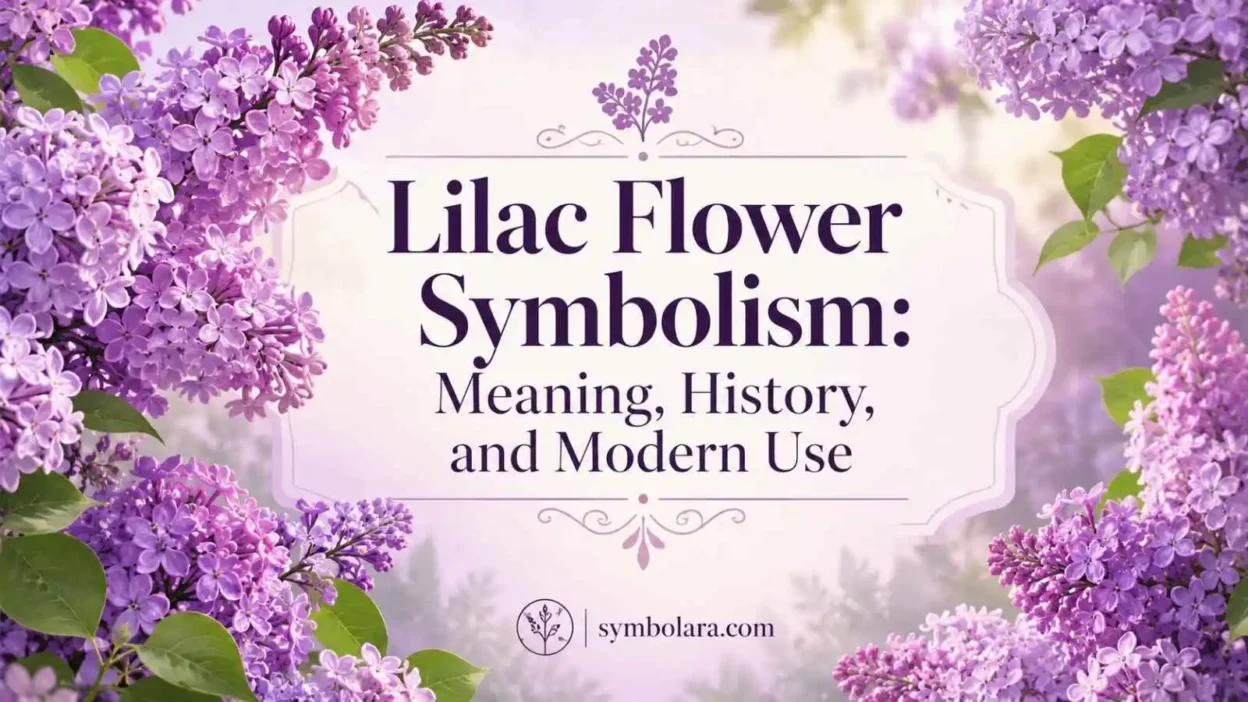
Lilac Flower Symbolism centers on first love, spring renewal, memory, and gentle affection. These fragrant blossoms appear in American yards, old neighborhoods, spring bouquets, wedding arrangements, and family stories that return each spring.
Many people love lilacs because the flower feels personal. A lilac shrub can stand beside a porch for decades, bloom after a hard winter, and fill the air with a scent that brings back childhood, romance, or a loved one’s garden.
In modern American culture, lilacs connect private memory with public beauty. People use them in home landscapes, spring festivals, sympathy arrangements, vintage decor, and wedding flowers. Their meaning shifts naturally from romance to remembrance because the flower belongs to so many emotional moments.
Quick Answer
Lilac Flower Symbolism commonly represents first love in modern American culture, especially tender affection, early romance, and the fresh emotional feeling of spring. Older flower-language traditions and American literary use also connect lilacs with memory, innocence, renewal, and mourning.
TL;DR
- Lilacs often symbolize first love and renewal.
- Their fragrance makes them strong memory flowers.
- Purple lilacs suggest early romance and affection.
- White lilacs express innocence and sincerity.
- Americans often connect lilacs with home and spring.
What Lilacs Look Like and Where People See Them
Lilacs grow as flowering shrubs or small trees with clusters of tiny, four-petaled blossoms. Most people recognize them by their cone-shaped flower heads, heart-shaped leaves, and sweet fragrance. Their colors range from pale lavender and classic purple to white, pink, blue-lavender, and deep violet.
Gardeners often plant lilacs near porches, fences, walkways, and older homes. The common lilac thrives best in colder regions, which explains its strong connection with New England, the Midwest, and northern gardens.
The flower’s physical traits support its meaning. Soft color suggests tenderness. Spring bloom suggests renewal. Strong fragrance explains why people connect lilacs with memory, nostalgia, and places from the past.
What Lilacs Commonly Mean in the United States
In the United States, lilacs most often mean first love, springtime, nostalgia, renewal, and gentle affection. The flower carries romance, but it does not feel as intense or formal as a red rose. A lilac suggests the beginning of emotion: a shy crush, a hopeful courtship, or a relationship remembered with warmth.
The flower also speaks strongly of home. Many lilac shrubs live for decades, so families often treat them as part of the landscape rather than simple garden plants. A shrub planted by a parent or grandparent can become a living marker of family history.
Seasonal timing adds another layer. Lilacs bloom after bare branches and cold weather, so Americans often read them as signs of relief and return. Their flowers arrive with open windows, fresh air, and the feeling that daily life has softened again.
Why Lilacs Became Symbols of First Love
Nineteenth-century flower language helped establish lilacs as symbols of first love. In that social world, people used flowers to express emotions politely, especially feelings they could not always say openly. Purple lilacs came to suggest the first stirrings of romantic affection.
That meaning fits the plant’s natural character. Lilacs bloom early in the warm season, when gardens feel new and uncertain. Their color feels romantic without the boldness of red, while their brief bloom mirrors the delicate intensity of early attraction.
Modern florists and gift-givers still use that association. Lilacs work well for new relationships, spring weddings, and anniversaries that honor how love began. They do not simply say “passion”; they say, “I remember the beginning.”
Spring Renewal and the Return of Warmth
Lilacs symbolize renewal because they bloom when spring starts to feel settled. In much of the United States, early spring brings mud, rain, cold mornings, and unpredictable skies. Once lilacs open, the season feels less fragile.
Their growth pattern makes the meaning easy to understand. Bare winter branches produce buds, leaves, and fragrant flowers within a short span. The plant shows return rather than sudden transformation.
People use lilacs in spring decor, garden writing, wedding arrangements, and seasonal photography for this reason. The flower brings freshness without loud color or heavy symbolism. It says life has resumed in a gentle, visible way.
Memory, Nostalgia, and the Power of Scent
Lilacs carry unusually strong nostalgia because scent reaches memory quickly. Many Americans connect the fragrance with a grandmother’s yard, a childhood street, a school walkway, a church garden, or the first house they remember clearly.
This quality makes lilacs feel more personal than many formal bouquet flowers. A lilac arrangement can feel like a piece of the past rather than a polished display. It can say, “I remember,” “this feels like home,” or “this season still carries someone’s presence.”
Their short bloom season also gives them a bittersweet quality. People wait for lilacs, enjoy them intensely, and lose them quickly. That cycle suits memories of childhood, first love, and loved ones who remain emotionally close even after time has passed.
Color Meanings of Purple, White, Pink, and Blue Lilacs
Lilac meanings shift by color, though these associations work best as cultural patterns rather than strict rules. Purple lilacs carry the strongest traditional link to first love, courtship, and emotional awakening.
White lilacs suggest innocence, sincerity, purity, and respectful remembrance. Pink lilacs lean toward warmth, gratitude, and affectionate friendship. Blue-lavender lilacs feel calm and reflective, while deep purple varieties add dignity and emotional depth.
| Lilac Color | Meaning in the USA | Common Associations | Best Use |
| Purple | First love and early romance | Courtship, spring, affection | New love, weddings, sentimental gifts |
| White | Innocence and sincerity | Youth, remembrance, purity | Memorials, simple bouquets, weddings |
| Pink | Warm affection | Friendship, gratitude, tenderness | Thank-you gifts and gentle romance |
| Blue-Lavender | Calm reflection | Peace, nostalgia, quiet beauty | Decor, tattoos, reflective arrangements |
| Deep Purple | Dignity and depth | Memory, elegance, maturity | Memorial designs and formal florals |
Purple Lilac Symbolism and Meaning
Purple lilacs carry the strongest traditional association with first love, youthful romance, and emotional awakening. Their soft purple color creates a feeling of affection that feels sincere and gentle rather than intense or dramatic.
In flower-language traditions, purple lilacs became connected with the earliest stages of love. They represented the excitement of discovering romantic feelings and the memories created during those first emotional experiences.
Today, people often choose purple lilacs for spring weddings, romantic gifts, and sentimental arrangements. They can express admiration, affection, and appreciation for the beginning of a relationship.
Purple lilac symbolism also extends beyond romance. Many people connect the color with creativity, reflection, dignity, and personal growth. Like all flower meanings, interpretation depends on culture, context, and personal connection.
Lilacs in American Gardens and Public Life
Lilacs came from Europe and Asia, but Americans have made them familiar garden flowers, especially in colder states. Settlers, gardeners, and nurseries spread them through home landscapes, public gardens, farms, and historic properties.
Place shapes their American meaning. In New England, lilacs often evoke old houses, stone walls, cool springs, and public garden traditions. In the Midwest, they often stand near farmhouses and small-town sidewalks. Farther north, their hardiness turns them into signs of endurance.
New Hampshire chose the purple lilac as its state flower, which adds a civic meaning to the shrub. In that context, the plant represents resilience, toughness, and the ability to thrive in a demanding climate. This state association supports a broader American reading of lilacs as beautiful but sturdy.
Cross-Cultural and Religious Associations
Lilacs carry different meanings across regions, so careful interpretation matters. In parts of southeastern Europe and the eastern Mediterranean, people often connect lilacs with spring festivals and Easter-season bloom. Those settings give the flower meanings of return, celebration, and new life.
The name Syringa also gives lilacs an older classical background. The word connects with hollow stems and pipe-like forms, which later writers linked to the Greek myth of Syrinx and Pan’s pipes. Most Americans do not think of that myth when they see lilacs, but it adds an older layer around transformation and voice.
Christian settings usually use lilacs because of the season rather than fixed doctrine. Churches may include lilacs in Easter arrangements because the flowers bloom in spring and support themes of renewal. Lilies, palms, and roses hold stronger formal religious roles, while lilacs remain more seasonal and local.
Lilacs in Literature and Mourning Traditions
Lilacs also carry a serious memorial meaning in American culture. Walt Whitman’s elegy for Abraham Lincoln helped connect the flower with grief, remembrance, and national mourning. That literary use gave lilacs a place in the emotional language of loss.
Everyday American funeral customs do not treat lilacs as the default mourning flower. Still, many people choose them for memorials when the deceased loved spring, gardening, a family home, or a particular lilac bush.
This mourning meaning feels intimate rather than ceremonial. Lilacs suit private remembrance: cutting blooms from an old shrub, planting one for a loved one, or using the scent to recall someone. Their beauty does not erase grief; it gives memory a living form.
Emotional and Psychological Meaning
Emotionally, lilacs communicate tenderness, calm, and recollection. Their soft colors feel approachable, while their fragrance creates a direct path to memory. They suggest affection without pressure and beauty without showiness.
The flower also works well as a symbol for transition. Lilacs bloom between winter and summer, so they fit emotional thresholds: first love, healing after sadness, leaving childhood, beginning again, or returning to a place that changed with time.
People who choose lilacs for tattoos, gifts, or decor often want meaning that feels gentle and personal. The flower can signal vintage taste, love of gardens, family memory, softness, or romantic restraint. It rarely feels loud; its strength comes from recognition.
Spiritual Meaning of Lilac Flowers
Lilacs do not have one universal spiritual meaning, but many people connect them with inner growth, renewal, peace, and emotional healing. Their spring bloom often represents moving forward after difficult periods and welcoming a fresh stage of life.
In spiritual and reflective practices, lilacs are often viewed as flowers of gentle transformation. Their return after winter can represent patience, hope, and the idea that growth happens naturally over time.
Purple lilacs are sometimes associated with intuition, wisdom, and deeper reflection because purple has long been connected with imagination and spirituality in many cultures. White lilacs may represent clarity, sincerity, and peaceful intentions.
For many people, the spiritual meaning of lilacs comes less from tradition and more from personal experience. A lilac bush connected to a childhood home, family member, or important memory can become a personal symbol of connection, gratitude, and emotional renewal.
Modern Uses in Tattoos, Decor, Fashion, and Digital Culture
Lilac tattoos often represent first love, remembrance, healing, or a personal bond with spring. A single stem can look delicate and private, while a fuller branch may suggest family roots, growth, or a major life chapter.
Fashion and jewelry use lilac tones to create softness, calm, and a romantic vintage mood. The color feels less formal than violet and less childish than pastel pink, which makes it popular for spring outfits, bridesmaid dresses, hair accessories, and floral jewelry.
Home decor uses lilacs in wallpaper, cottage-inspired rooms, table settings, and seasonal arrangements. Online, the flower fits garden aesthetics, cottagecore imagery, nostalgic quote graphics, and soft romantic visuals. Digital culture often treats lilac as a color and flower of gentleness, memory, and quiet beauty.
Wedding, Gift, and Relationship Symbolism
Lilacs suit weddings that aim for a spring mood, garden setting, vintage style, or sentimental family atmosphere. They work especially well in May weddings, backyard ceremonies, and venues where fragrance and season matter.
As gifts, lilacs feel romantic but subtle. They can express tender feelings, gratitude, spring joy, or affection for someone connected with home and memory. A bouquet can suit a partner, parent, friend, or grandparent, depending on color and context.
For anniversaries, lilacs can honor the start of a relationship. Their first-love meaning does not suggest shallow love. Instead, it points back to the early moment when affection first took shape.
Common Misunderstandings About Lilac Symbolism
A common mistake claims that every lilac meaning reaches back to ancient times. Many familiar flower meanings grew through nineteenth-century floriography, literature, gardening customs, and modern floral use. That background still matters, but it does not make every interpretation universal.
Another misunderstanding treats lilacs as a major ancient Native American symbol because people see them across the United States. Common lilacs did not originate in North America, so broad claims about Indigenous lilac symbolism need specific evidence.
Modern content sometimes stretches lilacs into vague ideas such as “mystical power” or “secret energy.” The strongest meanings stay more grounded. Lilacs speak most clearly about first love, spring, memory, innocence, home, and remembrance.
How Lilac Meaning Has Changed Over Time
Lilac meaning has expanded from courtship into wider emotional use. Older flower-language systems emphasized first love and youthful innocence. A bouquet could carry a quiet romantic message when direct speech felt too bold.
American garden culture widened the meaning. As lilacs grew beside homes, farms, parks, and historic houses, they became symbols of domestic memory, seasonal return, regional identity, and resilience.
Today, lilacs move easily between romance, decor, tattoos, memorials, and digital imagery. Their meaning remains flexible because the flower itself combines several emotional signals: fragrance, early bloom, soft color, and a short season people remember.
How to Interpret Lilacs in Real Life
Context decides the clearest meaning. A lilac tattoo on someone’s wrist may speak of memory or early love, while lilacs in a wedding bouquet may highlight spring romance. A white lilac at a memorial may suggest innocence, sincerity, or peaceful remembrance.
Color, setting, and relationship matter more than any single dictionary meaning. Purple lilacs usually lean romantic, white lilacs feel more sincere or memorial, and pink lilacs often feel affectionate and warm.
When giving lilacs, think about the message the receiver will understand. A person who grew up with lilacs may read them as home and childhood. Someone receiving them in a new relationship may notice the first-love meaning first.
Lilac Flower Meaning in Dreams
Seeing lilacs in dreams is often interpreted as a symbol of memory, emotional renewal, affection, or a meaningful connection from the past. Because lilacs are strongly linked with fragrance and seasonal return, dream interpretations often focus on feelings of nostalgia and personal growth.
A blooming lilac plant in a dream may represent a new beginning, emotional healing, or a positive change developing in life. A fading lilac may reflect a memory, relationship, or season of life that someone is processing.
The meaning depends on the dreamer’s personal experience. Someone who associates lilacs with family, childhood, or a specific person may interpret the flower differently from someone who simply sees it as a beautiful spring plant.
Dream symbolism is personal rather than fixed. Lilacs can offer a useful reflection point, but the emotions and circumstances surrounding the dream usually provide the clearest meaning.
FAQs
A lilac flower most often symbolizes first love, spring renewal, tenderness, and memory. In modern American use, it can also suggest nostalgia, home gardens, and gentle affection.
A lilac tattoo often represents first love, remembrance, healing, or a personal connection to spring. Many people choose it to honor a loved one, a childhood place, or a softer emotional chapter in life.
Lilacs can feel romantic, especially purple lilacs. Their romance usually suggests early love, shy affection, courtship, and the memory of how a relationship began.
White lilacs commonly symbolize innocence, sincerity, youth, and respectful remembrance. They work well in weddings, memorial arrangements, and simple spring bouquets.
Lilacs do not mainly symbolize death, but they can express mourning and remembrance. Their memorial meaning comes from literature, springtime renewal, and the way their scent recalls people and places from the past.
Lilacs do not hold a major formal religious role like lilies or palms. In Christian settings, people may use them around Easter because they bloom in spring and support themes of renewal.
Lilacs feel nostalgic because their fragrance strongly triggers memory. Many shrubs also grow for decades near homes, schools, churches, and old neighborhoods, so people connect them with earlier stages of life.
Lilacs often symbolize the beginning of love, tenderness, affection, and meaningful memories in a relationship. They are especially connected with first love and sentimental connections.
Conclusion
Lilacs carry meaning because they combine season, scent, color, and place. They bloom when spring feels real, perfume the air for a short time, and often grow near homes where personal memories gather.
At its clearest, Lilac Flower Symbolism points to first love, renewal, memory, innocence, and tender affection. The flower can feel romantic, but it can also feel nostalgic, domestic, literary, or memorial.
A lilac does not need dramatic symbolism to matter. Its message remains simple and human: something beautiful has returned, and the moment deserves attention.
[…] spiritual practices, flower meanings often depend on individual experience, cultural background, and personal intention. A red carnation […]
[…] time, that sword image softened. The gladiolus did not become a symbol of violence in ordinary American flower use. Instead, the sword became a metaphor for inner resolve, discipline, and honorable […]