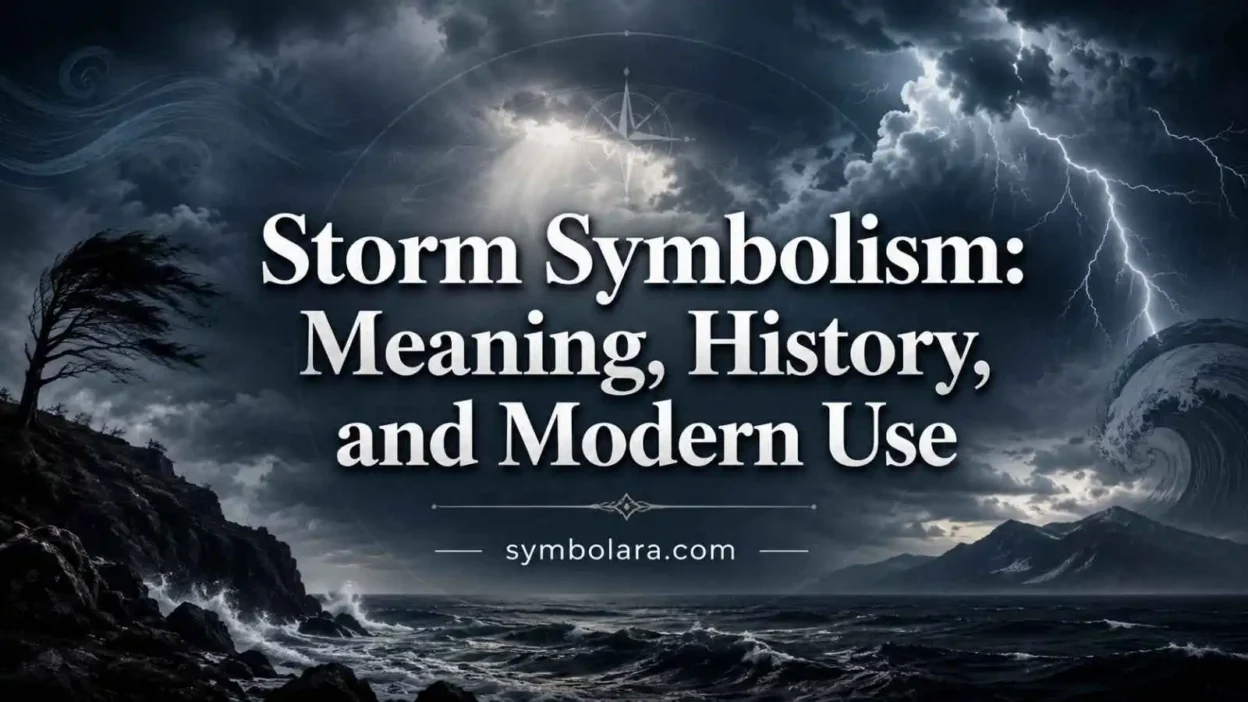
Storm Symbolism explains why storms are so often used to represent emotional turmoil, sudden change, danger, cleansing, and survival. A storm is never just a background image. It darkens the sky, interrupts ordinary life, and forces people to notice that something powerful is moving through the world.
That is why storms work so well as symbols. They make invisible feelings visible: grief, anger, fear, uncertainty, pressure, release, and recovery. In modern American culture, storms appear in stories, tattoos, music, movies, religious language, weather warnings, memorial art, and everyday phrases like “weather the storm.”
A storm can be frightening, but it is not only negative. It can also suggest honesty, renewal, endurance, and the clearing that follows a difficult season. Its meaning depends on context: a thunderstorm in a poem, a hurricane in a memoir, a lightning tattoo, and a storm cloud in a painting all carry different emotional weight.
Quick Answer
Storm Symbolism commonly represents chaos, emotional turmoil, danger, and major life change in modern American culture. Historically, storms have also symbolized divine power, cleansing, judgment, renewal, and the limits of human control before nature.
TL;DR
- Storms often symbolize crisis, pressure, and emotional release.
- Americans commonly connect storms with resilience and survival.
- Ancient cultures linked storms with gods and authority.
- Rain can suggest cleansing, grief, or renewal.
- Storm tattoos often represent endurance after hardship.
- Real disaster imagery should be handled respectfully.
What a Storm Symbol Looks Like
A storm symbol usually appears through familiar visual signs: dark clouds, lightning bolts, heavy rain, high wind, rough seas, tornado funnels, snow, flooding, or a sky split between darkness and light. Sometimes the image is literal, such as a ship caught in violent waves. In other cases, the storm is reduced to one quick symbol, like a jagged bolt of lightning or a single black cloud.
Motion is central to storm imagery. Slanted rain suggests force. Swirling clouds suggest instability. Bent trees show pressure. Lightning creates sudden drama because it cuts across the sky in an instant.
People encounter storm symbols in weather apps, emergency graphics, book covers, film posters, tattoos, album art, sports branding, social media captions, and home decor. The image works quickly because almost everyone understands the feeling of a darkening sky. Even without personal experience of a hurricane or tornado, most people recognize a storm as a sign that calm has been interrupted.
Storm Symbolism Compared With Lightning and Rain Symbolism
Storms, lightning, and rain are closely connected symbols, but each carries a different meaning. A storm represents the entire experience: buildup, conflict, pressure, danger, and what comes afterward. Lightning focuses on a single powerful moment, while rain often represents emotional release or renewal.
| Symbol | Common Meanings |
|---|---|
| Storm | Change, conflict, pressure, survival, transformation |
| Lightning | Sudden insight, power, shock, revelation |
| Rain | Cleansing, grief, healing, growth, renewal |
| Thunder | Warning, authority, emotional intensity |
Together, these symbols create a larger story. A dark storm cloud may suggest approaching difficulty. Lightning may represent the moment when a truth becomes clear. Rain may symbolize what happens after the struggle, such as healing or a fresh beginning.
Because these symbols appear together so often, people sometimes use them interchangeably. However, understanding their differences creates a more accurate interpretation in art, tattoos, writing, and personal symbolism.
What Storms Commonly Mean in the United States
In the United States, storms often symbolize trouble that must be endured. This meaning comes from both metaphor and lived experience. Americans use storm language to describe illness, grief, debt, public controversy, political conflict, family stress, and emotional hardship.
The phrase “weather the storm” is especially important. It suggests that the difficulty is serious but not necessarily permanent. Instead of promising an easy escape, the phrase emphasizes steadiness, patience, and survival until conditions change.
Regional experience also shapes meaning. Along the Gulf Coast and Atlantic Coast, hurricanes can bring memories of evacuation, rebuilding, flood damage, and community loss. In the Great Plains and Midwest, tornadoes often symbolize sudden destruction and urgent warning. In northern states, blizzards may suggest isolation, endurance, and the harshness of winter.
For many Americans, storm imagery carries a double meaning. It can point to danger, but it can also honor the people who survive, rebuild, and help one another afterward.
Ancient Roots and Storm Gods
Storms gained symbolic meaning long before modern weather science. In many early cultures, thunder, lightning, wind, and rain were understood as signs of supernatural power. The sky was not simply atmosphere; it seemed like a realm where authority, punishment, fertility, and protection descended into human life.
Greek mythology connected thunder and lightning with Zeus, ruler of the gods. His lightning bolt became a sign of command, judgment, and overwhelming authority. In Hindu tradition, Indra was associated with storms, rain, thunder, and warfare, making storm power a sign of both destruction and life-giving water.
Norse tradition placed thunder around Thor, whose hammer became a symbol of strength, protection, and force. Modern American audiences often know Thor through comics and films, but the older pattern remains easy to recognize: storm power is tied to defense, dramatic action, and physical strength.
Across these traditions, storms were rarely treated as random weather. They were signs that a force greater than ordinary human control had entered the scene.
Storm Symbolism in Different Cultures Around the World
Storm symbolism appears across many cultures because storms affect human survival everywhere. Before modern forecasting, thunder, lightning, and heavy rain were powerful natural events that inspired stories about gods, spirits, protection, and change.
Examples include:
- Ancient Greece: Zeus’s lightning represented authority, power, and judgment.
- Norse tradition: Thor’s connection with thunder represented strength and protection.
- Hindu traditions: Indra was associated with storms, rain, and victory.
- Japanese traditions: Thunder and storm beings appear in mythology connected with natural forces.
- African traditions: Some cultures connect thunder and rain with spiritual authority and life-giving power.
Although storm meanings differ, a common theme appears across many traditions: storms represent forces larger than humans. They can bring fear, but they can also bring needed rain, renewal, and balance.
Modern interpretations continue this pattern. People still use storms to express struggle, transformation, and the experience of facing something powerful.
Storms in Religious Imagination
Religious traditions often use storms to express awe, fear, judgment, protection, and revelation. In biblical language, a storm may represent divine presence or the limits of human understanding. A storm at sea can show human vulnerability, while thunder can suggest authority that comes from beyond ordinary life.
Rain also has layered meaning in religious imagination. It can bring fertility, blessing, and renewal, but floods can represent destruction, judgment, or a complete reshaping of the world. The same water that gives life can also overwhelm.
In modern American religious language, storms often appear in sermons, gospel songs, recovery stories, and personal testimony. When someone says they found faith “in the storm,” they usually mean they found steadiness during fear, grief, illness, or uncertainty. The storm is not praised for its damage; it becomes a way to describe endurance through suffering.
Indigenous Traditions and the Meaning of Thunder
North American storm symbolism also includes Indigenous traditions, but this subject should be handled with care. There is no single “Native American meaning” of storms. Different nations, regions, languages, and ceremonial systems hold different stories and teachings about thunder, rain, lightning, sky beings, and weather.
One well-known example is the Thunderbird, a powerful being found in different forms among several Indigenous traditions. In some communities, Thunderbird stories connect thunder, lightning, rain, protection, and the upper sky. These meanings are not generic decorations; they belong to living cultures with their own histories and responsibilities.
Because of that, storm imagery inspired by Indigenous traditions should not be flattened into a vague “spiritual” symbol. A Thunderbird design, for example, is not the same as a simple storm cloud or lightning bolt. Respectful interpretation keeps cultural context separate from casual aesthetic use.
Storms in Literature, Art, and Film
Writers and artists use storms because they change the emotional mood of a scene immediately. A storm can trap characters, expose secrets, interrupt plans, or force a decision. It can also mirror what a character is feeling inside.
In literature, storms often appear at turning points. A thunderstorm may arrive before a confession, a betrayal, a death, or a revelation. The weather does not merely decorate the scene; it intensifies the conflict.
In visual art, stormy skies often suggest the sublime: nature as beautiful, frightening, and beyond human control. Paintings of ships in rough seas, trees bending in wind, or mountains under dark clouds remind viewers that human life is small when set against natural force.
Film uses storm imagery in a similar way. A storm can isolate a house, close roads, cut power, or create the perfect conditions for fear and confrontation. In disaster movies, storms become both plot and symbol, showing how people behave when normal systems fail.
Emotional and Psychological Meaning
Emotionally, storms symbolize pressure reaching a breaking point. Dark clouds suggest heaviness. Thunder can express anger, warning, shock, or fear. Lightning may represent sudden insight, danger, attraction, or a truth that arrives all at once.
Rain adds another layer. It can symbolize tears, grief, release, cleansing, or quiet sadness. A light rain feels different from a violent downpour, so the emotional meaning changes with intensity.
Storm symbolism works because weather affects the body. Loud thunder startles. Heavy wind unsettles. A black sky can make people feel alert before they even know why. For those who have lived through hurricanes, tornadoes, floods, or severe winter storms, the image may carry real memory rather than abstract meaning.
That emotional range makes the storm a flexible but serious symbol. One person may see it as strength. Another may connect it with loss. Both reactions can be true.
Storm Symbolism in Dreams: Different Types and Their Meanings
Dreams about storms are often connected to strong emotions, uncertainty, or situations that feel difficult to control. The meaning depends on the details of the dream, including the type of storm, the dreamer’s reaction, and what happens afterward.
Common storm dream interpretations include:
- A thunderstorm: May represent emotional tension, sudden changes, or a moment of realization.
- A hurricane: Can symbolize feeling overwhelmed by a major situation or powerful emotions.
- A tornado: Often represents sudden disruption, fear, or a problem that feels unpredictable.
- A storm passing away: May suggest recovery, acceptance, or moving beyond a difficult period.
- Watching a storm from safety: Can represent awareness of problems without being directly affected.
Dream symbolism is personal rather than universal. A storm dream may reflect real-life stress, memories, fears, or transitions rather than a fixed message. Someone who has experienced severe weather may connect storm dreams with personal memories, while another person may see the same image as a metaphor for emotional change.
Storms as Change, Conflict, and Cleansing
A storm often marks the moment when pressure can no longer stay hidden. The air changes, the sky darkens, and something breaks open. This is why storms are so closely tied to conflict and transition.
In stories, the storm may arrive when a character can no longer avoid the truth. In personal symbolism, it can represent anger finally spoken, grief finally felt, or fear finally named. The weather becomes a visible form of inner upheaval.
Cleansing is another major meaning. Rain washes dust from streets, cools hot air, and changes the atmosphere. This does not erase the danger of storms, but it explains why they often symbolize renewal after distress.
The difference between destruction and transformation matters. A storm may break what is fragile. It may also reveal what needed to change.
Positive and Negative Meanings of Storms
Storms are meaningful because they hold opposite ideas at once. They can frighten and renew. They can destroy and cleanse. They can isolate people, yet they can also bring communities together through rescue, care, and rebuilding.
| Context | Meaning in the USA | Common Associations | Notes |
| Personal hardship | Endurance through crisis | Resilience, pressure, survival | Common in recovery language |
| Literature and film | Conflict or turning point | Secrets, danger, confrontation | Storms often force action |
| Religious symbolism | Awe or divine power | Judgment, humility, revelation | Meaning depends on tradition |
| Tattoos | Strength after struggle | Courage, change, survival | Often paired with lightning or waves |
| Disaster memory | Loss and rebuilding | Trauma, community, preparedness | Should be handled respectfully |
Context decides the meaning. A storm on a book cover may promise drama. A storm tattoo may mark a private victory. A storm memorial image may carry grief, respect, and remembrance.
Why Storms Appear in Tattoos
Storm tattoos often represent survival. People choose storm clouds, lightning, rain, waves, or tornadoes to mark a period of hardship they lived through. The meaning is usually not “I love chaos.” More often, it means “I endured what could have broken me.”
Lightning tattoos can suggest intensity, sudden insight, danger, courage, or personal force. Rain tattoos may point to grief, cleansing, emotional release, or a season of sadness. Ocean storm tattoos often symbolize feeling overwhelmed while still trying to move forward.
Additional images can shift the meaning. A lighthouse may suggest guidance. A ship can represent endurance. Sunlight breaking through clouds points toward hope. Mountains can add steadiness, while roots or trees may suggest resilience under pressure.
A storm tattoo is usually most meaningful when it includes personal context. Without that context, viewers may see only drama, danger, or mood.
Storms in Jewelry, Fashion, and Decor
In personal style, storm imagery often communicates intensity, independence, and emotional honesty. Lightning bolt jewelry can feel bold and energetic. Storm cloud motifs may suggest moodiness, creativity, or a willingness to face difficult feelings.
Fashion uses storm colors for drama. Charcoal, silver, navy, gray, black, and electric blue can create a look that feels sharp, modern, or atmospheric. These colors often suggest strength without needing obvious symbols.
Home decor uses storm imagery in a more reflective way. A large storm painting can make a room feel cinematic or serious. Coastal storm photography may show respect for nature’s force. Abstract storm art can bring motion, contrast, and emotional texture into a space.
Most people do not use storm decor because they want their homes to feel unsafe. They use it because storm imagery adds depth, movement, and a sense of nature’s changing moods.
Storms in Digital Culture and Everyday Language
Storm imagery is common in digital culture because it communicates emotion quickly. A dark cloud emoji can suggest sadness, stress, or a bad mood. A lightning emoji may mean speed, attraction, energy, danger, or surprise. Stormy sky photos often express feelings that the caption does not directly name.
American English also uses storm language constantly. A “media storm” means sudden public attention or controversy. A “storm of criticism” means intense backlash. “The calm before the storm” warns that quiet conditions may not last. Even “brainstorm” turns storm energy into creativity and rapid thought.
These phrases show how deeply storm symbolism has entered everyday speech. A storm is not only a weather event. It has become one of the most common ways Americans describe pressure, conflict, noise, change, and emotional intensity.
Common Misunderstandings About Storm Symbolism
The most common misunderstanding is treating storms as only negative. Storms can symbolize danger, grief, and chaos, but they can also represent release, cleansing, courage, truth, and renewal.
Another mistake is romanticizing disaster. A fictional storm may look beautiful on screen, but a real hurricane, tornado, flood, blizzard, or severe wind event can destroy homes and lives. Symbolic writing should never turn real suffering into decoration.
It is also easy to assume every storm symbol is spiritual. Sometimes a storm simply means danger in a weather graphic, tension in a movie, or mood in a painting. Not every storm cloud carries sacred meaning.
Lightning is often confused with storm symbolism as a whole. Lightning is sharp, sudden, and dramatic. A full storm includes buildup, pressure, atmosphere, release, damage, and aftermath.
How Storm Meaning Has Changed Over Time
In early mythic and religious settings, storms were often understood as signs of divine or supernatural power. Without modern radar, satellites, and atmospheric science, thunder and lightning seemed like direct messages from forces above human life.
Modern science changed how people explain storms. Today, meteorology can describe pressure systems, ocean heat, wind shear, storm surge, lightning formation, and warning patterns. Forecasting helps people prepare for severe weather in ways earlier societies could not.
Even so, science has not erased symbolism. Americans can read a radar map while still using storms as metaphors for grief, conflict, politics, illness, or personal transformation. The practical and symbolic meanings now exist side by side.
This blend becomes especially visible during major weather events. People charge phones, check alerts, prepare emergency supplies, and watch evacuation updates. Afterward, they tell stories about fear, loss, neighbors helping neighbors, and the strange quiet after danger passes.
Positive Storm Symbolism
Storms can symbolize strength when the focus is on endurance rather than destruction. A storm tests what can hold. It clears the air. It exposes weakness. It reminds people that control has limits.
In personal symbolism, a storm can mean, “I went through something difficult and came out changed.” That meaning explains why storm imagery appears in recovery writing, memorial art, personal essays, tattoos, and motivational language.
Positive storm symbolism is strongest when paired with signs of shelter, light, roots, mountains, lighthouses, or the sun returning. Those images keep the storm from becoming only chaos. They point toward direction, survival, and life after the hardest part has passed.
Negative Storm Symbolism
Storms also carry meanings of danger, instability, fear, grief, and loss. They can represent a crisis that overwhelms ordinary life. A storm may symbolize a relationship conflict, a mental health struggle, a public scandal, or a period when everything feels uncertain.
In disaster contexts, storm imagery can be painful. For people who have lived through hurricanes, tornadoes, floods, or blizzards, the symbol may call up memories of sirens, evacuation, damaged homes, or grief.
Negative storm symbolism is not a mistake. It is part of the symbol’s honesty. A storm matters because it cannot be made completely gentle.
FAQs
Spiritually, a storm often symbolizes trial, revelation, cleansing, or a force greater than human control. In religious settings, it may represent divine presence, judgment, protection, humility, or the struggle to remain faithful during hardship.
Storm symbolism can be positive or negative depending on context. It may represent danger and chaos, but it can also symbolize resilience, cleansing, truth, and renewal after a difficult period.
A storm tattoo usually represents survival, emotional strength, or personal transformation. Lightning, rain, waves, clouds, or sunlight can change the meaning and make the design more personal.
In dream interpretation, storms often suggest emotional pressure, fear, conflict, or change. A dream storm may point to feelings that are building up or a situation that feels outside the dreamer’s control.
Lightning adds a sharper meaning: sudden insight, shock, danger, power, or a decisive moment. A storm suggests atmosphere and buildup, while lightning suggests the instant when something breaks through.
Storms create tension quickly and make characters react. They can isolate people, interrupt plans, mirror emotional conflict, or signal that an important turning point is about to happen.
“After the storm” usually symbolizes recovery, quiet, survival, or a changed life after crisis. The phrase does not mean the damage never happened; it means the most intense part has passed.
Storms are powerful symbols because they combine danger and renewal. They show both the destructive force of nature and the possibility of survival, growth, and change afterward.
Conclusion
Storms symbolize moments when pressure, fear, change, and emotion can no longer stay hidden. They represent danger, but also release. Their meaning can point to destruction, yet it can also suggest the clearing that follows a difficult season.
In American culture, Storm Symbolism is especially tied to resilience: the ability to endure hardship, rebuild, and understand calm differently after disruption. This is why storms remain common in tattoos, literature, art, film, spiritual language, decor, and everyday speech.
A storm is never a small image. It reminds people that life can change quickly, that control has limits, and that survival often begins before the sky clears.