
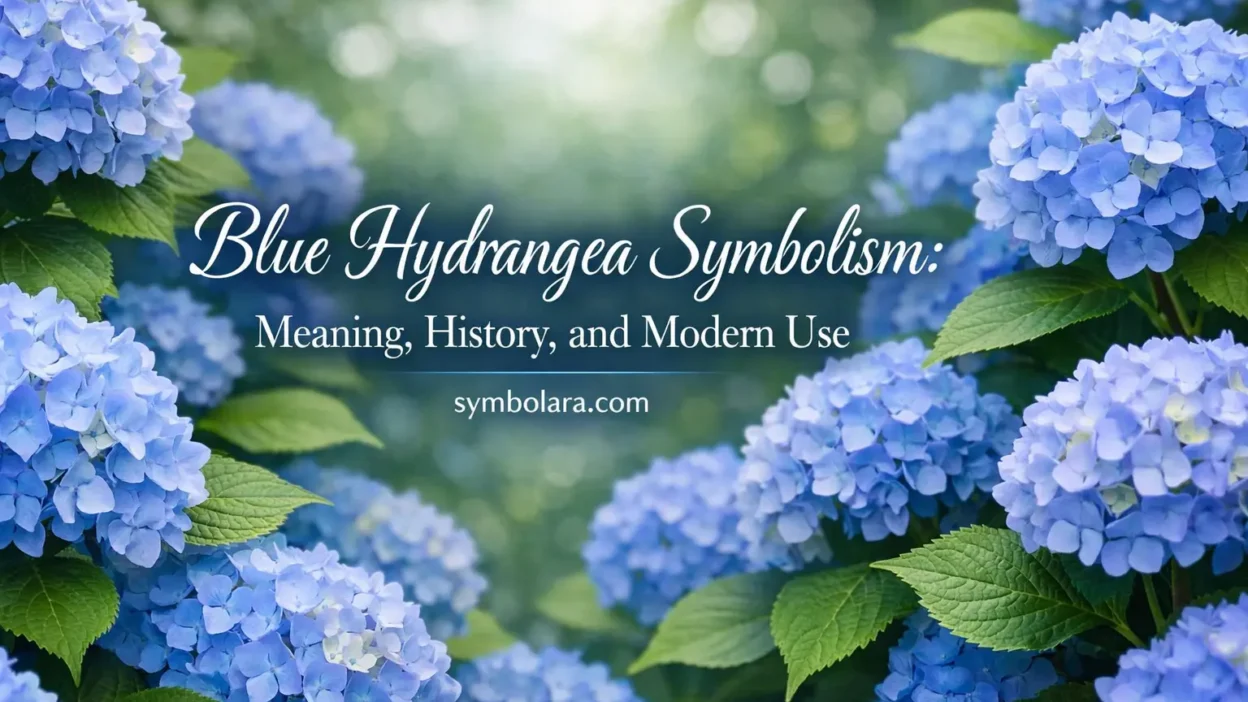
Blue hydrangeas usually symbolize gratitude, understanding, apology, sincerity, and calm emotional warmth. In modern American culture, they often feel thoughtful rather than dramatic and affectionate rather than intensely romantic. That is a big part of their appeal. The bloom is lush and visually generous, but the blue color softens it, making it read as composed, reflective, and emotionally aware. The blue color itself is also not arbitrary: in many bigleaf hydrangeas, blue blooms develop in acidic soil when aluminum is available to the plant.
This unique combination of meanings makes blue hydrangeas a popular choice for thank-you bouquets, reconciliation gifts, sympathy arrangements, weddings, porch gardens, and coastal-inspired home décor. Unlike flowers that symbolize intense passion or romance, blue hydrangeas communicate a quieter and more thoughtful message. They represent emotional understanding, gratitude, sincerity, and the desire to restore harmony. In many ways, they say: “I appreciate you,” “I understand your feelings,” or “I hope we can make things right.”
Quick Answer
Blue hydrangeas most commonly symbolize gratitude, understanding, apology, and emotional honesty in modern American usage. Historically, hydrangeas also picked up older meanings such as vanity, boastfulness, or emotional coldness in parts of European flower language, while later Japanese-associated traditions helped strengthen the now-familiar reading of heartfelt feeling and apology.
What Blue Hydrangeas Look Like And Why People Notice Them
Blue hydrangeas are usually recognized by their large clustered flower heads, broad leaves, and full summer presence. In the United States, the image many people know best is the bigleaf hydrangea, especially mophead forms with rounded masses of blue florets. The flowers can range from pale sky blue to richer blue-violet depending on the cultivar and the growing conditions. Extension sources note that, for most bigleaf hydrangeas, acidic soil tends to produce blue flowers, while higher pH pushes them pink.
That appearance shapes the symbolism. A blue hydrangea looks abundant, domestic, and settled. It does not have the spare elegance of an iris or the sharp drama of an orchid. It feels welcoming, generous, and rooted in lived spaces like porches, garden borders, and old neighborhood yards.
What Blue Hydrangeas Commonly Symbolize In The United States
In present-day American culture, blue hydrangeas most often symbolize gratitude and thoughtful feeling. They are a natural fit for situations where someone wants to express appreciation without sounding formal or stiff.
They also commonly symbolize understanding. The flower often feels emotionally intelligent rather than impulsive. A bouquet of blue hydrangeas can suggest care, patience, and the wish to communicate with honesty.
Apology is another major meaning. This is one reason blue hydrangeas often appear in lists of flowers for reconciliation or heartfelt regret. That reading is influenced strongly by Japanese-associated legend and later popular floral interpretation.
Calm is the fourth major meaning. In American visual culture, blue is widely associated with steadiness, trust, quiet, and peace. When paired with the hydrangea’s soft mass of petals, the result is a flower that feels soothing rather than heated.
Why The Color Blue Changes The Meaning
Hydrangeas as a broader flower can carry mixed meanings, but blue narrows the emotional signal. It shifts the flower away from sheer showiness and toward reflection, tact, and emotional maturity.
Part of that is basic cultural color reading. Blue tends to suggest calm, reserve, sincerity, and dependability. So when people see a blue hydrangea, they often read it as emotionally full but socially graceful. It suggests feeling without chaos, softness without weakness, and affection without possessiveness.
That is why blue hydrangeas are often chosen for occasions that call for nuance. They work well when roses might feel too intense and white flowers alone might feel too distant.
Blue Hydrangea Color Meaning: Why Blue Matters
The blue color of hydrangeas plays an important role in how people interpret their symbolism. Across many cultures, blue is often associated with calmness, reliability, honesty, and emotional depth.
Unlike brighter flower colors that often communicate excitement or passion, blue creates a quieter emotional message. A blue hydrangea does not usually feel dramatic. Instead, it suggests stability, thoughtfulness, and peaceful connection.
The color blue can add several symbolic layers to hydrangeas:
- Calmness: Blue creates a feeling of relaxation and emotional balance.
- Trust: Blue is often connected with honesty and dependability.
- Understanding: The color suggests patience and thoughtful communication.
- Reflection: Blue encourages a sense of peace and inner awareness.
This combination makes blue hydrangeas especially meaningful for situations where someone wants to communicate care without overwhelming emotion. The flower’s color helps transform the hydrangea from a simple decorative bloom into a symbol of quiet emotional expression.
The Botanical Reason Blue Hydrangeas Feel Symbolic
Blue hydrangeas are unusual because their color visibly responds to the environment. Extension guidance from Mississippi State, UMass, and Kansas State all note that many bigleaf hydrangeas turn blue in more acidic soil, especially where aluminum is available, while neutral to alkaline soil pushes blooms toward pink.
That has given blue hydrangeas a symbolic life beyond ordinary color meaning. The flower appears responsive, adaptive, and shaped by context. Even people who do not know the chemistry often sense that hydrangeas are flowers of change.
In personal symbolism, that can translate into emotional sensitivity, self-awareness, adaptability, and the idea that expression changes with conditions. It is one reason blue hydrangeas appeal to people who like symbols that feel gentle but not simplistic.
Ancient Roots And The Plant’s Early Background
Hydrangeas are native to both the Americas and eastern Asia, and Britannica notes that the genus Hydrangea includes species from the Western Hemisphere and eastern Asia. The common garden image that many Americans picture, though, is strongly tied to East Asian horticultural history, especially Japan. Britannica also notes that the name hydrangea comes from Greek roots meaning “water” and “vessel,” referring to the seed capsules.
That background matters because blue hydrangea symbolism did not come from one single ancient myth. It developed over time through plant movement, garden fashion, color interpretation, and flower-language traditions. In other words, its meaning is layered rather than singular.
How Japanese Tradition Shaped The Meaning
Japanese associations are especially important to blue hydrangea symbolism as people understand it today. A widely repeated floral tradition says hydrangeas came to symbolize heartfelt emotion, gratitude for understanding, and apology after a Japanese emperor gave them to the family of a woman he had neglected. That story is now one of the main reasons blue hydrangeas are associated with remorse and sincerity in modern flower symbolism.
Whether taken as legend, cultural shorthand, or later popular interpretation, the story helped fix a particular emotional tone around the flower. Blue hydrangeas came to feel tender, regretful, appreciative, and sincere rather than ardent or theatrical.
That reading aligns well with the flower’s visual effect. Blue hydrangeas look expansive, but not aggressive. They look heartfelt, but controlled.
The Older European Meanings People Still Mention
Not all hydrangea symbolism has been positive. In Victorian and post-Victorian flower language, hydrangeas were sometimes linked with vanity, boastfulness, frigidity, or heartlessness. Modern florist and flower-language sources still repeat those meanings, often explaining them by pointing to the flower’s lush, showy bloom.
This is why people sometimes get contradictory answers when they search for hydrangea symbolism. Both traditions exist. One emphasizes apology, understanding, and heartfelt feeling. The other emphasizes pride, coldness, or excess.
The most accurate way to understand the contradiction is historically. Older European flower language often leaned negative. Modern American use, especially for blue hydrangeas, is much more likely to lean positive, gracious, and emotionally intelligent.
Why Blue Hydrangeas Feel Especially American Today
In the United States, blue hydrangeas have taken on a distinctly domestic symbolism shaped by gardens, porches, seasonal decor, and coastal style. They are especially tied to summer landscapes, East Coast and Southern garden imagery, and the polished softness of cottage-style decorating.
That setting changes the message. In American culture, a blue hydrangea is rarely read first as an abstract spiritual emblem. It is more often read as a flower of tasteful hospitality, settled beauty, and emotional grace. It suggests a home that is cared for, a space that is calm, and a style of beauty that feels familiar rather than wild.
This is one reason blue hydrangeas often carry a lifestyle feeling in addition to a floral meaning. They evoke memory, seasonal nostalgia, family gatherings, and the visual language of porches, coastal cottages, and long summer afternoons.
Where Blue Hydrangeas Appear In Weddings, Sympathy, And Gifts
Blue hydrangeas are popular in weddings because they communicate abundance and softness without the intensity of red flowers. Their rounded bloom heads create fullness, while the blue tones keep the effect calm and elegant.
They also work especially well in sympathy arrangements. Because they can suggest peace, understanding, and respectful care, they fit occasions that call for emotional gentleness.
As gifts, blue hydrangeas are often well suited to thank-you moments, reconciliation, and emotionally careful communication. They can say, “I appreciate your kindness,” “I’m sorry,” or “I’m thinking of you,” all without sounding overly dramatic.
Emotional And Psychological Associations
Emotionally, blue hydrangeas suggest gentleness under control. They are not symbols of impulsive desire. They are more likely to suggest reflection, patience, tact, and care that has been considered.
Psychologically, the combination matters. Blue often reads as calming and trustworthy, while the hydrangea’s clustered bloom can feel full, inclusive, and generous. Together they create a flower that symbolizes emotion held in a composed form.
That is part of why blue hydrangeas appeal to people who prefer quiet reassurance over grand declaration. They feel emotionally mature. They suggest care with boundaries, warmth with calm, and honesty without spectacle.
Spiritual Meaning of Blue Hydrangeas
Blue hydrangeas do not have one universal spiritual meaning, but many people connect them with inner peace, emotional balance, gratitude, and personal growth. Their symbolism often comes from the flower’s calming blue color, its ability to change with environmental conditions, and its association with thoughtful human emotions.
Spiritually, blue is often connected with calmness, reflection, communication, and trust. When combined with the hydrangea’s full, rounded blooms, the flower can represent emotional fullness without excess. It suggests a person who values understanding, patience, and honest expression.
Many people also view blue hydrangeas as symbols of emotional renewal. Because the plant responds to soil conditions and can change its flower color, it naturally represents adaptability and transformation. This makes it meaningful for people who connect flowers with life transitions, healing journeys, or personal growth.
In spiritual and reflective settings, blue hydrangeas may represent:
- Peace after difficult experiences
- Gratitude for meaningful relationships
- Emotional healing and forgiveness
- A willingness to grow and adapt
- Gentle communication and understanding
However, these interpretations are personal rather than fixed religious meanings. Unlike certain flowers with strong religious traditions, blue hydrangeas usually carry emotional and symbolic meanings shaped by culture, personal experiences, and individual beliefs.
Blue Hydrangea Meaning in Dreams
Dream interpretations involving blue hydrangeas often focus on emotions, relationships, and personal reflection. While dreams do not have scientifically proven universal meanings, flowers in dreams are commonly viewed as symbols connected to feelings, memories, and personal experiences.
Seeing a blue hydrangea in a dream may represent a desire for peace, emotional understanding, or a need to express feelings more openly. Because blue hydrangeas are often associated with gratitude and apology, some people interpret them as signs of reconciliation, forgiveness, or improving an important relationship.
Different dream situations can create different interpretations:
- Receiving blue hydrangeas in a dream: May represent appreciation, kindness, or emotional support from someone.
- Giving blue hydrangeas to another person: May reflect a desire to express gratitude, apologize, or rebuild trust.
- A blooming blue hydrangea garden: May symbolize emotional growth, stability, and positive changes.
- A fading blue hydrangea: May represent changing feelings, lost connections, or the need for emotional care.
The meaning depends heavily on the dreamer’s personal experiences. A blue hydrangea dream may represent comfort and hope for one person, while another person may connect it with memories, relationships, or a specific life event.
How Blue Hydrangeas Compare With Other Hydrangea Colors
Blue hydrangeas make more sense when compared with the rest of the hydrangea family.
Pink hydrangeas are often read as warmer, sweeter, and more openly affectionate. White hydrangeas often feel formal, pure, or memorial in tone. Blue hydrangeas lean more clearly toward understanding, sincerity, peace, and apology.
That does not mean every viewer will read them identically. But in modern American symbolism, blue is usually the most reflective and emotionally restrained hydrangea color. It often feels more personal than white and less openly romantic than pink.
Common Meanings By Context
| Context | Meaning In The U.S. | Common Associations | Notes |
| Thank-you bouquet | Gratitude and appreciation | Understanding, sincerity | One of the strongest modern readings |
| Reconciliation gift | Apology and emotional honesty | Regret, tact, care | Strongly shaped by Japanese-associated meanings |
| Wedding flowers | Grace and abundant affection | Calm love, elegance, softness | Often used for fullness and texture |
| Sympathy arrangement | Respectful comfort | Peace, remembrance, gentleness | Fits restrained, thoughtful settings |
| Home and garden decor | Hospitality and settled beauty | Summer, porches, coastal style | Strong in American cottage aesthetics |
Blue Hydrangeas In Tattoos, Jewelry, And Personal Style
In tattoos, blue hydrangeas often symbolize gratitude, healing after emotional strain, remembrance, apology, or the wish to stay emotionally open without becoming fragile. They work well for memorial symbolism and for personal stories about growth after conflict.
In stationery, fashion prints, and home decor, blue hydrangeas usually communicate grace, domestic beauty, and a carefully composed softness. On social media and in lifestyle imagery, they often stand for summer calm, garden femininity, and nostalgic refinement.
These are modern uses, but they grow naturally out of the flower’s older symbolic range. The bloom is decorative enough for style, but emotionally specific enough to feel meaningful.
Blue Hydrangea Meaning in Feng Shui and Home Decor
Blue hydrangeas are popular in home decor because their symbolism matches the atmosphere many people want inside their living spaces. Their soft blue color and abundant blooms create a feeling of calm, hospitality, and balance.
In Feng Shui-inspired decorating, blue is often connected with peaceful energy, communication, and relaxation. Although interpretations vary depending on the specific tradition, many people use blue flowers to create spaces that feel more comfortable and emotionally balanced.
In American homes, blue hydrangeas often appear in:
- Entryways to create a welcoming atmosphere
- Living rooms for a calm decorative touch
- Summer displays for a fresh garden feeling
- Coastal-style interiors for a peaceful, natural look
Beyond decoration, many people choose blue hydrangeas because they represent the kind of environment they want to create: peaceful, thoughtful, and connected.
The symbolism works especially well because the flower combines visual beauty with emotional meaning. It does not simply decorate a space; it adds a feeling of warmth, care, and quiet elegance.
Cross-Cultural Meanings Beyond The United States
Outside the United States, hydrangea symbolism varies by period and place. Japanese traditions have been especially influential in linking blue hydrangeas with apology, gratitude, and heartfelt feeling. European flower-language traditions, by contrast, often gave hydrangeas a more critical tone, linking them with vanity or boastfulness.
That is why blue hydrangea symbolism can seem contradictory online. It is not really one fixed code. It is a symbol shaped by region, history, and use.
Common Misunderstandings About Blue Hydrangea Symbolism
One common misunderstanding is that blue hydrangeas have one official meaning. They do not. Floral symbolism is rarely that fixed. Blue hydrangeas carry a cluster of meanings, including gratitude, calm, understanding, apology, emotional honesty, and, in older systems, vanity or emotional coldness.
Another misunderstanding is that the symbolism comes only from folklore. In reality, part of the flower’s meaning comes from physical experience. Its color-shifting behavior, soft blue palette, large clustered form, and strong place in American home landscapes all shape how people read it.
In that sense, the symbolism is both inherited and observed.
How The Meaning Has Changed Over Time
The meaning of blue hydrangeas has shifted noticeably over time. Older European systems could cast hydrangeas as signs of pride, vanity, or rejection. Modern American use usually reads blue hydrangeas much more positively, as flowers of gratitude, calm, sincerity, and emotionally considerate affection.
That shift reflects a broader cultural change. Flowers today are less often used as rigid coded messages and more often used as mood markers, design choices, and personal symbols. Blue hydrangeas have remained popular because they feel emotionally specific without feeling melodramatic.
Frequently Asked Questions
What does a blue hydrangea symbolize most often?
In modern American usage, a blue hydrangea most often symbolizes gratitude, understanding, apology, and calm emotional sincerity. It is usually read as a thoughtful flower rather than an intensely romantic one.
What does a blue hydrangea represent in love?
In love, blue hydrangeas usually represent understanding, loyalty, calm affection, and emotional connection. They often express steady feelings rather than intense passion.
Is blue hydrangea symbolism positive or negative?
Today it is mostly positive in the United States. Older European flower language sometimes linked hydrangeas with vanity, boastfulness, or coldness, but modern readers are far more likely to see blue hydrangeas as gracious, peaceful, and emotionally aware.
Do blue hydrangeas mean apology?
They often do, especially in meanings influenced by Japanese tradition. That apology symbolism usually carries a respectful tone, closer to sincere regret and emotional honesty than to guilt alone.
What does a blue hydrangea tattoo mean?
A blue hydrangea tattoo often represents emotional healing, gratitude, remembrance, reconciliation, or a calm and thoughtful personality. It can also mark a period of learning to express feeling with more honesty.
Are blue hydrangeas romantic?
They can be, but usually in a gentle and refined way rather than a fiery one. In American floral symbolism, they tend to suggest steady affection, grace, and emotional maturity more than passion or pursuit.
Why are blue hydrangeas associated with change?
Because in many hydrangea varieties, bloom color responds to soil chemistry, especially acidity and aluminum availability. That visible responsiveness has helped the flower symbolize adaptability, sensitivity, and the idea that conditions shape expression.
Do blue hydrangeas have religious meaning?
They do not have one universal religious meaning in the way some flowers do. People may still use them in spiritual, memorial, or reflective settings because they suggest peace, humility, gratitude, and tenderness, but those meanings are more cultural and emotional than doctrinal.
Conclusion
Blue hydrangeas usually symbolize gratitude, apology, understanding, calm, and emotionally careful affection. Their meaning comes from several layers at once: the psychology of blue, Japanese-associated traditions of heartfelt apology, older European flower language, and the strong place hydrangeas now hold in American gardens and decorative life.
What makes the flower especially compelling is that its symbolism feels earned by both culture and nature. Blue hydrangeas are visually soothing, socially graceful, and botanically responsive to their environment. That is why they remain so meaningful today. They express beauty, feeling, and change in a form that modern readers recognize almost instantly.

[…] misunderstanding is assuming that a medicinal use automatically equals a symbolic meaning. Often it contributes to symbolism, but the symbolic meaning comes from how people interpret that […]